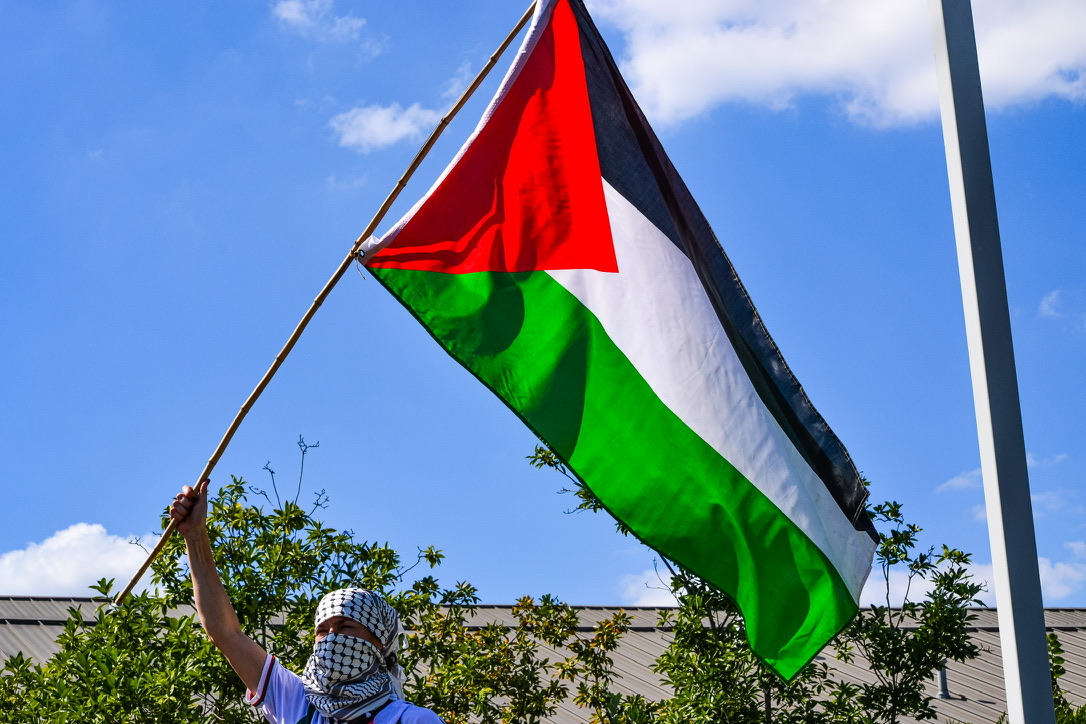
When I was a kid, journalism was painted as one of the most respectable paths you could take. My mom and grandpa both worked in it. My teachers called reporters the “guardians of truth,” people who exposed corruption and defended democracy. It was supposed to be a safe, steady career — a profession built on integrity.
But in 2025, that story feels shattered. Journalism is no longer safe. In Gaza, it has become a death sentence. Reporters aren’t “caught in the crossfire.” They are the crosshairs.
The Silenced Truth-Tellers
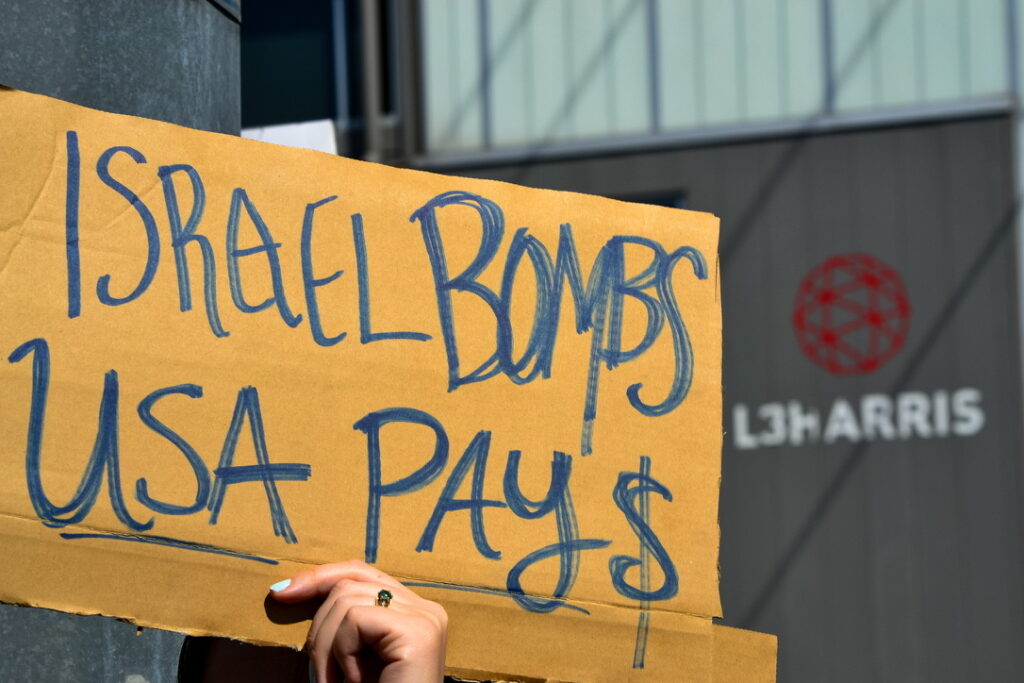
Two years into Israel’s war on Gaza, the killing of journalists has become routine — so frequent that the world barely pauses anymore. Each headline blurs into the next: another photojournalist, another press vest, another name added to the growing list.
On August 10, 2025, Anas al-Sharif, an Al Jazeera journalist, was killed in an Israeli airstrike. He had predicted it. In his final posts, he wrote that his work had made him a target — and yet, he refused to stop documenting. His last videos carried that eerie mix of urgency and resignation: a man who knew his truth-telling could get him killed, but who chose to keep speaking anyway.
Just two weeks later, an Israeli airstrike hit Nasser Hospital, Gaza’s largest. Among the dead were five journalists. A hospital should be the safest place imaginable — a sanctuary of healing. Striking one, and killing reporters inside, is an unmistakable message: no witnesses allowed.
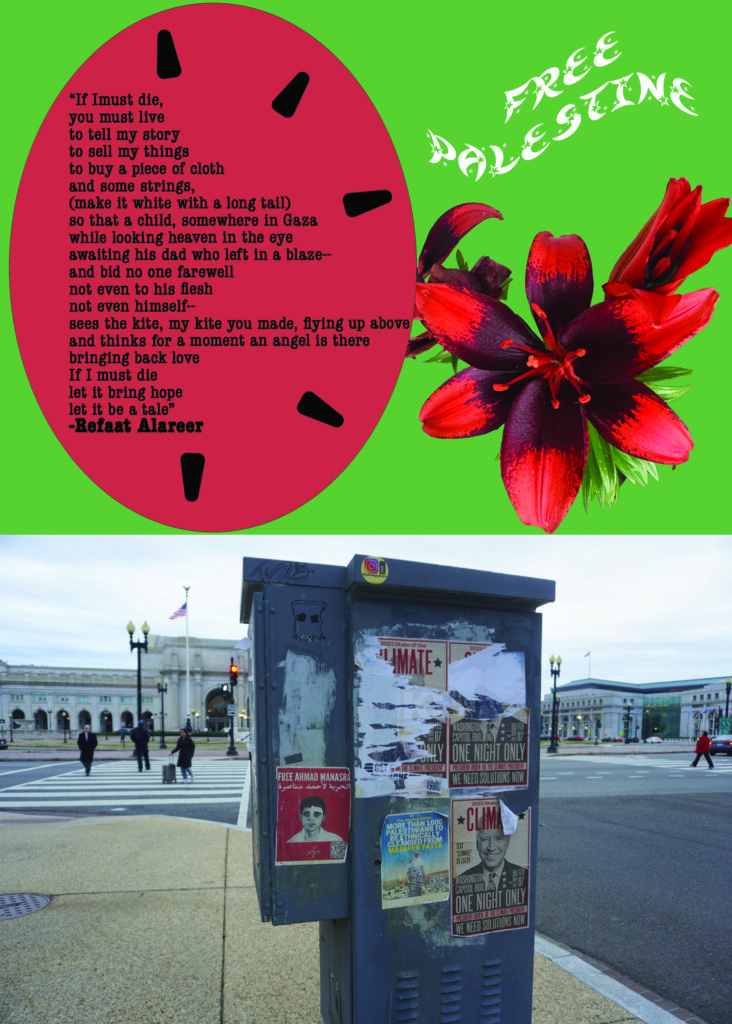
And we can’t forget Refaat Alareer, the poet, professor, and journalist assassinated in December 2023. His poem If I Must Die became an anthem, carried like scripture across Gaza and the diaspora. “If I must die,” he wrote, “you must live to tell my story.” That was his final act of resistance — instructing us to carry the truth when he no longer could.
Journalists, poets, teachers. Gaza has turned them into prophets of their own deaths.
Journalism as a Target
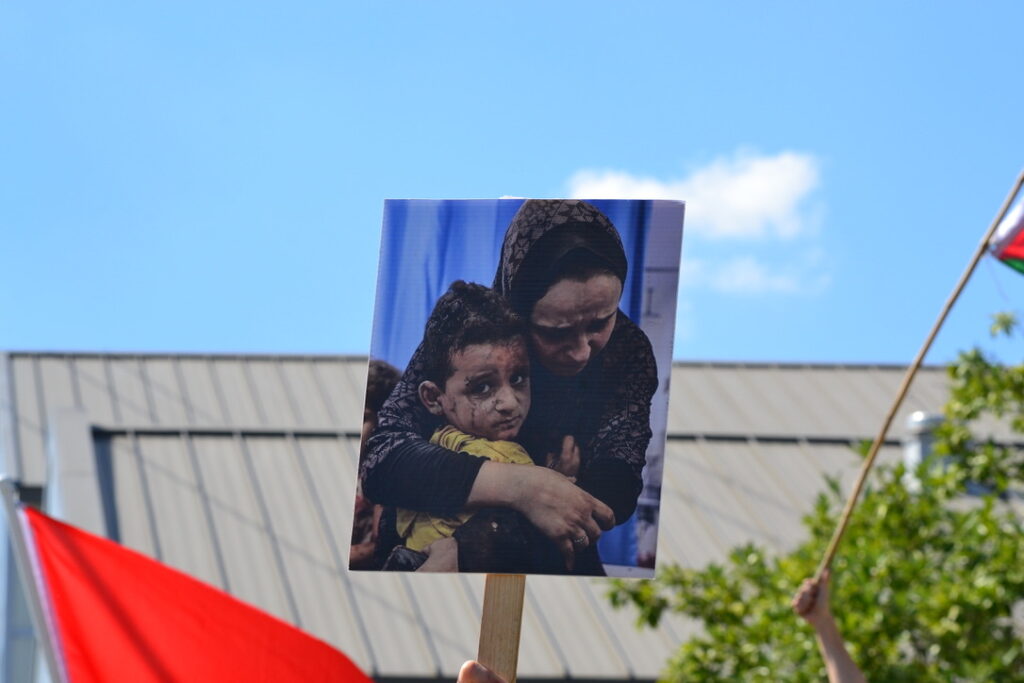
By early 2025, Gaza had become one of the deadliest places in modern history for journalists. These deaths aren’t random, and they aren’t “tragic mistakes.” They are part of a deliberate strategy of erasure.
Cameras and notebooks are treated as threats — because they are. They capture what power wants hidden: starving children, bombed schools, and the slow machinery of occupation grinding down a trapped population.
The Committee to Protect Journalists calls it “unprecedented.” Israel has killed more reporters in Gaza than were killed worldwide in any recent year. Yet Western governments continue sending weapons and shielding Israel from accountability. The message is chillingly clear: killing journalists is permissible, as long as the story being buried serves the right interests.
And it’s not just the bombs. When U.S. corporations fire or sue workers over pro-Palestine posts, when politicians scream “fake news” at every uncomfortable headline, when tech platforms shadow-ban Palestinian journalists — it’s all part of the same system. A global campaign to control the narrative. To silence the story before it can even be told.
From Integrity to “Fake News”
When I was a kid, journalism was synonymous with truth. Now, the loudest voices call every inconvenient fact “fake news.”
We live in a world of algorithmic noise — where disinformation spreads faster than facts and propaganda outpaces empathy. I see it every day in how people talk about Gaza. Entire neighborhoods can be flattened, families annihilated, hospitals destroyed — and still, people ask for “proof.” Still, the burden of credibility falls on the victims.
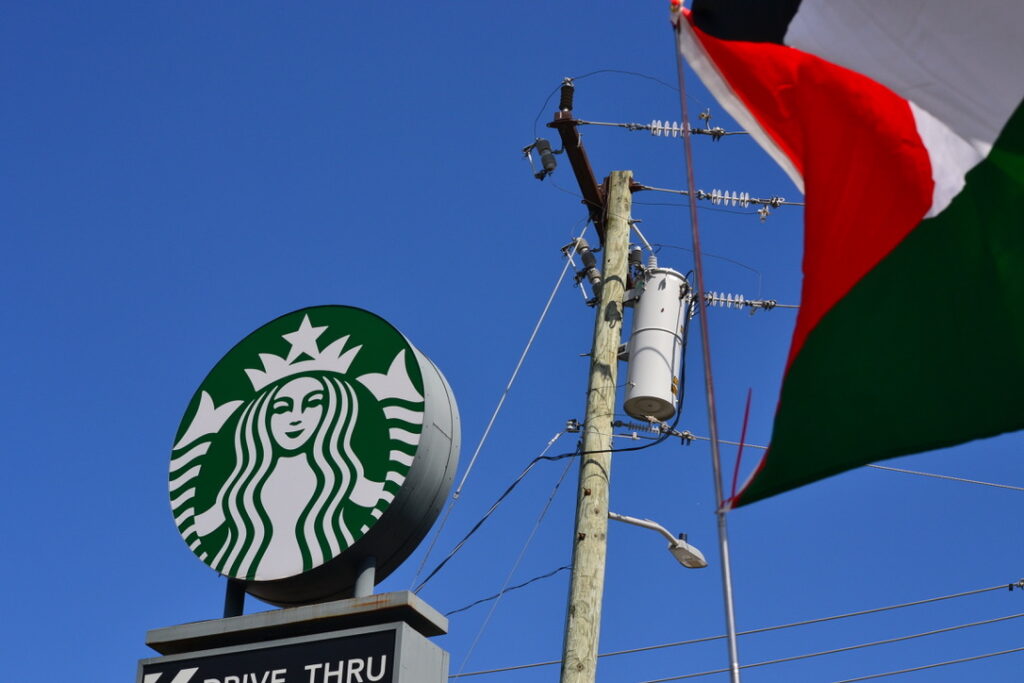
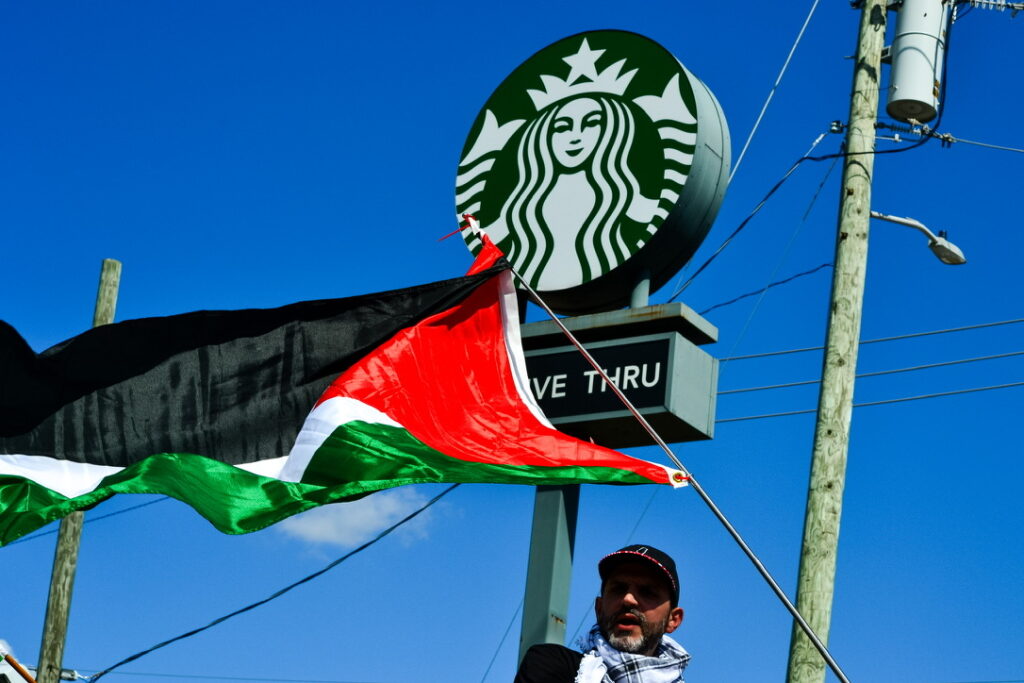
Even here in the U.S., the rot has spread into every institution that once claimed moral ground. Starbucks, the company I work for, once marketed itself as progressive — posting about racial justice, women’s rights, and LGBTQ+ inclusion. But the minute its workers spoke out for Palestine, Starbucks sued the union for “trademark infringement.” Translation: we don’t own your labor or your conscience, but we’ll try anyway.
That hypocrisy cuts deep. I clock in wearing the green apron knowing corporate “justice” has boundaries — and Palestinian lives don’t make the cut.
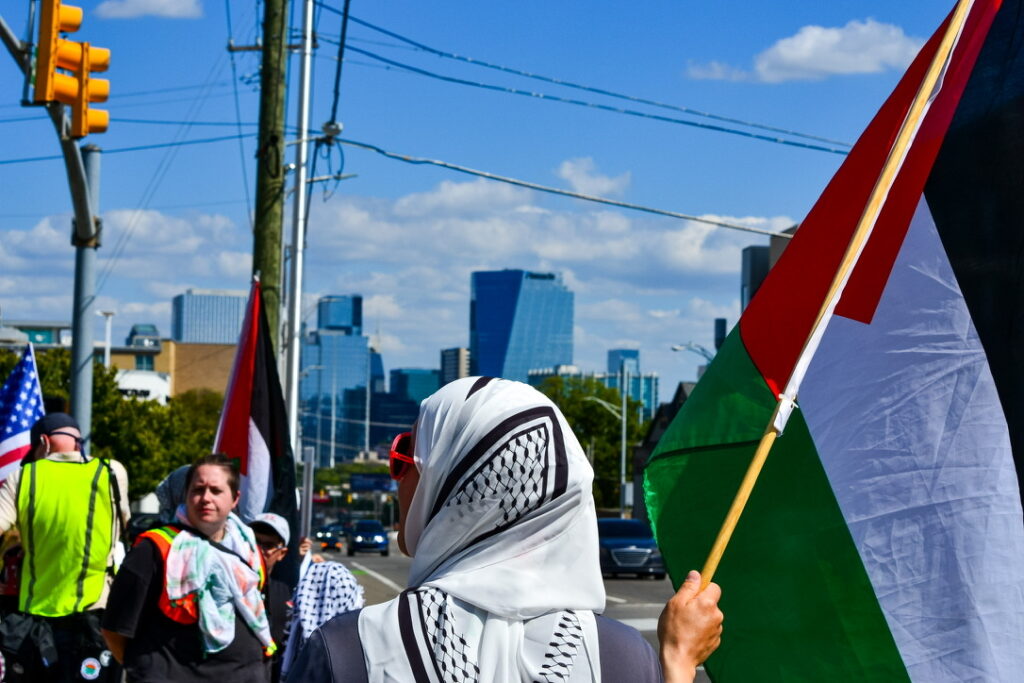
“Civil War” and the Fiction of Safety
When A24’s film Civil War came out last year, it hit me harder than I expected. It follows a group of American journalists navigating a country collapsing into chaos. They document atrocities, dodge bullets, and cling to the ideal that their work still matters. The film ends with the haunting reminder that truth-telling can be as heroic as it is fatal.
But what struck me most wasn’t the danger — it was the luxury of fiction. For the journalists in Civil War, danger is dramatized, stylized, cinematic. For journalists in Gaza, it’s daily life.
When I watch the movie’s final scenes now — journalists running through crossfire to record history — I can’t help thinking of Anas al-Sharif, or the five killed at Nasser Hospital. The film asked what would happen if American journalists became targets in a conflict zone. Gaza answers: they already are.
In the film, the story ends with the photograph — the captured moment, the preserved truth. In Gaza, the story ends with crushed cameras, silenced voices, and hashtags replacing headlines. The fiction ends with credits; the real story ends with rubble.
Why Gaza Matters for Journalism Everywhere
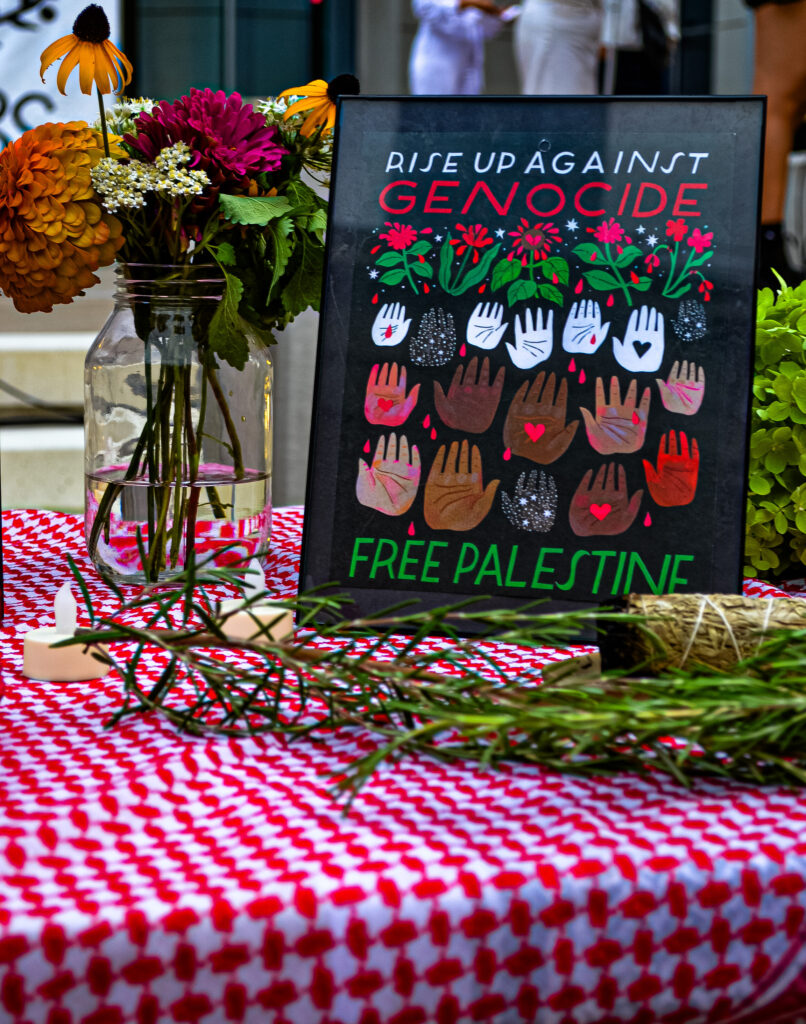
The targeting of Gaza’s journalists isn’t just a Palestinian tragedy — it’s a global test for the future of journalism itself.
If reporters can be killed with impunity — if “PRESS” written in bold on a vest becomes a bullseye — what message does that send to every truth-teller in the world? That truth is expendable. That bearing witness is now a crime.
Every murdered journalist chips away at the fragile promise that information can protect us. And every government that stays silent is complicit in rewriting that promise into a threat.
Still, amid the horror, Gaza’s journalists keep filming, keep writing, keep documenting. Their defiance is staggering. They’ve redefined what integrity looks like — not as neutrality, but as sacrifice.
They remind us that journalism was never supposed to be safe. It was supposed to be honest.
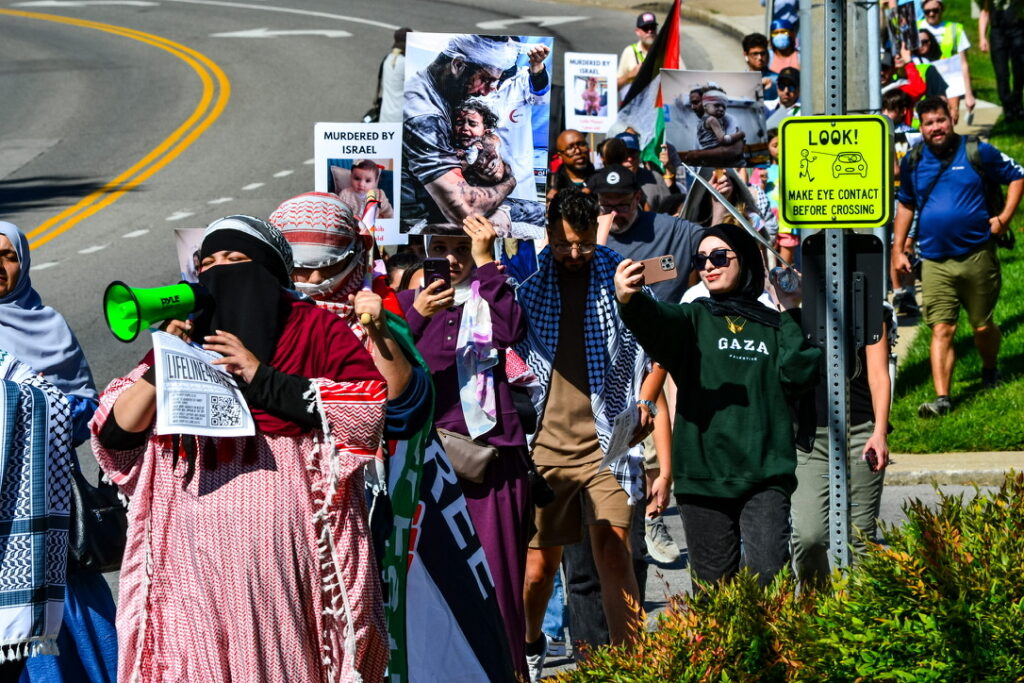
Two Years In: The Silence of Those Who Should Know Better
Two years in, I’ve lost count of how many vigils, protests, and memorials I’ve seen — each one holding names that shouldn’t need remembering yet. What haunts me most is the silence from people who once claimed to believe in human rights, press freedom, or moral clarity.
Universities that once taught me about “ethics in journalism” now ban the word Palestine from campus flyers. Newsrooms that once idolized war correspondents now punish reporters for expressing solidarity. Politicians who post “Free Press” tributes every World Press Freedom Day remain mute while Israel kills hundreds of journalists.
This silence isn’t neutral. It’s a permission slip.
The Working-Class South and the Weight of Silence
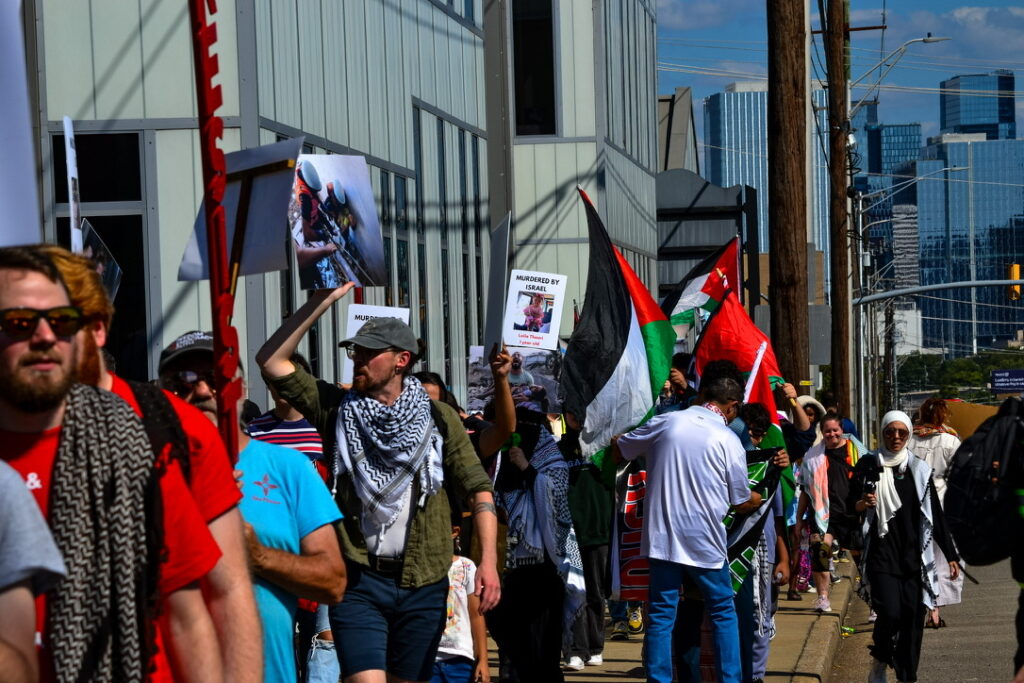
I’m not a war correspondent. I’m a barista in Nashville trying to make rent. But I grew up in a South where post-9/11 paranoia turned neighbors into informants and “Muslim” became shorthand for “enemy.” I remember how teachers whispered about “terrorists,” how churches held “support the troops” rallies that erased every Iraqi and Afghan life. That was my first lesson in narrative control: what stories are told, and whose deaths are considered worth mourning.
For years, silence felt safer than solidarity. It still does sometimes. But silence is how erasure thrives.
Every time I see another journalist killed, I think about the weight of our small silences — the ways we avoid conflict at the cost of truth. For Gazan journalists, truth costs them their lives. For me, it might cost me comfort, or my job, or the approval of people who would rather not think about Palestine at all. But if we can’t risk anything for truth, then we’ve already accepted the lie.
Journalism, Labor, and Moral Clarity
Working in a corporate chain has shown me how language gets sanitized. Starbucks calls us “partners,” but partners don’t get sued for solidarity. The same corporate PR that wraps itself in progressive branding is often complicit in global silence — suppressing speech, punishing dissent, and watering down every moral stance that can’t be monetized.
It’s the same logic that erases journalists: control the story, and you control perception. Whether it’s a barista or a war reporter, those who speak against power become liabilities.
This is why the struggle for Palestinian freedom and the fight for workers’ rights feel connected. Both expose the same machinery — one that demands silence and obedience, one that rewards complicity and punishes courage. Journalism at its best resists that machinery. So does organizing.
If They Must Die
Two years in, I keep returning to Refaat Alareer’s final line: “If I must die, you must live to tell my story.”
It’s more than poetry. It’s a moral assignment.
For the journalists who’ve died in Gaza — over 150 and counting — their stories cannot end with the airstrike that killed them. Each of them believed that truth was worth dying for. The least we can do is believe it’s worth living for.
When I write, or march, or speak, I think about them. About the professors, poets, and reporters who turned truth into a final act of defiance. And I think about what it means to carry that forward from my small corner in Tennessee — where speaking up for Palestine still feels like a risk, but silence feels worse.
Because if Gaza’s journalists can keep risking everything to show us the truth, then I can risk being uncomfortable. I can risk being loud. I can risk being called radical for refusing to look away.
If they must die, then we must live — not just to tell their story, but to keep the kite in the sky.
Leave a Reply