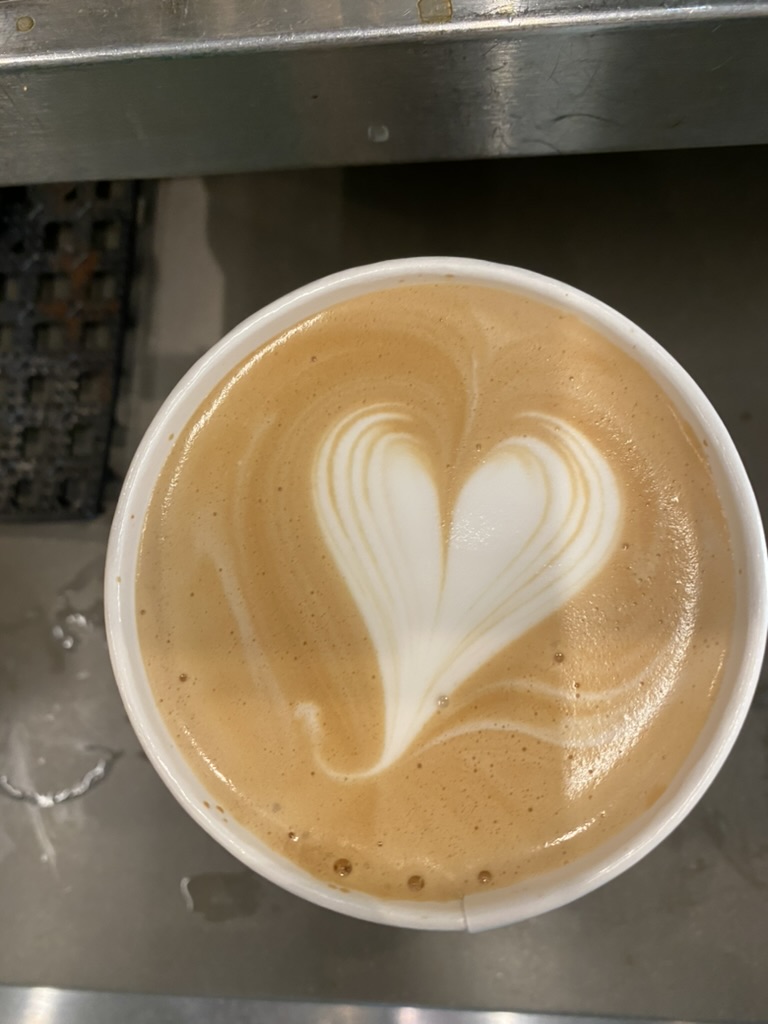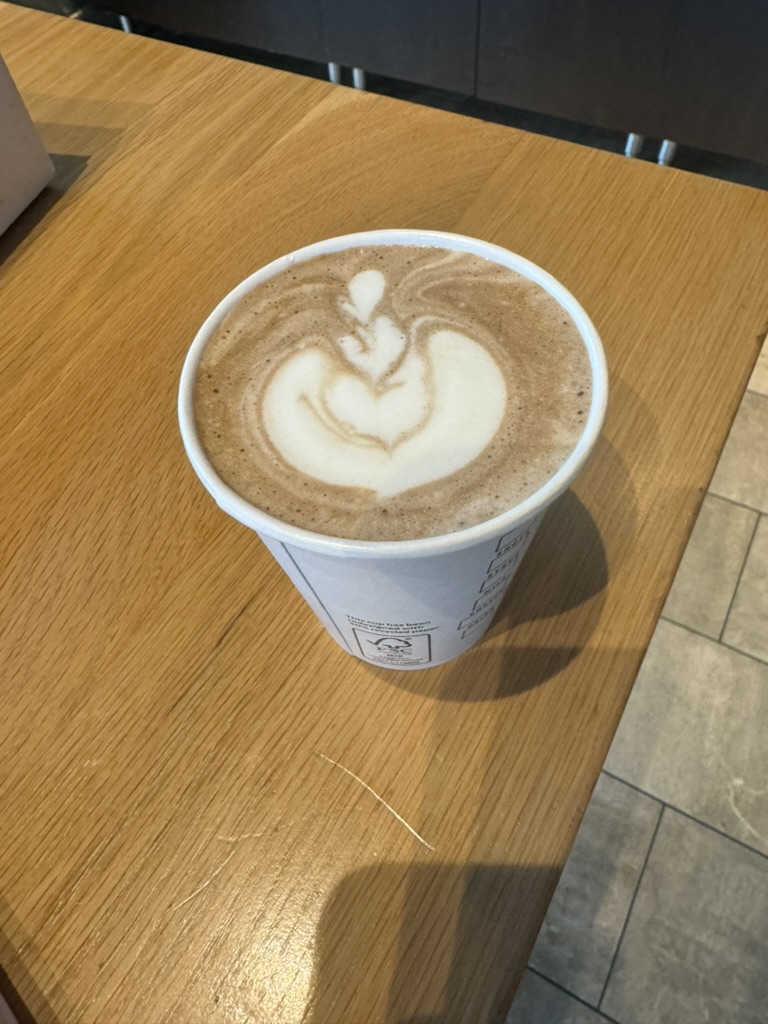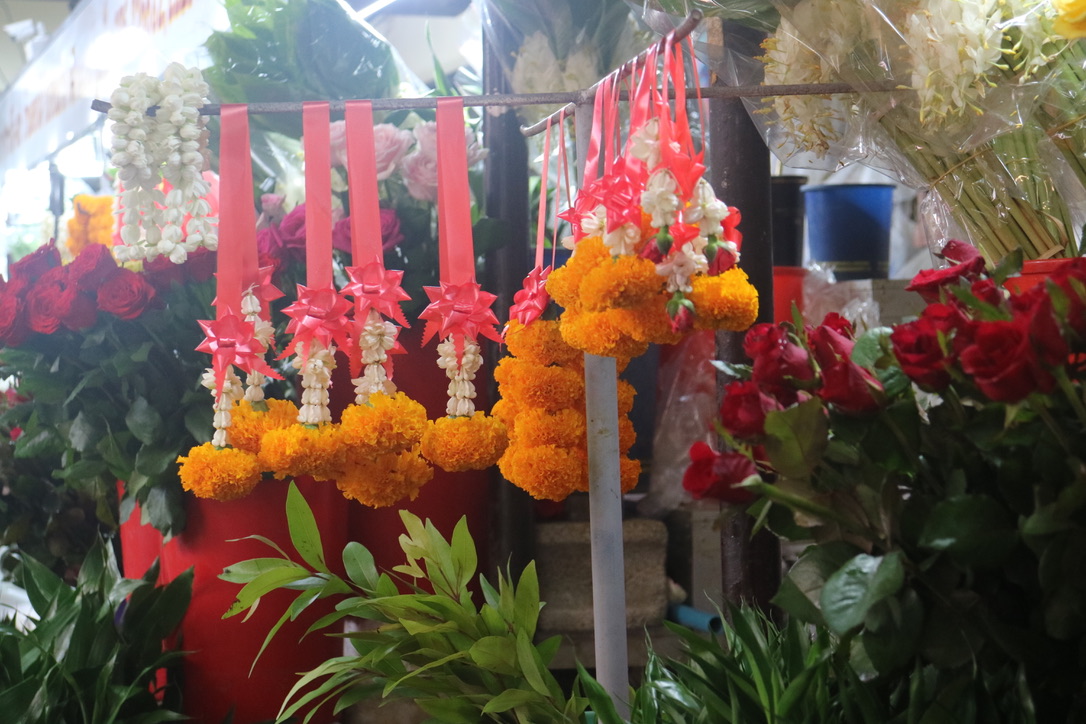
I keep looking through my camera roll. Desperately scrolling for traces of you. Combing my memories and grasping for something you left. We did so much together. I had so many memories of you. Why does it feel like there is nothing left. I panic, knowing there is something somewhere. We had so many pieces of each other. But for the last decade, I have been running from myself. From the person who knew you best. I desperately wanted you to be you. I wanted you to be free. I guess now you are. But it doesn’t feel like it. You had so much to give to this world. You gave so much to me. Why does it feel like I have nothing left of you now. I wish I could give you one last gift. Go walking in the woods over by your mom’s old house one last time. I wish we could go buy turtle necklaces at the renaissance fair again or sit in the dark at night and listen to the crickets chirp while we look at the stars. I want to hear you play bass again. I want to hear your dumb singing voice that always made me laugh. I want you to make me ramen again and then drain all the water so it’s too salty. I wanna pet Jester again. And eat Taco Bell. I wanna smell the incense in your truck and see the wizard statue in your room. Why did it have to end this way.
Category: Uncategorized
-

Keep Going
More than a year later, I think about those words you said to me.
The last words you said to me.
Over and over and over again.
Keep going.
Keep going.
Keep going.
The words echoed in my head after you said them for hours and hours.
Until my mom called to tell me the news.
The words stopped echoing in that moment.
The world froze.
Weeks went by and then I could hear them again, creeping up in the back of my mind.
Keep going.
Keep going.
Keep going.
Finally, I thought I understood what they meant.
The words, now permanently etched on my arm, were a reminder.
A reminder to keep pushing.
When it felt like I was swimming through concrete, to never let it harden around me.
Keep going.
Keep going.
Keep going.
A reminder that I need to give it a try.
A reminder that sometimes giving it a try is enough. A reminder that sometimes success feels like failure.
I made the hardest decision of my life because all I could hear were your words.
Keep going.
Keep going.
Keep going.
What I once thought was a reminder to push through,
Was actually encouragement to take life by the reins.
To take anything standing in my way and push it to the ground.
To finally live my life for me and to
Keep going.
Keep going.
Keep going.
The fear is gone now and it’s replaced with your strength.
The words you said to me have manifested into much more than I ever knew possible.
I see your beauty in everything and I can hear you telling me you’re proud.
I can hear you reminding me that enough was never enough for me.
Reminding me of the insatiable hunger deep down.
I can hear you telling me to
Keep going.
Keep going.
Keep going.
I couldn’t see at first, but now I see.
The life you envisioned for me.
I wanted you to be here for it.
But I look around and I see that you are with me.
And I will
Keep going.
Keep going.
Keep going.

-
When Photos Stop Being Proof
We used to say “pics or it didn’t happen.”
That logic doesn’t really hold up anymore.AI image editing tools (especially ones built directly into our phones) have changed what a photo actually means. Tools like Google’s Magic Eraser make it possible to remove people, objects, and entire parts of a scene in seconds, with almost no trace that anything was changed.
This post is for people like me – people who are online all the time, scrolling Instagram, TikTok, or X, seeing hundreds of images a day and not thinking twice about most of them. I’m not writing this for tech experts. I’m writing for people who know the internet can be fake, but still instinctively treat images like evidence.
For a lot of folks, our ability to detect misinformation is not what we think it is.
What Magic Eraser Actually Does
Magic Eraser is designed to “clean up” photos. You highlight something in the background such as a person, a trash can, a sign – and the tool removes it and fills in the space using AI.
It sounds harmless. And most of the time, it is.
But the important part isn’t why people use it. It’s what it allows.
Figure 1: Subjects removed from the background using AI editing. The image still looks natural, but the reality of the moment has changed.
Once something is removed, the image still looks real. There’s no obvious glitch, no warning label, no sign that anything was altered. Since I created the original photo, it’s honestly disturbing how quickly the meaning behind an image can be changed.
This Isn’t Just “Editing” Anymore
We’ve always edited photos. Filters, cropping, lighting – none of that is new.
What’s different now is that editing can change the meaning of an image, not just how it looks.
Imagine a photo from a protest:
- Remove police → it looks peaceful
- Remove counterprotesters → it looks unified
- Remove damage → it looks calm and controlled
The image still comes from a real moment. But the story it tells is different.
That’s what makes this kind of misinformation harder to catch. It’s not always fake in an obvious way. It’s incomplete.
And incomplete information spreads just as easily as false information. In fact sometimes it spreads even more easily, because it feels believable.
Why This Matters (Even If You’re Not “Into Misinformation”)
Most people aren’t trying to mislead anyone. They’re editing vacation photos, deleting photobombers, cleaning up backgrounds.
But once a tool exists, it doesn’t stay in one context. Pandora’s box has been opened.
We already know that false information spreads fast online. Research from the Massachusetts Institute of Technology found that false news spreads faster and farther than true news on platforms like Twitter. That’s not because people are gullible or “dumb.” It’s because the content is often more emotionally engaging.
Now add visuals to that and images feel more trustworthy than text. If a misleading claim comes with a photo, people are more likely to believe it, share it, and move on without questioning it.
The more normal AI editing becomes, the less people question what they’re seeing. For instance, when I scroll through my instagram feed there is a section of AI content that comes up as an advertisement to use meta’s new AI content creation app. You can even see which of the people you follow use it. (shame them, boo!)
How This Gets Normalized
Part of the reason this shift matters is because of how these tools are being introduced. When companies like Google promote features like Magic Eraser, they frame them as fun, casual, everyday tools. Their 2023 Super Bowl ad literally showed people erasing awkward or unwanted moments from photos and moving on.
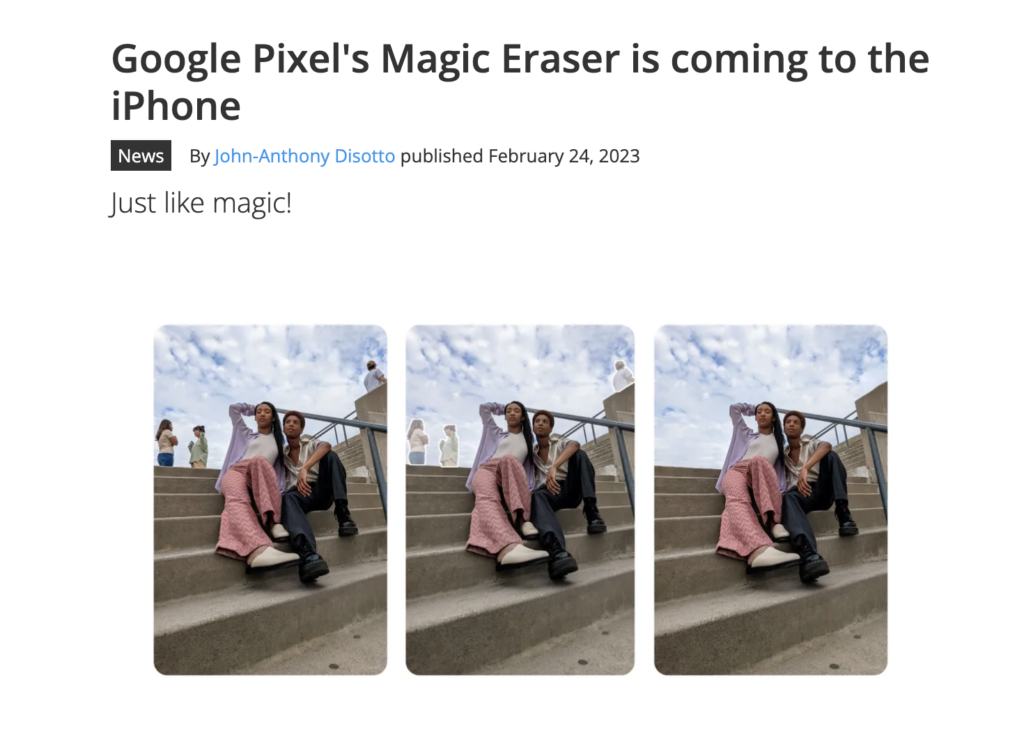
Figure 2: AI editing tools are marketed as normal, everyday features instead of something that could reshape how we interpret reality.
We Got This: How to Not Get Played by Edited Images
This isn’t about panicking or assuming everything is fake. That just creates more confusion.
The goal is about using dialectical thinking to find an in-between: skeptical calmness.
You don’t need to fact-check everything. But you do need to slow down.
Here’s a simple way to do that:
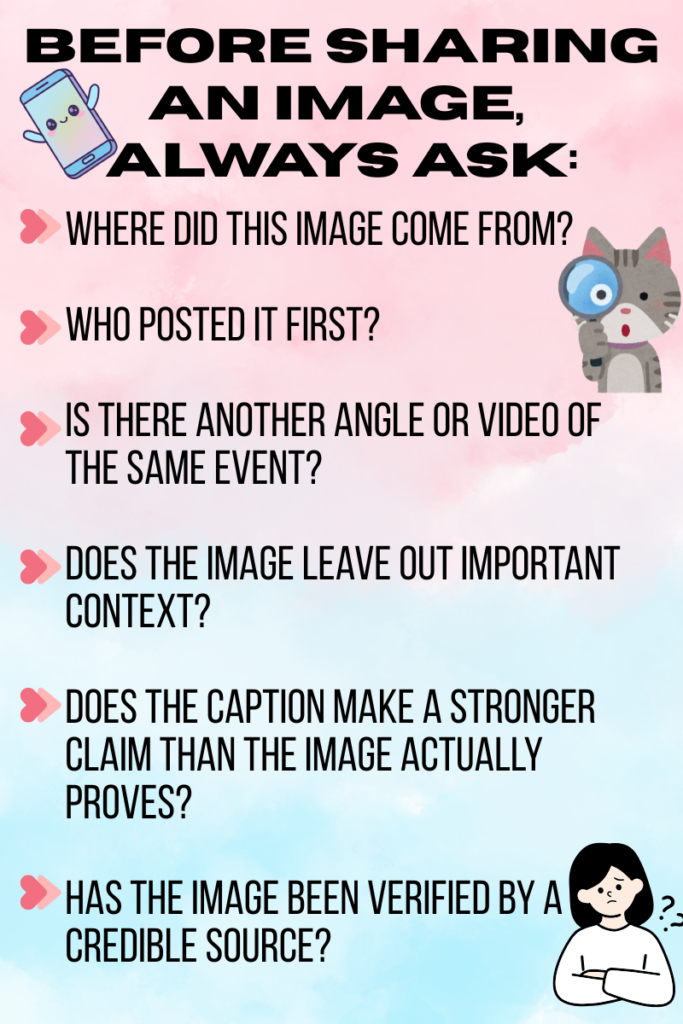
Infographic created by Lindy Drolsum 
Figure 3: Cropping or removing context can completely change how an image is interpreted.
These questions don’t take long. But they interrupt the automatic reaction most platforms are designed to trigger.
The Bigger Picture: Tech Is Changing Faster Than Our HabitsThere are efforts to make images more transparent. Organizations like the Content Authenticity Initiative are working on systems that show how an image was created or edited.
That helps. But it’s not a full solution.
Not every image will have credentials. Not every platform will display them clearly. And not every user will check.
Which means the responsibility doesn’t just sit with tech companies that don’t have an incentive to stop misinformation. It’s also on the people using the platforms.
So What Do We Do With That?
Images aren’t useless now. They still matter. They still document real things.
But they’re no longer automatic proof.
That’s the shift.
You don’t need to stop trusting everything. But you do need to stop trusting instantly.
When you see an image that confirms exactly what you already believe, pause.
When something feels shocking or perfectly framed, pause.
When a post makes you want to react immediately, pause.Because in a media environment where reality can be edited in seconds, your attention is the thing being targeted.
Slowing down is how you take that back.
-
Who’s Actually Stopping Misinformation? A Look at TikTok vs. X
It’s easy to say social media spreads misinformation. That part isn’t new, and at this point, most people already know it. What’s more complicated is what these platforms are doing about it and if any of their “intervention” is working.
Every major platform claims they’re trying to reduce harm. They have policies, partnerships, and public statements about safety. But when you actually look at how these systems function, it becomes clear that a lot of it is shaped less by truth and more by how these platforms are designed to keep people engaged.
Looking at TikTok and X (formerly Twitter), you can see two very different approaches to misinformation, along with how both of them still fall short.
TikTok: Moderation, Labels, and Algorithmic Amplification
TikTok presents itself as a platform that takes misinformation seriously. It relies heavily on a mix of automated systems and human moderators to identify and remove harmful content. The platform also works with third-party fact-checkers and labels videos that contain misleading or unverified information. According to TikTok’s safety resources, they remove content that could cause harm and limit the spread of videos that can’t be verified but may still be misleading.
On the surface, this sounds like a strong system. And in some cases, it does work. During major events like elections or public health crises, TikTok has made visible efforts to label or remove misinformation. But even with those systems in place, misleading content still spreads quickly.
Part of the issue is how the platform itself is designed. TikTok’s algorithm prioritizes engagement (what people watch, like, and share) over accuracy. That means content that is emotional, shocking, or highly opinionated is more likely to be pushed to larger audiences. Even if misinformation eventually gets labeled or removed, it often reaches thousands or millions of people first.
I’ve seen this firsthand. Videos with strong claims or dramatic framing tend to spread much faster than more balanced or factual content. And once something starts circulating, the correction rarely travels as far as the original post. That gap between what goes viral and what gets corrected is where misinformation really takes hold.
X: Community Notes and the Limits of User-Driven Moderation
X takes a noticeably different approach. Instead of relying as much on centralized moderation, the platform has shifted toward user-driven systems like Community Notes. This feature allows users to add context to posts that may be misleading, rather than removing the content entirely. The idea is that a broader range of perspectives can help clarify what’s accurate and what isn’t.
There’s something appealing about this model. In theory, it gives users more power and avoids concerns about censorship. But in practice, it creates its own set of problems.
Community Notes depend on users agreeing on what context is needed before a note becomes visible. That process can take time, especially on fast-moving posts. In the meantime, misinformation can continue spreading without any added context. And even when notes are added, there’s no guarantee people will actually read or trust them.
At the same time, X has reduced parts of its trust and safety infrastructure in recent years. Reporting has shown that major platforms, including X, have scaled back some moderation efforts, which raises questions about how effectively misinformation is being addressed overall.
Comparing the Approaches: Different Systems, Same Problem
When you compare these two platforms, what stands out is that neither approach fully solves the problem. TikTok relies more on moderation and removal, while X relies more on user correction. But both systems exist within platforms that are fundamentally built to maximize engagement.
That’s the part that often gets overlooked. Misinformation isn’t just about individual posts — it’s about the environment those posts exist in. When platforms are designed to reward attention, content that provokes strong reactions will always have an advantage, regardless of whether it’s accurate.
Even when platforms take steps to address misinformation, those steps are often reactive instead of preventative. Content spreads first, and then it’s labeled, corrected, or debated after the fact. By that point, the damage is often already done.
Do These Policies Actually Work?
Based on both research and personal observation, the answer is: partially, but not enough.
TikTok’s moderation system can remove harmful content, but it often happens after that content has already reached large audiences. X’s Community Notes can add useful context, but the delay and reliance on user agreement limit its effectiveness.
Both systems address misinformation, but neither fundamentally changes how misinformation spreads.
What’s Missing and How Platforms Could Improve
If these platforms actually want to make a meaningful impact, there are a few areas that need improvement.
Transparency is a major issue. Most users don’t fully understand how content is selected and promoted. Making algorithms more transparent (or at least more understandable) would help people better evaluate what they’re seeing.
Speed is another problem. Misinformation moves quickly, especially on platforms built around viral content. Systems that rely on slow moderation or delayed user input will always struggle to keep up. Faster responses, particularly for rapidly spreading content, could make a real difference.
Finally, there’s the question of responsibility. Right now, a lot of the burden is placed on users to determine what’s true. While media literacy is important, platforms still play a major role in shaping what people see. That responsibility can’t be fully outsourced to the public.
Conclusion: A Systems Problem, Not Just a Content Problem
At the end of the day, misinformation isn’t just a content problem — it’s a systems problem. TikTok and X may use different strategies, but both are operating within structures that reward visibility over accuracy.
Until that changes, misinformation isn’t going anywhere. It’s just going to keep adapting to whatever systems are put in place to stop it.
-
That Iran Tanker Video? Here’s How I Knew Something Was Off
Lately, I’ve been seeing a lot of posts about the war on Iran—especially videos claiming to show major escalations. One that stood out to me was a video circulating online that supposedly showed:
Iran seizing a U.S. oil tanker in the Strait of Hormuz.
At first glance, it looked real. The video had military visuals, urgency, and people in the comments treating it like breaking news. But something about it felt off—so I decided to actually verify it.
Step 1: Identify Why the Claim Feels Suspicious
The biggest red flags:
- The post said “BREAKING” but didn’t link to any news source
- No major outlet was being referenced
- The video looked slightly grainy—like it might not be recent
Also, this is a huge geopolitical event. If Iran actually seized a U.S. tanker, that would be everywhere.
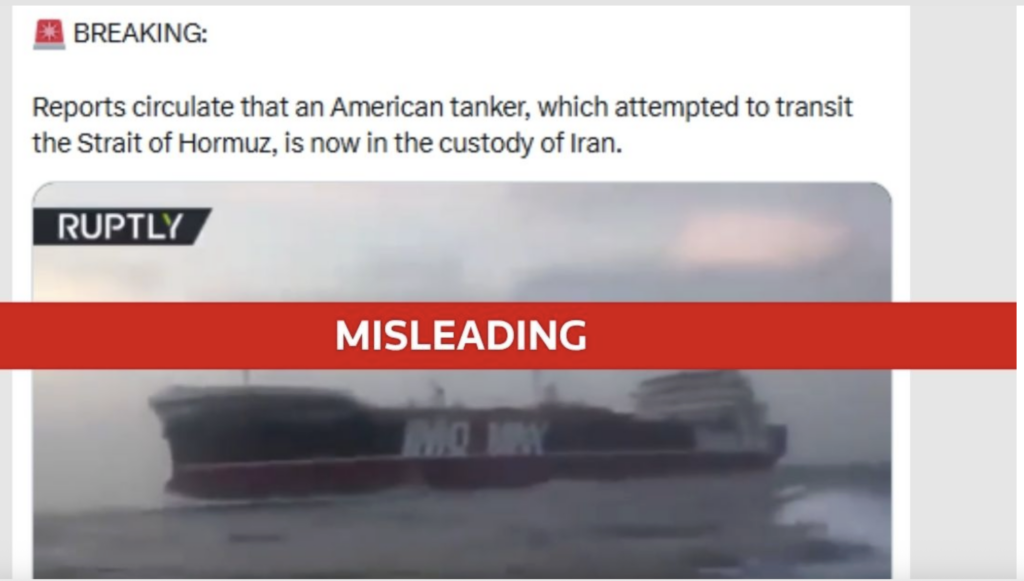
Original viral video claiming Iran seized a U.S. tanker Step 2: Leave the Post (Don’t Stay in the Bubble)
Instead of reading the comments or trusting the post, I opened a new tab and searched:
“Iran seized US tanker Strait of Hormuz March 2026”
This is part of lateral reading—basically, don’t rely on the post itself. Go find outside verification.
Step 3: Look for Credible Reporting
I immediately looked for sources like Reuters or major news outlets. Reuters is considered a highly credible source because it follows strict editorial standards and fact-checking processes, which makes it a reliable place to verify claims like this.
What I found instead was this.
Reuters found:
- No credible reports of a U.S. tanker being seized
- The video was actually from 2019, showing a British tanker
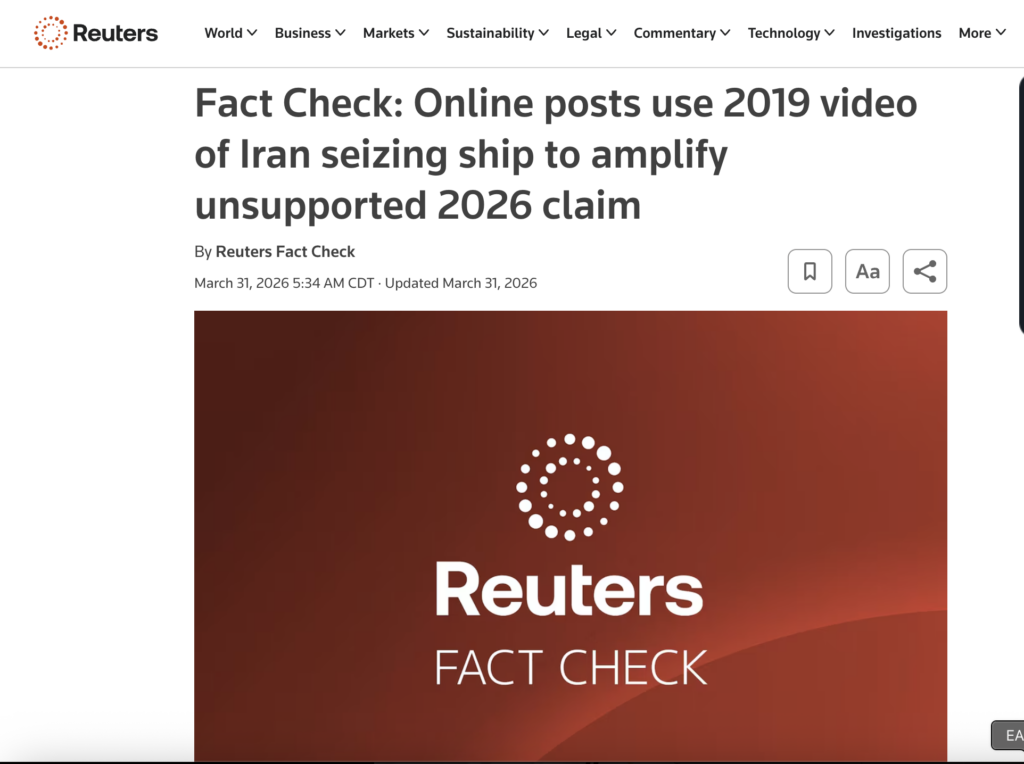
Reuters fact-check article showing the video is from 2019 and does not depict a U.S. tanker. Step 4: Check a Fact-Checking Source
Next, I checked RumorGuard, which is designed specifically for breaking down viral misinformation.
They confirmed:
- The video was old footage being recirculated
- It was being falsely labeled as a current event
- This is a classic example of “false context” misinformation
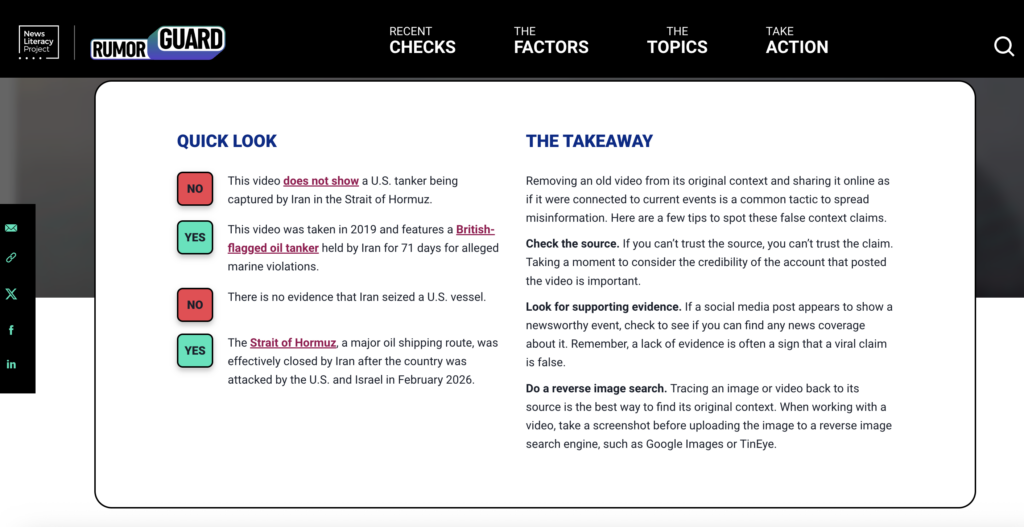
RumorGuard analysis identifying the video as an example of misinformation through false context. Step 5: Cross-Check With Another Source
To make sure this wasn’t just one outlet, I looked for additional verification.
This analysis found:
- The video was being misrepresented online
- It actually showed a different ship entirely
- The claim being shared was false or misleading
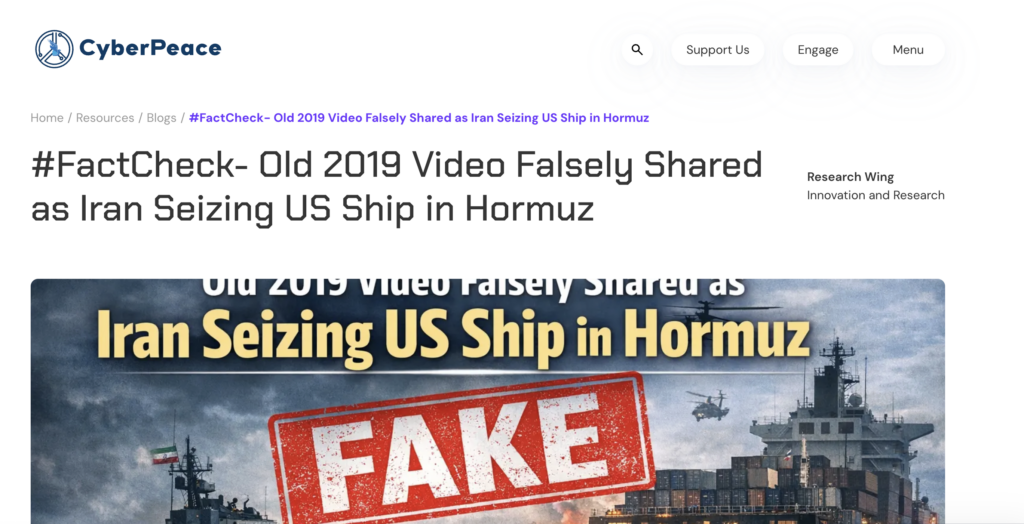
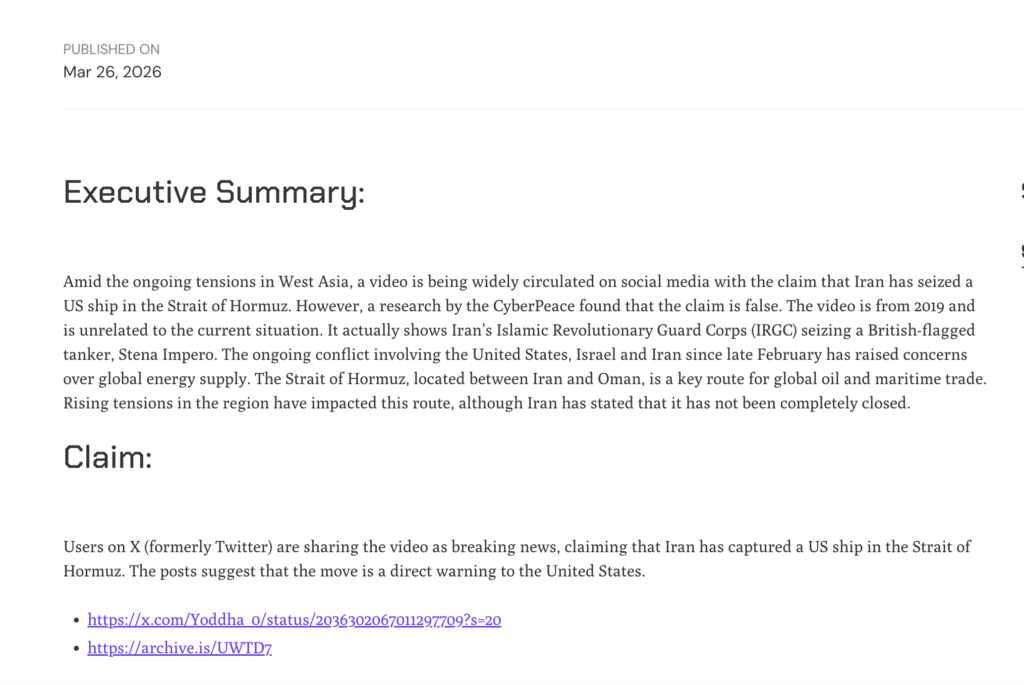
Cyberpeace confirming the video was misrepresented and taken out of context. Step 6: Understand the Pattern
At this point, it wasn’t just about one video. I started noticing a pattern:
- Old footage gets recycled
- It’s relabeled as something current
- It spreads quickly during moments of political tension
Even the News Literacy Project warns that sharing old videos out of context is a common misinformation tactic
This is exactly what was happening here.
What stood out to me is how effective this kind of misinformation is. It takes something that could be real—ongoing tensions with Iran—and pairs it with visuals that feel urgent. That combination makes people more likely to believe it without questioning it.
Final Assessment
The claim that Iran seized a U.S. tanker (based on that viral video) is false or misleading.
Not only is there:
- No credible reporting supporting it
- But the video itself is years old and taken out of context
What makes this kind of misinformation dangerous is how believable it looks. It plays into real-world fears and ongoing conflict, which makes people more likely to share it without questioning it.
Why This Process Matters
This took maybe 10 minutes. That’s it.
But in that time, I was able to:
- Avoid spreading misinformation
- Understand how the claim was constructed
- See how easily context can be manipulated
That’s the main takeaway here. You don’t need to be an expert to fact-check something—you just need to:
- Pause
- Open a new tab
- Look for real sources
- Compare information
If something feels off, it probably is. Listen to your gut.
What this really showed me is that misinformation doesn’t have to be completely fake to work. It just has to be believable enough, especially when people are already anxious or paying attention to a conflict. That’s why this kind of content spreads so fast—it fills in gaps before verified information catches up.
That’s what makes media literacy feel less like a school assignment and more like something necessary. Because if you don’t take a few minutes to check something, you’re not just consuming misinformation—you’re helping spread it.
- The post said “BREAKING” but didn’t link to any news source
-

Can You Teach People Not to Fall for Misinformation?
Can You Teach People Not to Fall for Misinformation?
Misinformation is everywhere, but what’s more concerning is how easily it spreads—and how intentional that process can be. A lot of organizations are trying to address this by teaching people how to recognize misinformation, but not all tools do this equally well. To explore this, I used the News Literacy Project’s RumorGuard and played the game Fake It to Make It. Together, they show two very different—but complementary—approaches to understanding misinformation.
RumorGuard: breaking down a viral claim
The RumorGuard example I looked at focused on a viral video claiming that Iran had seized a U.S. oil tanker in the Strait of Hormuz. At first glance, the post looks believable—it uses dramatic language, hashtags tied to war, and what appears to be real footage of a tanker being taken.
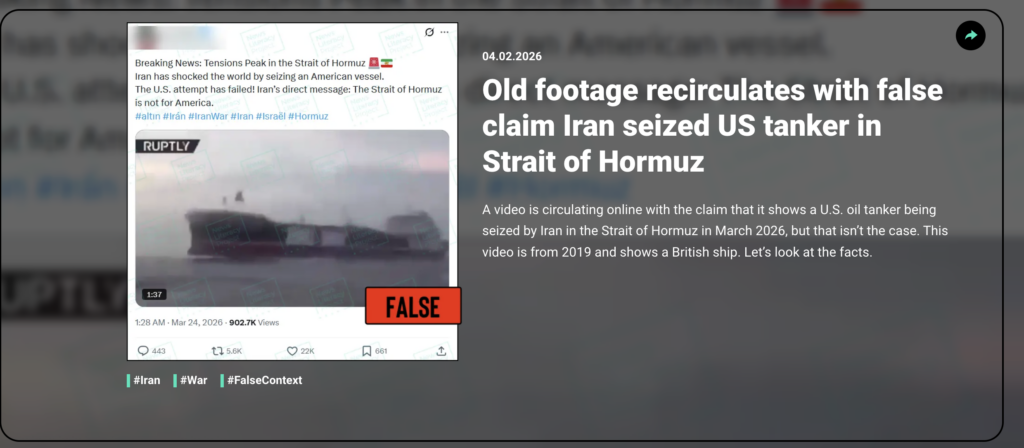
Figure 1:
Viral claim showing alleged seizure of a U.S. oil tanker, using dramatic language and real footage to appear credible.RumorGuard works by letting users browse viral claims and click into them for a full breakdown. Each post is labeled and explained using specific verification steps, so you can see exactly how the conclusion was reached.
In this case, RumorGuard labels the claim as false and explains why. The video being shared wasn’t recent—it was actually from 2019 and showed a British-flagged tanker, not a U.S. vessel. This is a clear example of false context—real footage repurposed to create a misleading narrative.
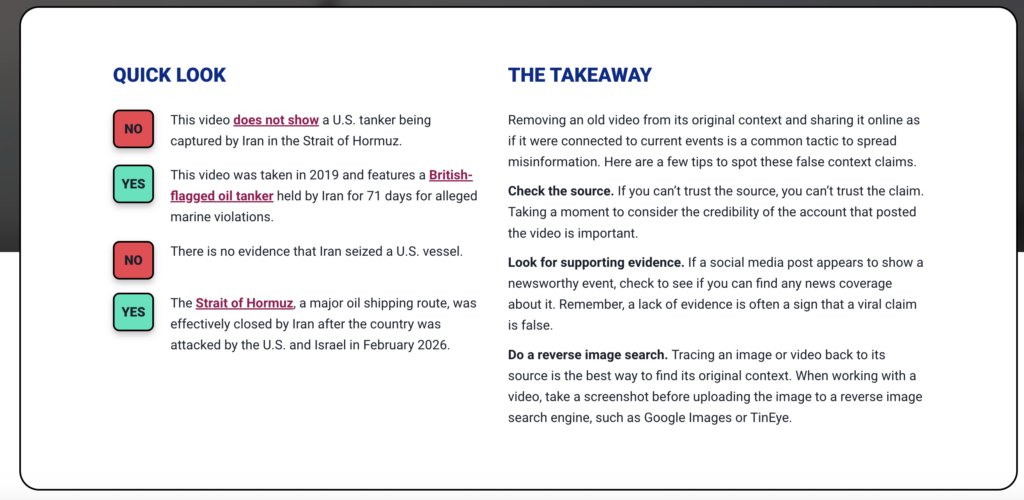
Figure 2:
RumorGuard labeling the claim as false and identifying it as an example of misleading context.What I found most useful was how RumorGuard breaks the claim down using its “five factors”: source, evidence, context, authenticity, and reasoning. The post failed multiple categories. The source wasn’t credible, there was no supporting evidence from reliable news outlets, and the context was completely misleading.
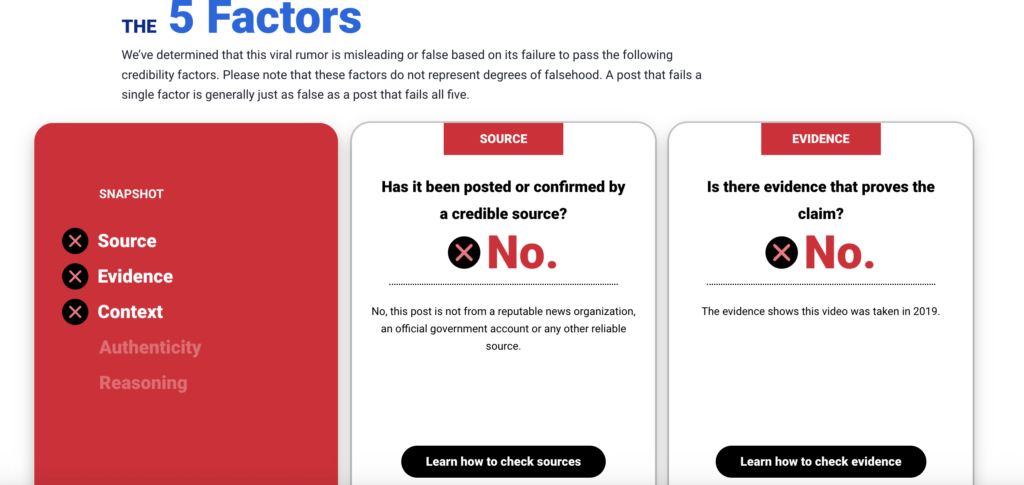
Figure 3:
Breakdown of the claim using RumorGuard’s five factors: source, evidence, context, authenticity, and reasoning.This matters because posts like this can escalate fear or political tension, especially when they’re tied to ongoing conflicts. A misleading video doesn’t just spread incorrect information—it can shape how people understand real-world events.
RumorGuard also gives practical steps for verifying content yourself, like doing a reverse image search or checking whether credible outlets are reporting the same story. That makes it feel less like you’re just being told something is false, and more like you’re learning how to figure it out on your own.
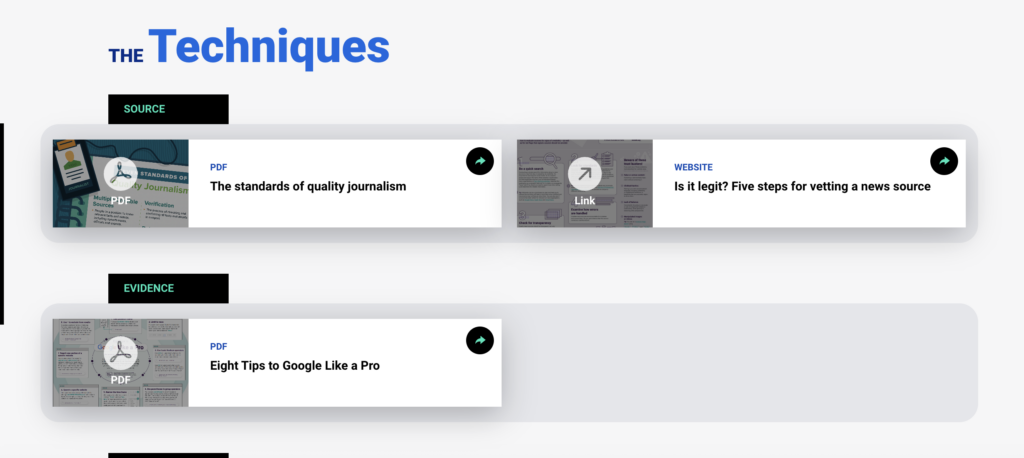
Figure 4:
Verification techniques provided by RumorGuard, including reverse image search and cross-checking with credible sources.In terms of effectiveness, RumorGuard is strong at teaching analytical thinking. It shows how misinformation isn’t always completely fabricated—sometimes it’s built from real content that’s taken out of context, which can be harder to catch. Research supports this, showing that relatively short digital media literacy interventions can improve people’s ability to distinguish between mainstream and false news.
At the same time, the tool is somewhat passive. You’re analyzing examples after the fact rather than interacting with the process in real time. It builds awareness, but it doesn’t fully show why misinformation spreads so easily in the first place.
Fake It to Make It: understanding why misinformation spreads
Fake It to Make It takes a completely different approach. Instead of identifying misinformation, you create it. The goal of the game is to run a fake news website and make money by getting clicks, shares, and engagement.
As I played, I created articles designed to go viral, including one claiming that a wealthy tech figure was secretly working with the government to undermine free speech. The game scores content based on believability and emotional appeal, and it quickly became clear that dramatic, emotionally charged stories performed better than neutral or fact-based ones.
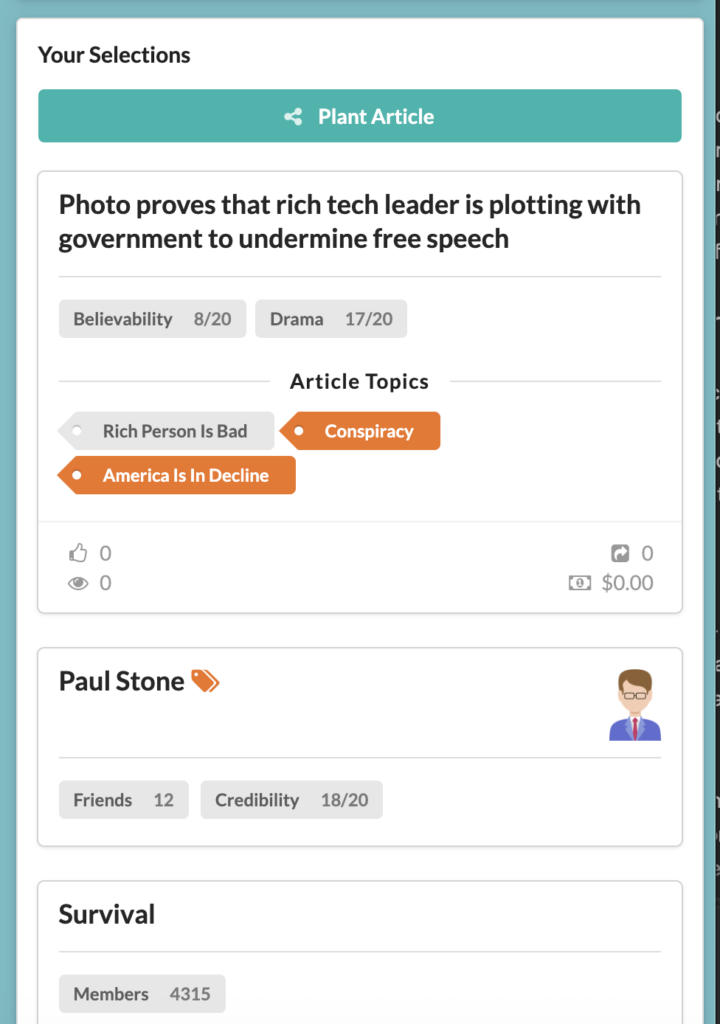
Figure 5:
Example of a fabricated article designed to maximize engagement through conspiracy framing and emotional appeal.The game also lets you target specific audiences and choose topics strategically. When I paired conspiracy-style content with the right audience, engagement increased significantly. That made it obvious that misinformation isn’t random—it’s often tailored to specific groups.
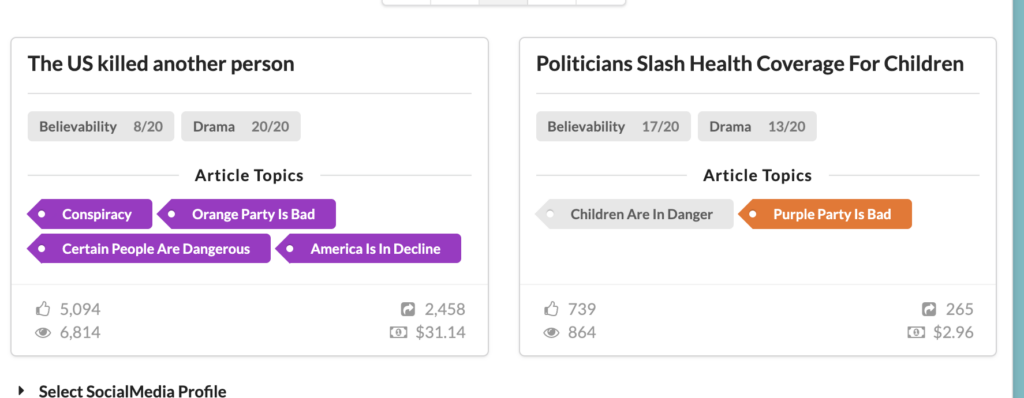
Figure 6:
Selecting topics and audiences strategically to increase reach and shares.What stood out the most was watching the site grow—more views, more shares, and even more revenue—despite the content being misleading. That made it clear that misinformation is often driven by incentives like profit and attention, not just confusion or lack of knowledge.
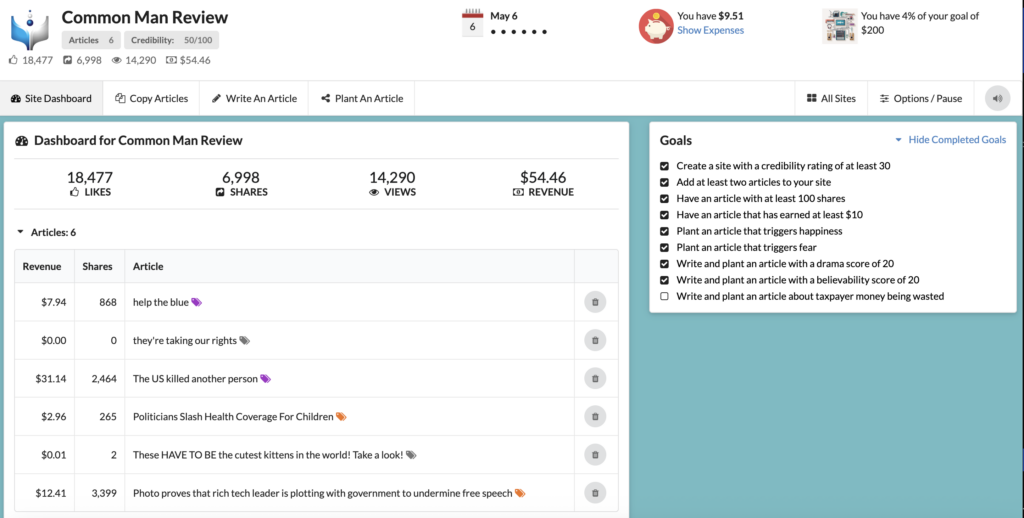
Figure 7:
Growth of the fake news site, showing increased views, shares, and revenue despite misleading content.Research backs this up. Studies have found that false and emotionally charged information spreads faster and more widely online than factual reporting. Playing the game made that dynamic feel much more real than just reading about it.
Why interactive tools matter
Together, these tools highlight two sides of misinformation. RumorGuard teaches you how to evaluate information, while Fake It to Make It shows you why misinformation spreads in the first place.
Personally, I found the game more impactful. It made it clear that misinformation isn’t just about being wrong—it’s about what captures attention. Fear, anger, and outrage consistently outperformed neutral content, which reflects how real social media systems operate.
Interactive tools like these are effective because they go beyond passive learning. Instead of just being told what misinformation looks like, you actually experience how it works. That kind of engagement is important if the goal is not just awareness, but changing how people interact with information.
At the same time, both tools simplify reality. They don’t fully capture the role of algorithms, political actors, or large-scale media systems. But as educational tools, they do something important: they make the mechanics of misinformation visible in a way that’s easier to understand.
-
24 Hours of Media (and How Much of It I Shouldn’t Trust)
Media Diary
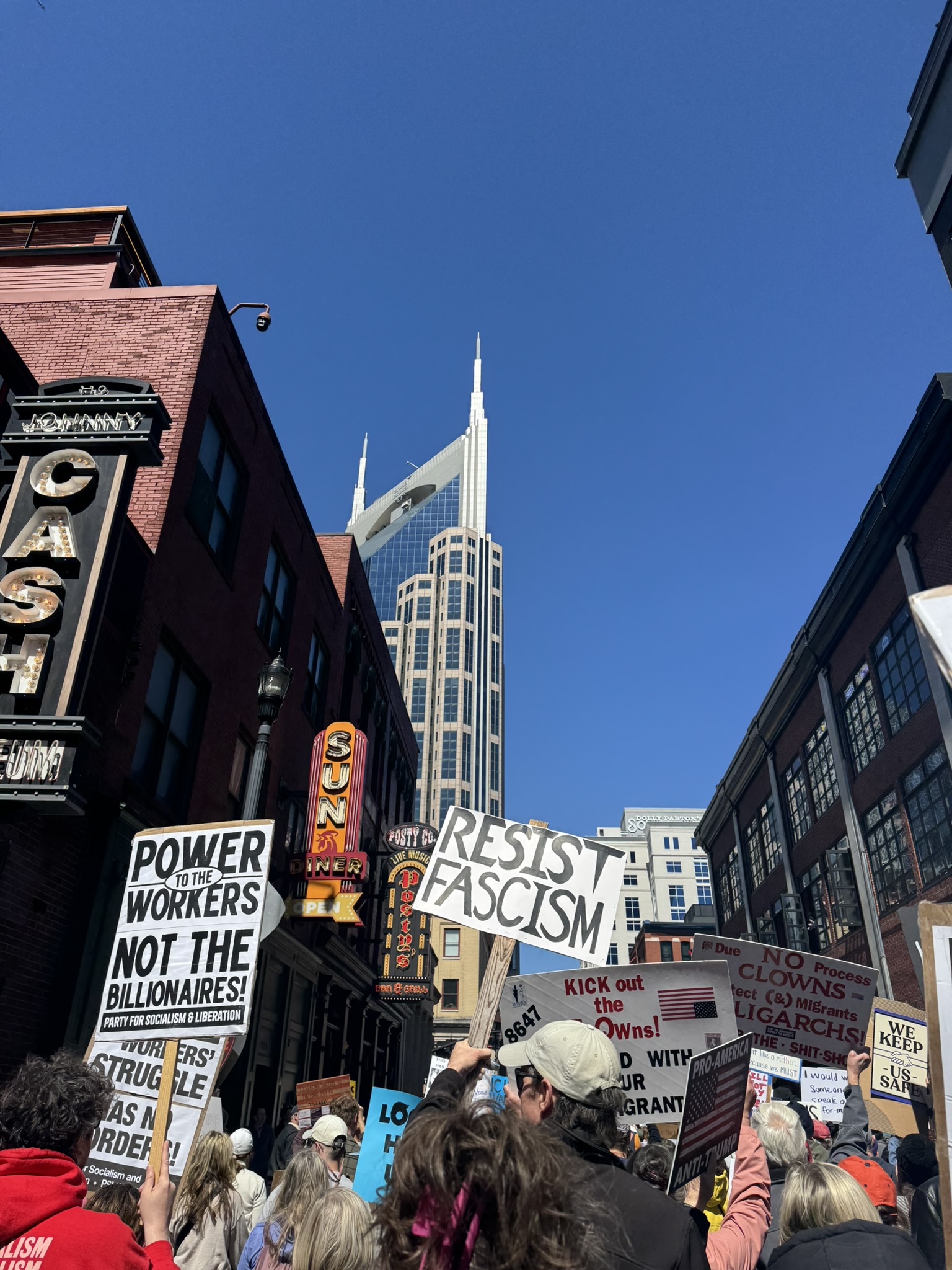
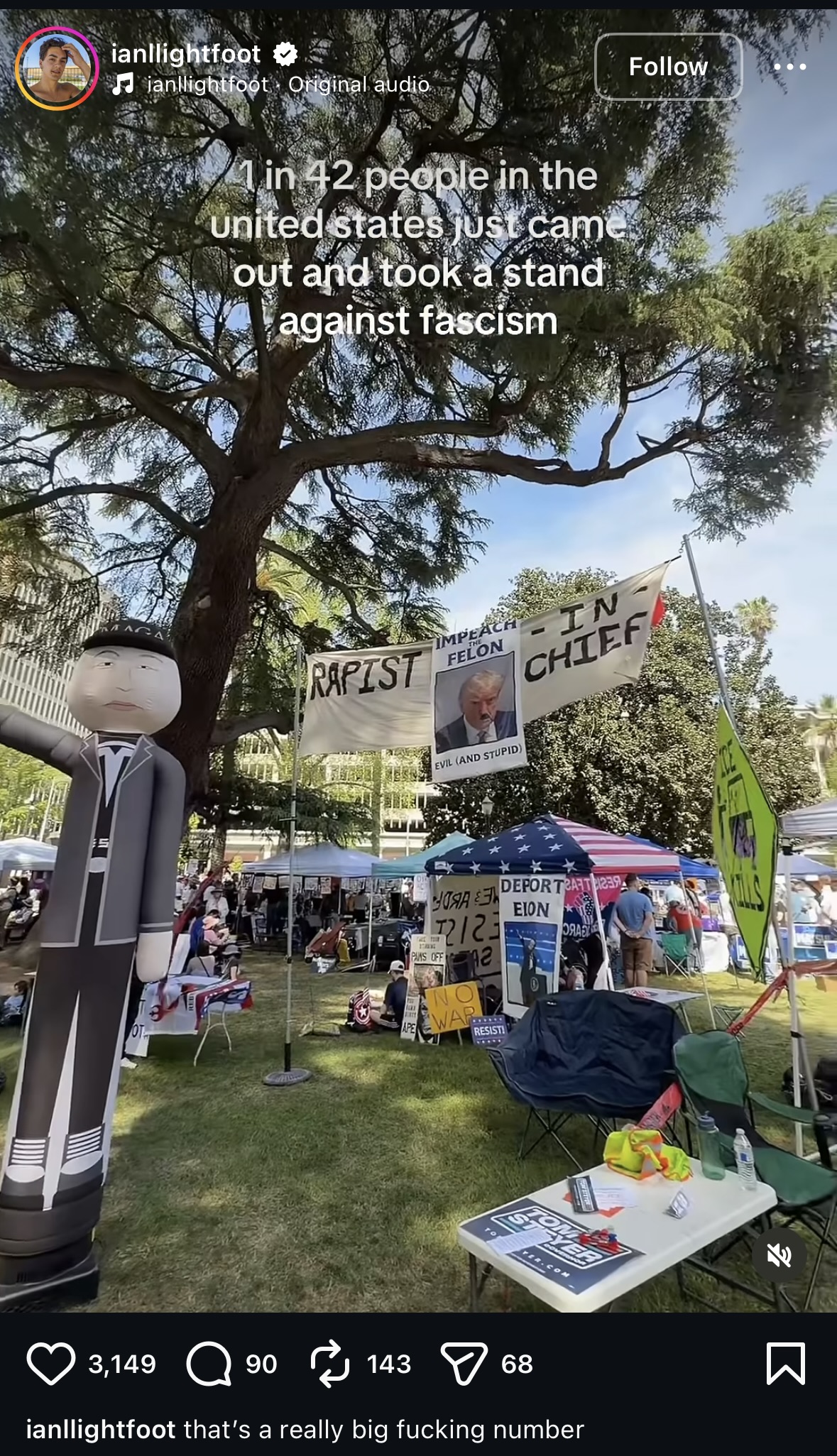
3:30 a.m. – Wake up to my alarm before work and immediately check my phone (bad habit). Scroll Instagram and see a post claiming “1 in 42 people showed up to the No Kings protest.” No source listed, just a reel. I mentally flag it but keep scrolling.
Screenshot 6:15 a.m. – Check Apple News and see a newsletter from CBS about nationwide protests. They claim millions showed up and over 3,300 cities took part in the action. Also check the weather app.
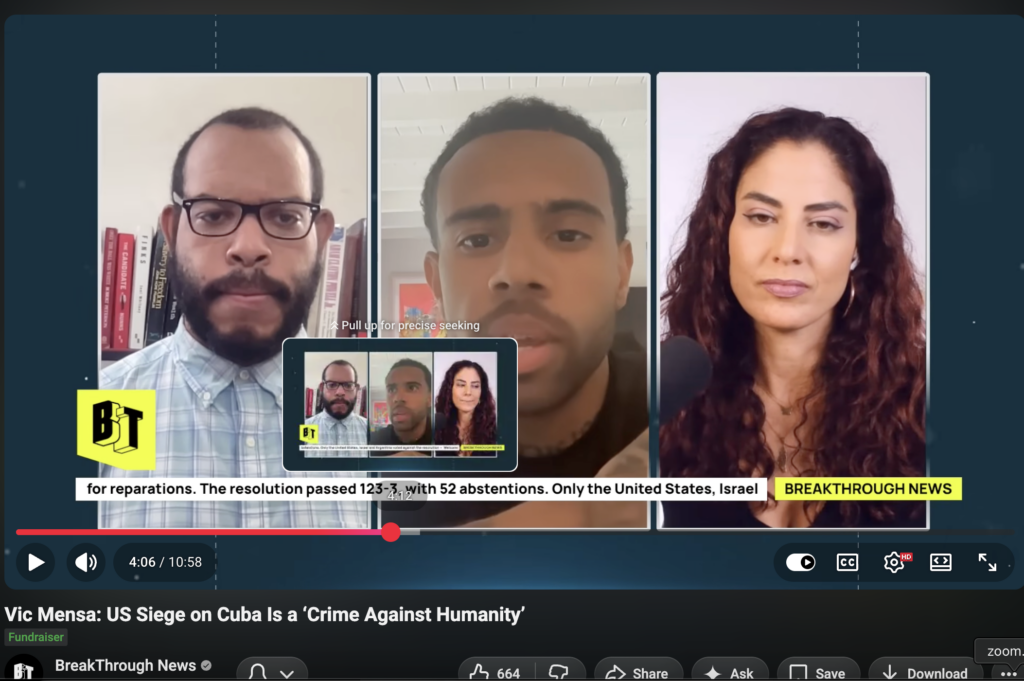
8:30 a.m. – Watched a BT News segment about the United State’s blockade against Cuba during my lunch break at work.
10:30 a.m. – Check NPR and see another story about No Kings, this time describing that there were over 3,000 actions nationwide.
1:00 p.m. – Watch a YouTube video about running tips for beginners. Mostly helpful, but it was prefaced with a sponsored ad pushing electrolyte products with vague claims about performance.
3:30 p.m. – Text thread with friends. Someone mentions the “1 in 42” statistic. No source attached.
5:00 p.m. – Watch TV (local news). Coverage of a recent protest, but no mention of the “1 in 42” claim I saw earlier.
7:00 p.m. – Back on Instagram. See more No Kings content in my feed—a healthy mix of local and national coverage.
8:00 p.m. – Scroll again before bed. Realize I’ve seen the same questionable claims repeated across multiple platforms all day.
Questionable Content + Analysis
The most obvious example of questionable content I saw was the claim that “1 in 42 people showed up to the No Kings protest.” It stood out because it sounded huge and specific, but there was no source attached. When I looked it up, I couldn’t find any credible reporting from outlets like Reuters or the Associated Press confirming that number. Most legitimate coverage talked about turnout in more general terms, which made me think the statistic was either exaggerated or taken out of context.
This connects directly to what we read about how misinformation spreads—especially the idea that people are more likely to share something if it sounds true or impressive. That “interesting if true” concept really applies here. A number like “1 in 42” feels precise, which makes it seem credible, even if it isn’t verified.
Another example was the supplement content I saw on Youtube. Videos promoting things like electrolyte powders with catchy names or flashy packaging made strong claims about energy and performance, but didn’t cite any actual studies. When I checked more reliable sources, like the NIH Office of Dietary Supplements, I found that while these supplements can have benefits, they’re much more limited than what influencers were claiming. The YouTube ads were clearly simplifying or exaggerating to sell a product.
I also noticed how often repetition plays a role. Different protest statistics showed up multiple times across different platforms. Even without verification, seeing some claims repeatedly made them feel more believable at first. That aligns with what we learned about how distraction and repetition can increase the likelihood of sharing misinformation without thinking critically.
Fact-Checking Process
To verify the protest claim, I:
- Searched the exact phrase in Google
- Checked major news outlets (Reuters, AP, NYT)
- Looked for original data sources
I couldn’t find any credible source backing the “1 in 42” number, which suggests it’s either misleading or completely unsupported.
For the supplement claims, I:
- Compared TikTok claims with NIH and health websites
- Looked for actual research-based explanations
The difference was pretty clear—real sources were way more cautious and specific, while social media content was vague and exaggerated.
Reflection
Honestly, I saw way more questionable content than I expected. What stood out wasn’t just the amount, but how normal it felt. None of it looked obviously fake—it was mostly things that seemed believable at a glance.
I also noticed that a lot of this content came from:
- social media (especially YouTube and Instagram)
- reposted graphics or stats without sources
- influencers or accounts trying to sell something
One pattern I kept seeing was that emotional or impressive claims spread the fastest. Whether it was a huge protest statistic or a supplement promising quick results, the content was designed to grab attention first and be accurate second.
I also realized I’m more likely to question certain types of content than others. For example, I immediately doubted the protest statistic, but I almost accepted the electrolyte powder claims without thinking as much. That’s definitely something I need to be more aware of.
Overall, this made me realize how easy it is to passively consume misinformation without even noticing. Even when I didn’t believe something, I didn’t always take the time to verify it. Moving forward, I think I’ll be more intentional about checking sources—especially when something sounds a little too perfect or too dramatic to be true.
- Searched the exact phrase in Google
-
You Can’t Outrun Where You’re From
I spent most of my life trying to escape my Southern background.
Not in some dramatic, conscious way – but in a thousand small edits. I learned how to flatten my voice. I learned which words to avoid. My parents told me they raised me not to have a country accent, and when extended family from out West or up North came to visit, they would comment on it openly: Wow, Aden and Lindy don’t even sound Southern. I didn’t understand what that really meant at the time, but I understood that it was something to be praised. Something to maintain.
So I did.
I reinforced it everywhere I went. I talked openly about how much I hated growing up rural, white Tennessee. I distanced myself from anything that could mark me as working class. I learned early that “Southern” was often shorthand for uneducated, backward, unsophisticated… and I wanted no part of that association. I didn’t want to be misread. I didn’t want to be underestimated. I didn’t want to be trapped inside other people’s assumptions.
What I didn’t realize then was that I wasn’t just shedding stereotypes. I was sanding down parts of myself.
Recently, I spent a long time talking with my step-grandpa about his upbringing all over Nashville, including in The Nations – back when it was a deeply working-class neighborhood. Not in a way that demanded explanation or pity. Just in the way people talk when their life is understood as normal. He talked about growing up surrounded by people, about discipline, about getting into trouble, about laughter and routine and survival. About saying what needed to be said because there was no benefit to pretending otherwise.
My step-grandpa has always seemed rough around the edges if you don’t know him. He’ll tell you directly to stop pulling the dog’s tail or knock it off – but he always laughs right after. Always smiling. Always joking. He carries joy with him in a way that feels effortless. Discipline was never about fear. It was about care, about keeping people in line because they mattered.
This is the same step-grandpa and grandma who took my dad in when my parents divorced. It wasn’t framed as generosity. It wasn’t a conversation. It just was. Helping family wasn’t something they performed; it was something they did. My dad wasn’t the first child they supported, and he wasn’t the last.
Growing up, their house was never quiet. It was full in the most literal sense: kids running through hallways, cousins everywhere, men gathered around the TV yelling at race cars, food on the stove, cans opening, doors occasionally slamming too loud. And just as quickly, someone reminding us to shut it gently. There was structure. There were expectations. There was affection without restraint.
They disciplined us more than probably anyone else in my family – but it was never harsh. And no matter what, I always wanted to go back. You always knew what you were walking into: correction when needed, followed immediately by hugs, laughter, and reassurance. Love was not conditional on performance.
Mornings were calmer. My grandma had a way of holding steady even with seven grandkids in the house. Peek-a-boo eggs. French toast. Everyone fed. Everyone counted. Everyone safe. There was nothing chaotic about it. It was practiced, intentional, and deeply competent.
I think I knew, even then, that we didn’t have much in a financial sense. I could see the contrast when we visited my mom’s parents’ house – bigger, quieter, fewer people moving through it. Not less love. Just a different structure. But in my nána and step-grandpa’s home, abundance wasn’t measured by space or silence. It was measured by presence.
Somewhere along the way, I learned to feel embarrassed by that closeness.
I didn’t want to take the path of the members of my family that didn’t finish college, that had kids young, that lived plainly and spoke directly. I told myself I was growing, evolving, becoming my best self. In reality, I was buying into a version of success that required distance – distance from class, from community, from the people who made me.
When I dropped out of school many years ago, I felt like I had disappointed everyone. That shame hit hard. But my step-grandpa and grandma made it clear (without dramatics, without lectures) that they weren’t disappointed in me. Not for a moment. They accepted me exactly where I was. And they were proud of me.
And instead of letting that acceptance ground me, I pulled away. From all of my family. I thought proximity to them might hold me back. I thought I needed separation to succeed. Now I understand how backwards that thinking was.
I needed family to survive college culture. I needed them to enjoy life. I needed the deep knowing that my worth was not contingent on credentials, timelines, or respectability. I needed to understand that who I am is not something I escaped. It’s something I carried forward.
The irony is that the qualities I once tried hardest to erase – directness, emotional honesty, valuing people over appearances, understanding discipline as care – are the very things that allow me to move through the world with clarity now.
This isn’t about rejecting any part of my family. Every branch matters. Every version of love shaped me. But this is about recognizing how deeply I internalized class shame, and how much of myself I muted in the process.
I don’t want to escape my Southern background anymore. I want to hold it with intention. Not as nostalgia. Not as caricature. But as lived truth.
If my younger self – the one carefully shaping their voice, trying so hard to be taken seriously – were sitting at that breakfast table, I’d want them to understand this: there is nothing lesser about a life built around care, consistency, and showing up. Having less money does not mean having less meaning. The love in front of you is not something you need to outgrow. It is something you will return to.
The most authentic version of me wasn’t something I needed to invent. It was already there – waiting for me to stop running.
What They Gave Me
It took me a long time to understand that what I was absorbing in that house wasn’t just love – it was a way of seeing the world.
Discipline that wasn’t about humiliation, but about responsibility. Care that wasn’t conditional on achievement, but a constant sense of who was missing, who needed to be fed, who needed to be taken in. These weren’t abstract values. They were practiced daily. And long before I had language for class or power or labor, I learned that people are shaped less by what they own and more by how they treat one another under pressure.
When you grow up in spaces like that, you learn to read dynamics instinctively. You notice who carries the burden and who gets credit. You notice how work is distributed, how care is shared, how rules are enforced – and who they’re enforced on. You learn that survival is collective, even when society insists it’s individual.
I think that’s why class analysis never felt academic to me. It felt familiar.
The values that now shape how I understand class struggle – solidarity, mutual obligation, suspicion of respectability, refusal to confuse worth with credentials – weren’t learned in a classroom. They were learned at a crowded kitchen table. They were learned watching adults show up for each other without fanfare. They were learned through a kind of working-class clarity that doesn’t pretend systems are fair just because they’re orderly.
I spent years trying to distance myself from that clarity, thinking it made me less serious, less polished, less legible in spaces that prize detachment. Now I understand that it’s precisely what allows me to see through narratives that blame individuals for structural harm. I recognize the lie because I’ve lived the alternative: a world where people are valued because they belong, not because they perform.
This isn’t about idealizing hardship or pretending struggle is virtuous. It’s about recognizing that when care is treated as non-negotiable, it produces a different political imagination. One that understands class struggle not as an abstraction, but as a lived reality – felt in who has to stretch, who has to wait, and who is expected to absorb the cost quietly.
The people who raised me taught me, without ever naming it, that no one survives alone. That lesson stayed with me long after I tried to bury everything else.
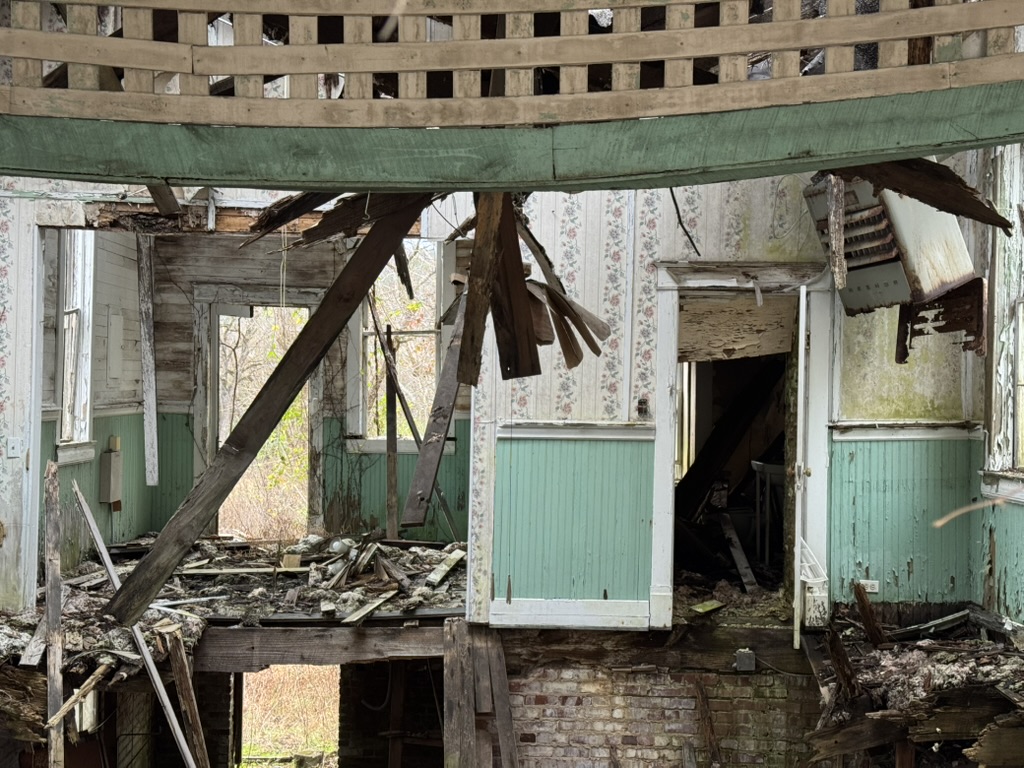
I lived in The Nations a couple years ago, in one of the few old houses still standing, just down the road from where my step-grandpa grew up. We paid in a single year of rent what he once paid to buy a house there outright – decades later, in the same neighborhood. That contrast isn’t theoretical to me. It’s embodied. The Nations was once a culturally diverse, working-class community where people lived close to one another out of necessity and care.
Now it’s been stripped, whitewashed, and repackaged into something unrecognizable – homes torn down and rebuilt for people who will never know who lived there before them, prices inflated beyond what the community that sustained the neighborhood could ever afford. Living there felt like standing inside the erasure of my own history. Watching a place that shaped my family be turned into a commodity clarified something for me: gentrification isn’t just about housing markets or development trends. It’s about which lives are considered disposable once their labor, culture, and presence are no longer profitable.
The same values that once held that neighborhood together are now treated as obstacles to “progress,” and I know how to recognize that lie because I come from people who built lives without needing permission from capital to matter. The home I came from taught me what no development ever could: that a place is only as valuable as the people who are allowed to remain in it.

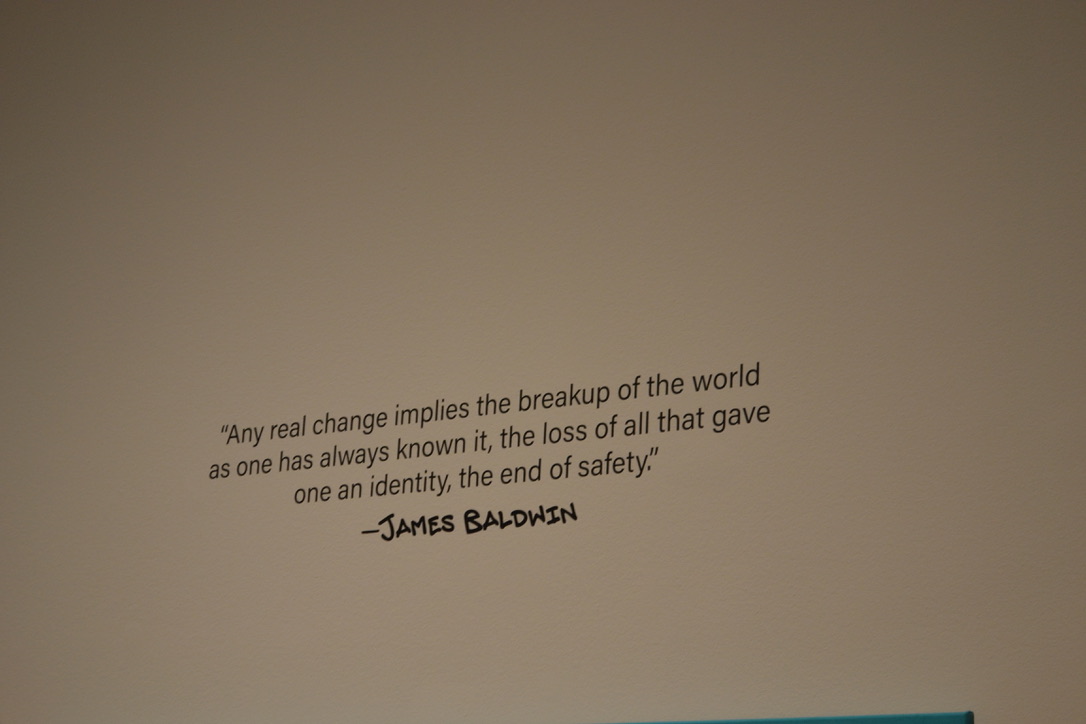

-
We are Nashville. Not you.
The Flood That New Nashville Doesn’t Remember
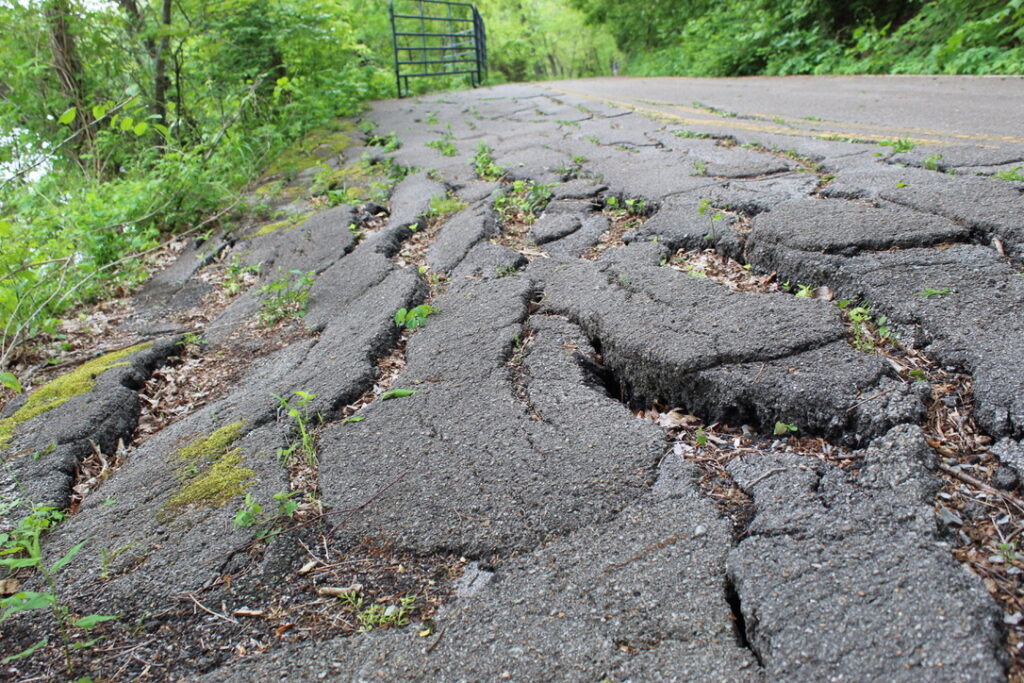
In May 2010, it rained for two straight days in Middle Tennessee. Not a drizzle, not a spring storm, but a historic, unrelenting downpour that swallowed entire communities. Forty-eight hours, over a foot of rain, and a region completely cut off from itself. Nashville flooded. Cheatham County flooded. Kingston Springs, Bellevue, North Nashville, Bordeaux, Antioch (places that today’s newcomers treat like trendy neighborhoods or short-term rentals) were underwater.
But the flood wasn’t just something that “happened” to the city. It tore through people’s lives, homes, and histories. And what haunts me most is how easily it is now forgotten by the very people who moved here because disaster made Nashville affordable for the first time in decades.
I was eleven years old at Girl Scout camp in Cheatham County when the storm hit. We didn’t know at first that it was a hundred-year flood; we just knew the rain felt wrong — heavy, nonstop, biblical. The tornado warnings screamed all night, the power kept cutting in and out, and we rationed food with complete strangers because no one knew how long we’d be stuck there. We slept on the bathroom floor for safety. I cried for the entire week I was trapped, listening to water rush and wondering if my family was okay.
At home, my mom and sibling were trapped in our neighborhood as the water slowly rose. Houses were being swallowed whole. They didn’t know if ours would survive. To escape, my mom, our dog, and my sibling had to walk to the interstate to be picked up by my father and stepmom — and that carried its own emotional weight. My parents had divorced just a year before the flood. My dad had remarried only months earlier. Disaster doesn’t pause the messiness of life; it just shoves everyone together in survival mode and hopes they make it out intact.
There was no way to reach me at camp; power lines were down, roads were destroyed, bridges washed away. By the time the sun finally came out, it felt like the last scene in a horror movie — when the color comes back into the frame and you realize you survived. We escaped on a hiking trail because the roads were enveloped and no one was coming to rescue us. The look on the other girls’ (who had gone on a hike) faces that morning as our decades-old Jeep Cherokee crested the hill… pure shock. None of us should’ve been driving on that trail, but there was no other way out.
When I eventually made it home after a week or two of staying with aunt and grandparents, I remember the smell before anything else. Dirt, rot, death, mold — a thick, heavy stench that clung to my hair and clothes until I got inside the house. Half our neighborhood was unrecognizable. The entrance to our subdivision had literally washed away. The elementary school one town over was destroyed; kids had to write letters to a home-makeover TV show to get help rebuilding. School was canceled for the rest of the year.
Everyone was affected.
And yet… not everyone was helped.
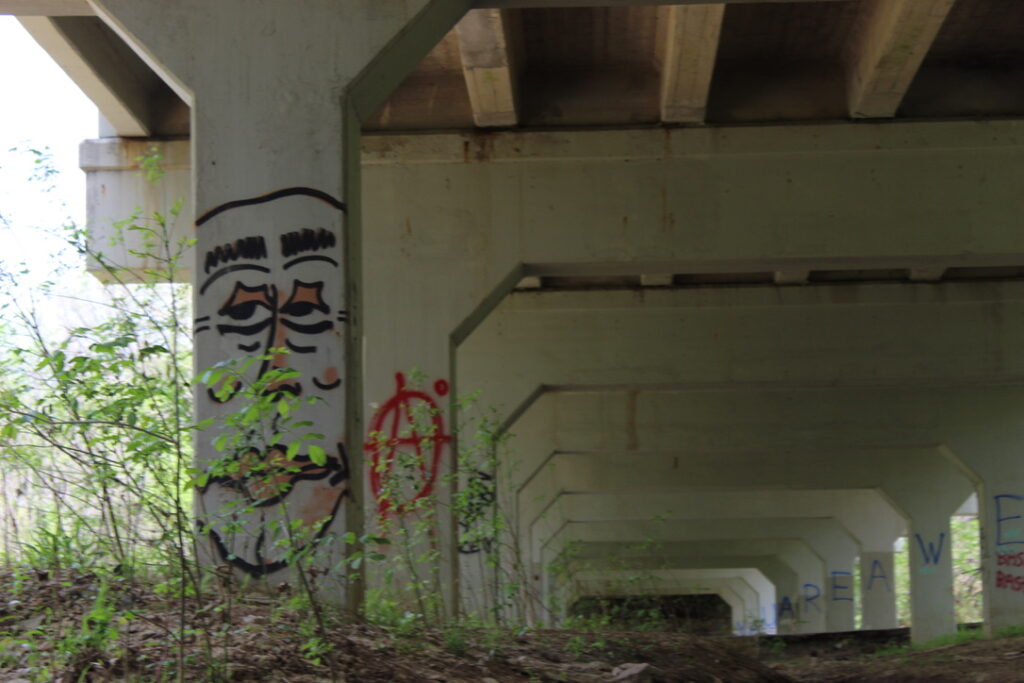
The Parts of the City That Suffered Most — and Still Get Forgotten
There’s a version of the 2010 flood that Nashville likes to tell — the one about Opry Mills, downtown, the Grand Ole Opry stage under water. It’s dramatic. It’s cinematic. It’s brandable.
But the real story (the one erased from glossy narratives) is what happened in working-class and Black neighborhoods.
The Cumberland River doesn’t discriminate, but systems do.
In North Nashville, Bordeaux, and along the river’s industrial edge, entire blocks of predominantly Black neighborhoods flooded because of decades of racist planning practices, underinvestment in infrastructure, and a refusal by the city to protect communities seen as “less valuable.” Homes built in low-lying areas were placed there because Black families weren’t allowed to buy anywhere else for generations. When the water came, it came hardest for them.
Black homeowners lost generational wealth that will never be restored.
Black renters lost stability and were funneled into an increasingly predatory housing market.
Black elders who had lived in the same homes for forty, fifty, sixty years were left stranded.
And while white, wealthier areas often received faster cleanup, more attention, and quicker rebuilding, Black communities faced bureaucratic delays, insurance denials, and FEMA barriers that reinforced inequality rather than relieving it.
Many of these same neighborhoods were later targeted by developers who saw not devastation, but opportunity — cheap land, distressed properties, and a city government eager to attract investment.
The result?
The flood didn’t just create physical damage.
It accelerated Black displacement in Nashville — a displacement that continues today, hidden beneath the language of “revitalization.”
If I’m going to tell the story of rural communities like Cheatham County being forgotten, then I have to tell the truth:
We weren’t the only ones erased.
Black communities were hit hardest and helped least.
And they have carried that burden for sixteen years with almost no acknowledgment from the city that claims to love them.
The Flood as the Beginning of Nashville’s Modern Gentrification
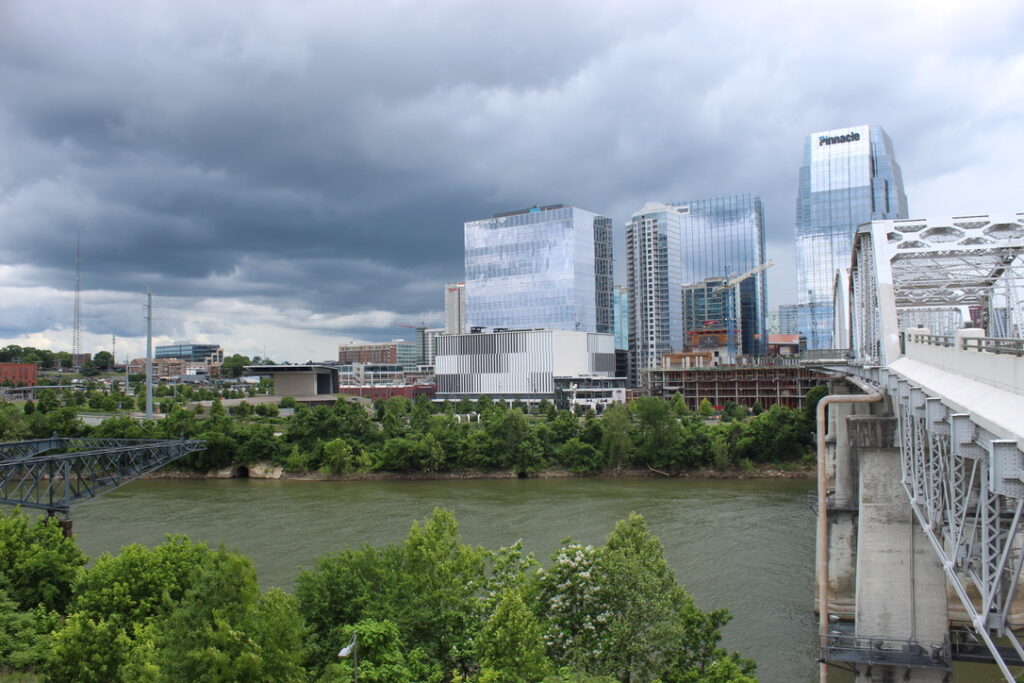
When people talk about Nashville’s growth boom, they talk about tech companies, low taxes, the “It City,” Broadway tourism, and a skyline that won’t stop mutating. What they never talk about — maybe because they truly don’t know, or maybe because it’s inconvenient — is that the boom began in the hollowed-out shells of homes ruined by the 2010 flood.
Disaster didn’t just destroy buildings. It created opportunity for people who had nothing to lose and everything to gain — investors, developers, out-of-state landlords, and wealthy newcomers who swooped in as soon as the water receded. Entire working-class neighborhoods were left with impossible decisions: rebuild with money they didn’t have, or walk away from the places they’d lived for generations.
The people who walked away didn’t choose to. They were forced out — by FEMA failures, by insurance loopholes, by the sheer cost of starting over.
And while the city moved on, many families never did.
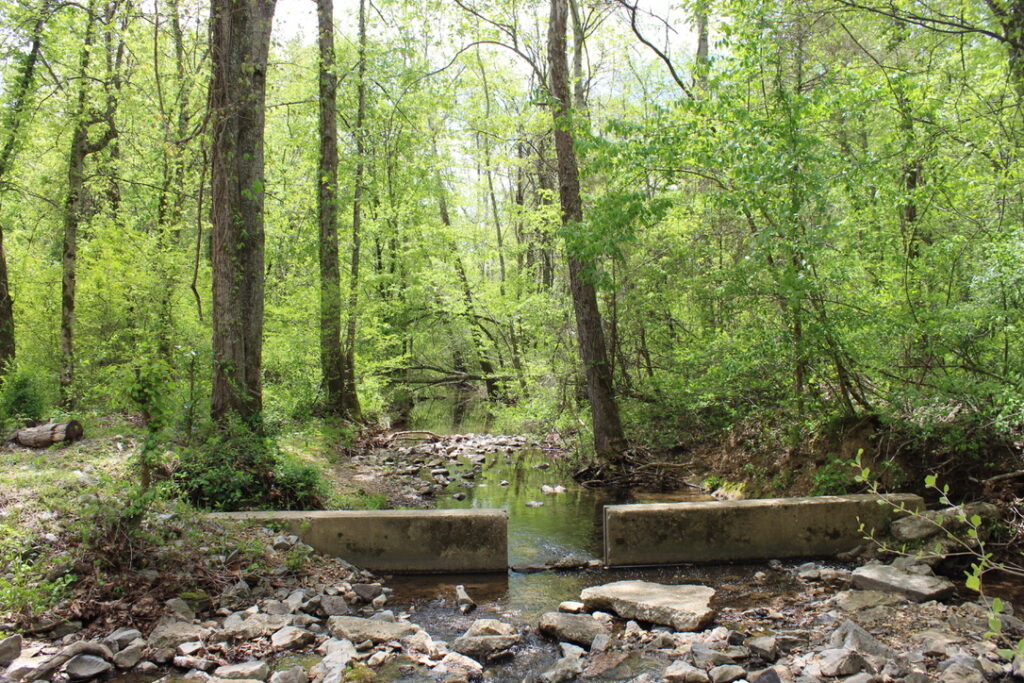
What Recovery Actually Looked Like in a Working-Class Household
My house didn’t flood, and in middle-class Nashville terms, that meant we were “lucky.” But luck feels complicated when you grow up working-class. We weren’t wealthy. We didn’t have much savings. My family had just enough to survive, which meant we didn’t have much to give — but we gave anyway.
My parents made my sibling and me gather clothes, toys, anything we could spare. We packed bags of whatever might help another kid feel less alone or another family have one less thing to buy. We donated canned goods and shelf-stable food for $1/can. We couldn’t donate money, but we gave what we had, and what we had wasn’t much.
If you’ve never gutted a flooded home, you don’t understand what it means to “help your neighbors rebuild.” It’s not HGTV. It’s not swinging a hammer for a photo op. It’s hours of ripping out drywall soaked with river water, mud caked into every corner, mold creeping up the walls in real time. It’s wheelbarrows of ruined furniture and family photos and mattresses and memories. It’s the carcasses of animals that drowned and fish that couldn’t survive the rushing flood waters. It’s watching people try to stay hopeful while knowing they may never afford to rebuild the life they had.
My community didn’t just drop off items and go home. We showed up where the need was. We grabbed gloves and masks and did the work because so many families had no one else. In rural places like Cheatham County, most of the time your neighbors are your FEMA, your Red Cross, your “disaster response.”
But even with all of that community care, the truth is stark:
Many people never came back.
Many homes were never rebuilt.
Many lives were never the same.
And the city never acknowledged that loss as the foundation of its so-called “transformation.”
Erasure, Development, and the Myth of the Blank Slate

When newcomers arrive in Nashville today, they treat the city like a blank canvas — a place they can reinvent, a place that exists for their careers, their bachelorette trips, their “Southern living” fantasy. They don’t understand that the canvas was wiped clean by disaster, not by innovation. They don’t understand that the affordability of 2011–2015 — the window that opened the door for so many transplants — came from tragedy.
People think they moved here for opportunity.
But many only got that opportunity because others lost everything.
It’s not about blaming individuals for moving here. It’s about naming the truth: your ability to start fresh in Nashville was built on someone else’s loss — a loss that has never been publicly acknowledged, a loss that still hurts the people who lived it.
And what hurts just as much as the loss itself is the silence around it.
In Cheatham County, Pegram, Kingston Springs — we weren’t on the national news. We weren’t mentioned in the governor’s speeches. We weren’t even included on Wikipedia. Our disaster wasn’t aesthetic enough to photograph, not urban enough to report, not profitable enough to center. But we were the ones who lost our schools, our roads, our bridges, our homes, and in some cases, our entire communities.
It’s easier for the city to forget rural working-class suffering because remembering it would complicate the “Nashville success story.”
But I remember.
And thousands of us do.
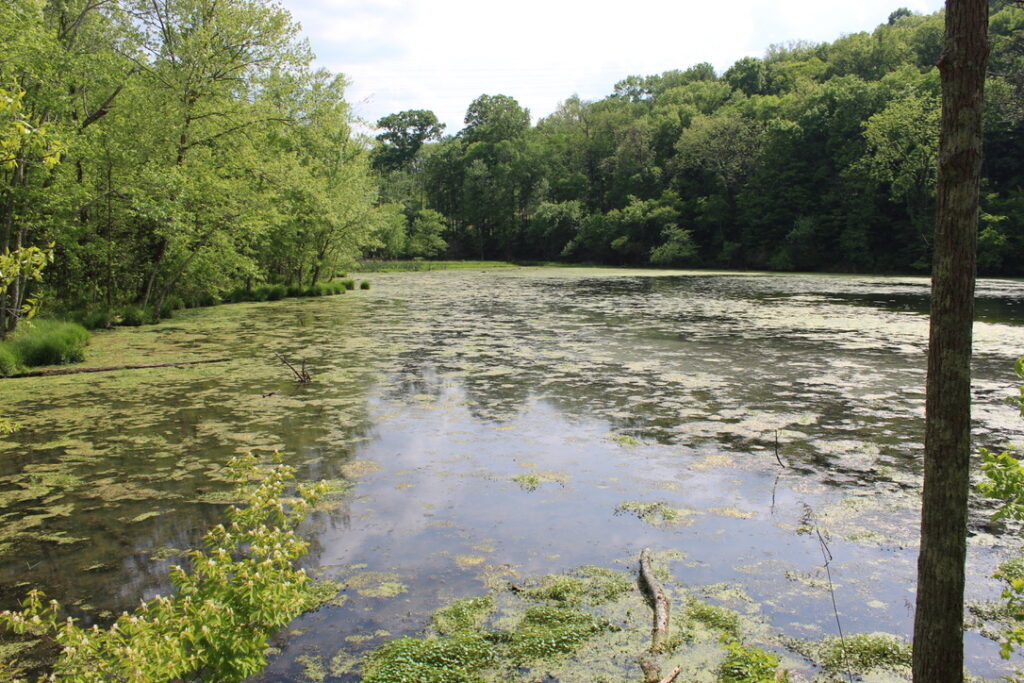
The Trauma That New Nashville Doesn’t See
Sixteen years later, there are families in Cheatham County and across Middle Tennessee who still haven’t recovered. Some never rebuilt their homes. Some lived in mold for years. Some moved away and never returned because the cost of rebuilding — financially and emotionally — was too high.
Flood trauma doesn’t leave your body. It shows up when the sky turns green, when the rain falls too hard for too long, when you hear a tornado siren that reminds you of sleeping on a bathroom floor in the highest building of the Camp Sycamore at eleven years old, rationing food with strangers because no one could reach you.
And it shows up when someone who just moved here says,
“Oh, I heard Nashville had a flood one time,”
as if it were a trivia fact instead of a mass displacement event.
As if the suffering of working-class Tennesseans is just a footnote in their favorite city’s backstory.
What We Owe the Past If We Want a Just Future
If Nashville wants to call itself a “world-class city,” then it has a responsibility to remember the world that existed before the cranes and condos. The 2010 flood is not a piece of trivia. It is a scar. It is a turning point. It is a story of who had power, who didn’t, and who paid the price for the growth that came afterward.
We owe it to the people who lost everything — the ones who rebuilt, the ones who couldn’t, the ones who left — to speak honestly about what happened. Because erasure isn’t neutral. When you erase the past, you erase accountability. You erase cause and effect. You erase the people who shaped this place long before it was Instagrammable.
Remembering the flood is not about guilt; it’s about truth.
It’s about acknowledging that working-class and rural communities in Middle Tennessee were left to recover alone, with almost no state or federal support, while developers saw opportunity in their ruin. It’s about recognizing that Nashville’s current “success story” rests on the shoulders of people who were displaced, dispossessed, and ignored.
We owe the past honesty.
We owe each other care.
And we owe the future a commitment to doing better — because the next disaster will come, and we cannot repeat the failures that defined 2010.
Nashville Will Flood Again — And We Still Aren’t Ready
The brutal truth is this: the 2010 flood was not a fluke. It was a preview.
Climate change has made Middle Tennessee wetter, hotter, and more unpredictable. We are seeing more extreme rainfall events, more back-to-back storms, more “unprecedented” weather that somehow keeps happening. And yet, for all the lessons we should have learned from 2010, our city’s priorities have only moved further away from safety and resilience.
We keep building luxury apartments on floodplains.
We keep paving over the tree canopy that could absorb stormwater.
We keep prioritizing investors over infrastructure.
We keep approving development faster than we build drainage or emergency shelters.
And while Nashville markets itself as a booming, polished Southern hub, the truth is that the people least protected from the next flood are the same people who were abandoned in the last one — working-class families, rural communities, seniors, disabled neighbors, migrants, renters, unhoused people, and anyone living in the shadows of prosperity.
I think about this often.
And I’m telling you now: Nashville isn’t ready for the next flood — not emotionally, not structurally, not politically.
We cannot keep treating disasters as individual tragedies or personal bad luck. They are systemic. They are predictable. And in a city shaped by profit, they are deeply unequal.
If we want a just future, we have to start by telling the truth about the past:
what was lost, who was forgotten, and who continues to bear the cost of a city they helped build long before newcomers ever discovered it.
Because memory is part of preparedness.
Because truth is part of safety.
And because honoring what happened in 2010 is the first step toward making sure we don’t repeat it — or ignore the people most harmed when we do.
-
Starbucks, Spotify, and the Sound of Control
Disclaimer:
This post isn’t about Taylor Swift. I actually hate giving her, or any celebrity, more attention than they already have. What I’m writing about is power — how companies like Starbucks use sound, culture, and celebrity to control the atmosphere of our workplaces. Taylor Swift just happens to be the loudest example right now.
1. The Noise You Didn’t Choose
If you’ve ever worked a long shift at Starbucks, you know the soundscape before you even clock in. It’s not just the hiss of the espresso machine or the clatter of ice in the blender — it’s the playlist. The one that loops back to the same handful of “brand-approved” songs every hour, on repeat, like a caffeinated carousel.
When I first started working for Starbucks in 2019, I didn’t think much about it. Then I noticed that no matter how many playlists supposedly “rotated,” the same few artists always came back. It’s like the algorithm couldn’t resist hitting the same button over and over again.
After years of this, I’ve come to hate hearing Taylor Swift in particular — not even because of her personally, but because of what her presence represents in this environment. Her songs have become a kind of sonic wallpaper for control: upbeat enough to pacify customers, repetitive enough to keep us numb.
“Every time a playlist resets to the same few songs, it’s another subtle reminder that this isn’t our space — it’s theirs.”
Starbucks has created an audio environment that feels less like a workplace and more like a living commercial. It’s not designed for the workers behind the counter. It’s designed for the brand.
2. Starbucks, Spotify, and the Curated Soundscape
In 2015, Starbucks proudly announced its partnership with Spotify. The deal promised that baristas could “influence the in-store music experience.” On paper, it sounded empowering — a chance to shape the vibe of the store, maybe even share our own cultural tastes. But in practice, it’s just another illusion of choice.
The company curates playlists through a centralized system, selecting “brand-appropriate” songs that are pre-approved and pre-loaded into store devices. Workers can choose between playlists, but we can’t make or modify them. In other words, it’s the same old top-down control disguised as collaboration.
Starbucks even boasts on its official site that it “handpicks the artists and songs that are played around the world.” That one sentence says everything. This isn’t about taste or diversity — it’s about branding consistency. Every note, lyric, and tempo is curated to evoke the right mood: corporate calm.
So when corporate executives or PR teams claim that “partners can change the music anytime,” what they really mean is you can choose between preselected vibes. There’s no autonomy in that. It’s the same logic that governs every aspect of our labor — control the atmosphere, control the worker.
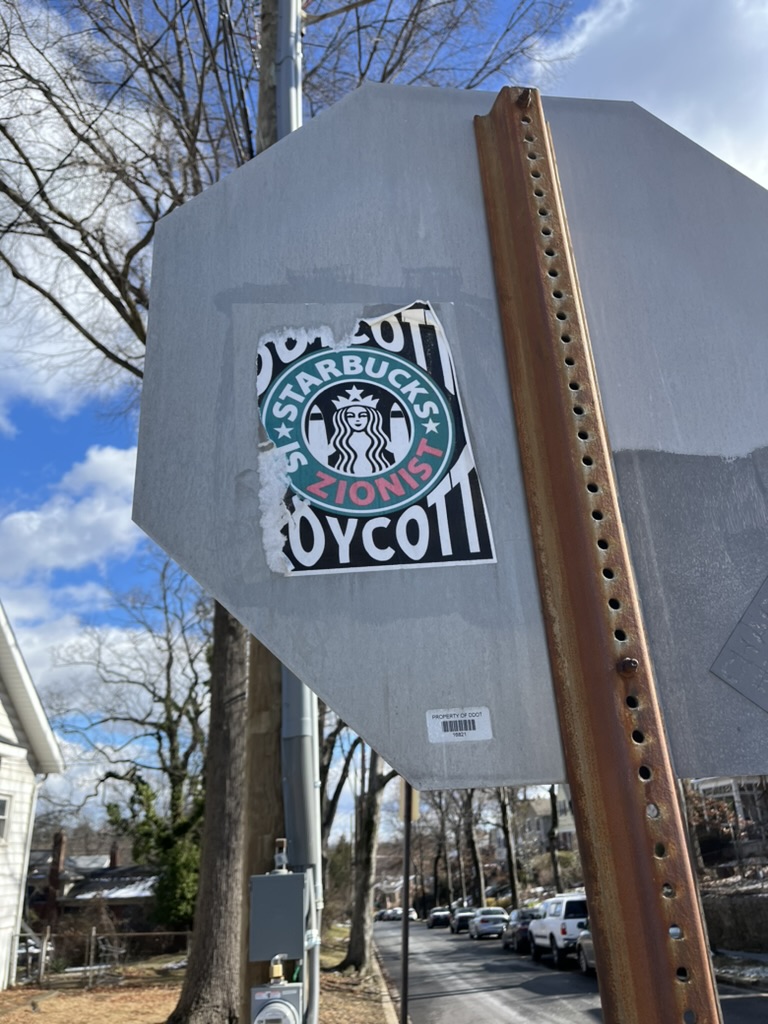
3. When “Taylor Time” Takes Over
If you’ve ever worked a shift during one of Starbucks’ celebrity tie-ins, you know exactly what Taylor Time feels like.
During the 2021 rollout of the Red (Taylor’s Version) campaign, Starbucks not only renamed drinks after Taylor Swift but flooded stores nationwide with her music. Later, the company debuted the now-infamous “Starbucks Lovers” playlist — 122 songs, all Swift, looping for hours on end. Some stores reported that it would automatically restart after finishing, trapping both workers and customers in an endless cycle of her voice.
Nobody asked us if we wanted that. And nobody seemed to care that listening to one artist for an entire shift can drive you to the edge.
What’s worse is that this repetition isn’t just annoying — it’s strategic. These playlists double as marketing tools, quietly boosting Spotify streams, sales, and social engagement. The baristas forced to hear them are part of that machine, unpaid and unheard. Our workplace becomes an extension of the platform economy, where every play and every customer encounter feeds data into someone else’s profit margin.
“It’s not just a playlist. It’s a marketing campaign you can’t turn off.”
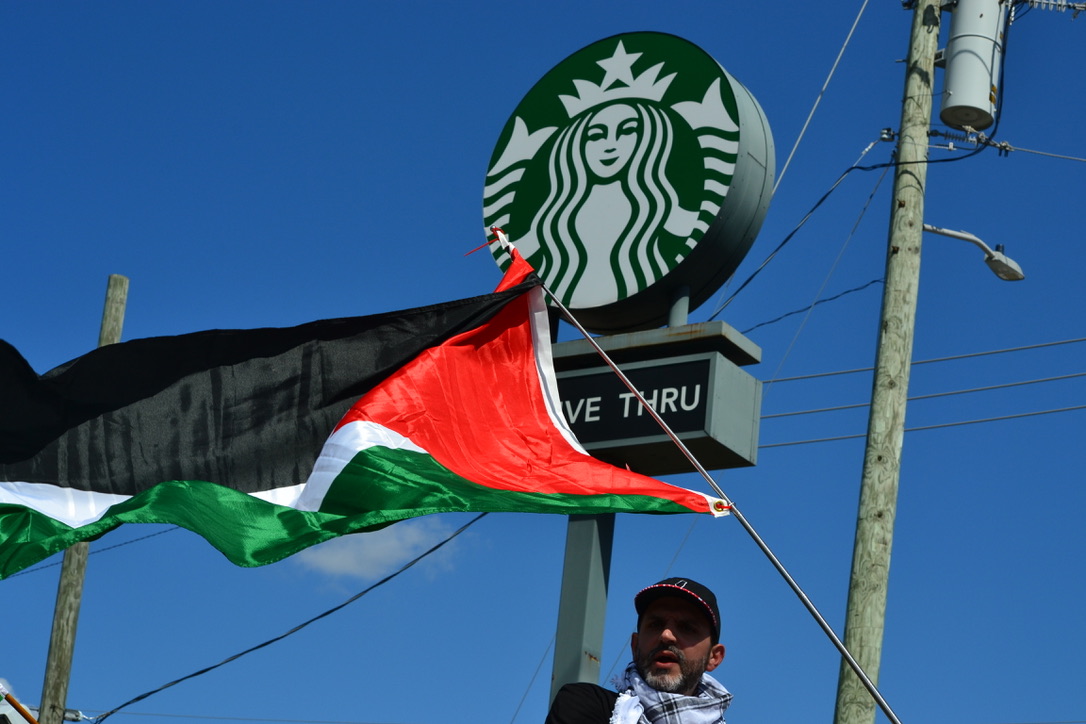
And when the company chooses to center one of the most powerful and politically silent celebrities in the world — someone who refuses to speak out about ongoing genocide — it doesn’t just feel tone-deaf. It feels cruel. To work in a store that sues its union over Palestine solidarity, while that same company blasts Taylor Swift’s music every hour, is to be surrounded by a carefully engineered silence — one that sounds a lot like oppression.
4. What It Does to the Body, Mind, and Spirit
Eight hours in a repetitive sound environment does something to you. You start to lose your sense of time. The songs blend together into a numbing hum. This is called auditory fatigue — the brain’s way of shutting down from overexposure to repetitive audio stimuli. It’s a psychological defense mechanism, but it comes at a cost: irritability, disorientation, and emotional dullness.
Service work already demands enormous emotional labor: the constant effort to appear cheerful, patient, and calm no matter what. When you add an imposed soundtrack that loops the same lyrics about heartbreak or empowerment ad nauseam, it creates a strange kind of emotional dissonance. You’re performing joy over music you can’t stand.
As The New Yorker put it in “When Music Is Violence,” sound can be a form of domination. It’s not always about volume — sometimes it’s about repetition, confinement, and the removal of choice. Starbucks’ playlists are perfectly polite weapons: they don’t hurt your ears, but they wear down your spirit.
And it’s not lost on us that the soundscape we’re trapped in is almost entirely white and sanitized. Starbucks rarely promotes Black or brown artists the way it promotes white pop icons. The musical diversity of the workforce — jazz, R&B, reggaeton, punk, hip-hop — gets replaced with the corporate comfort of predictability. The sound of culture gets replaced with the sound of control.
5. Workers as Amplifiers of Brand Power
Starbucks is a company obsessed with “brand consistency.” Everything from the way we label cups to the volume of the milk steamer is standardized. So of course, the music is too.
The store playlist is another layer of branding — a sonic uniform. Just like our green aprons, the music tells customers what kind of experience they’re supposed to have. But here’s the thing: uniforms are supposed to be worn by people, not played through them.
By forcing workers to exist within a corporate soundtrack, Starbucks effectively turns us into brand amplifiers. We become the human extension of a playlist designed to manipulate emotion and behavior. It’s advertising disguised as ambiance.
“We’re not just making lattes. We’re participating in a 5-hour marketing loop.”
There’s also a racial and cultural dimension to this. The artists who get corporate promotion are overwhelmingly white and safe. There’s no “Bad Bunny Blend” or “Beyoncé’s Brew” — no rotating playlist highlighting the cultures of the people actually working behind the counter. Starbucks markets itself as “inclusive,” but its soundscape tells a different story: one where whiteness and consumer comfort are the default.
When a company controls every inch of your environment — your body, your uniform, your voice, your ears — it’s not just a workplace. It’s an occupation.
6. What Change Might Look Like
What if the music wasn’t just another form of control? What if it actually reflected the people who make the store run?
Imagine if baristas had the ability to skip or ban songs. Imagine if playlists were built collaboratively by stores, featuring local or independent artists. Imagine if the company disclosed when a playlist was part of a promotional deal, and gave workers the option to opt out.
These ideas might sound small, but for people who spend eight hours a day in these spaces, they’re huge. Worker-led music governance could improve mental health, morale, and connection. It could even remind customers that the café atmosphere they enjoy is built on real human labor, not automated vibes.
Starbucks could easily make this happen — but that would mean ceding a tiny bit of control. And for corporations like this one, even silence feels dangerous if it isn’t scripted.
7. Reclaiming Silence, Reclaiming Sound
I started by saying I hate hearing Taylor Swift’s music. But what I really hate is the structure that forces me to.
Every hour, every shift, we’re surrounded by noise that isn’t ours — noise that keeps us compliant, cheerful, and distracted. The playlist is part of the architecture of control. It keeps workers quiet without ever saying a word.
But it doesn’t have to stay that way. We could reclaim sound in our workplaces. We could demand a say in what fills the air around us — or the right to silence altogether. We could make space for songs that actually reflect who we are, what we feel, and what we believe.
Because the truth is, the music playing in a Starbucks isn’t neutral. It’s chosen. It’s curated. It’s designed to keep a certain kind of world running.
And maybe the first step toward changing that world is simple:
to finally take the aux cord back.