Category: Uncategorized

  • Journalism Under Fire: Two Years Into the Genocide

    Journalism Under Fire: Two Years Into the Genocide

    When I was a kid, journalism was painted as one of the most respectable paths you could take. My mom and grandpa both worked in it. My teachers called reporters the “guardians of truth,” people who exposed corruption and defended democracy. It was supposed to be a safe, steady career — a profession built on integrity.

    But in 2025, that story feels shattered. Journalism is no longer safe. In Gaza, it has become a death sentence. Reporters aren’t “caught in the crossfire.” They are the crosshairs.

    The Silenced Truth-Tellers
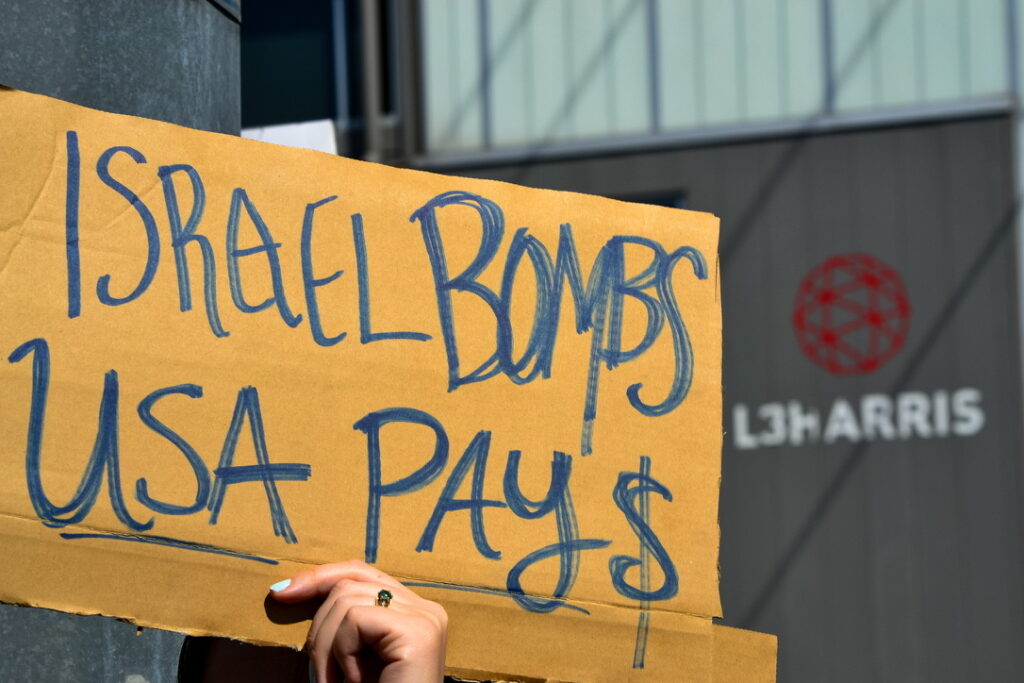
    Two years into Israel’s war on Gaza, the killing of journalists has become routine — so frequent that the world barely pauses anymore. Each headline blurs into the next: another photojournalist, another press vest, another name added to the growing list.

    On August 10, 2025, Anas al-Sharif, an Al Jazeera journalist, was killed in an Israeli airstrike. He had predicted it. In his final posts, he wrote that his work had made him a target — and yet, he refused to stop documenting. His last videos carried that eerie mix of urgency and resignation: a man who knew his truth-telling could get him killed, but who chose to keep speaking anyway.

    Just two weeks later, an Israeli airstrike hit Nasser Hospital, Gaza’s largest. Among the dead were five journalists. A hospital should be the safest place imaginable — a sanctuary of healing. Striking one, and killing reporters inside, is an unmistakable message: no witnesses allowed.

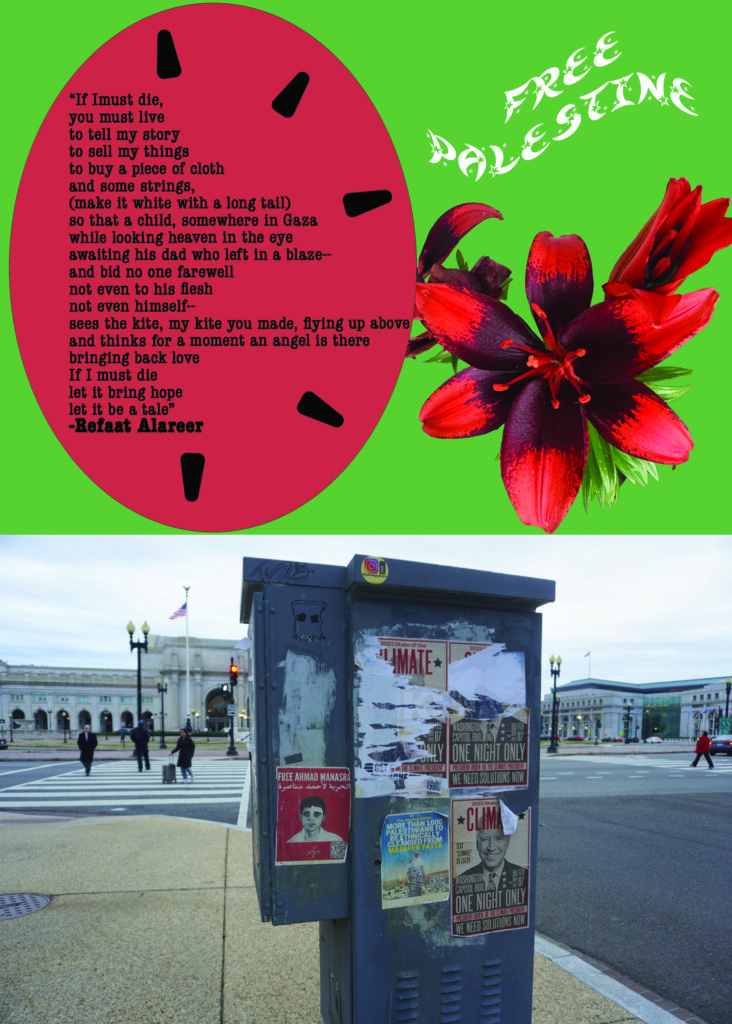
    And we can’t forget Refaat Alareer, the poet, professor, and journalist assassinated in December 2023. His poem If I Must Die became an anthem, carried like scripture across Gaza and the diaspora. “If I must die,” he wrote, “you must live to tell my story.” That was his final act of resistance — instructing us to carry the truth when he no longer could.

    Journalists, poets, teachers. Gaza has turned them into prophets of their own deaths.
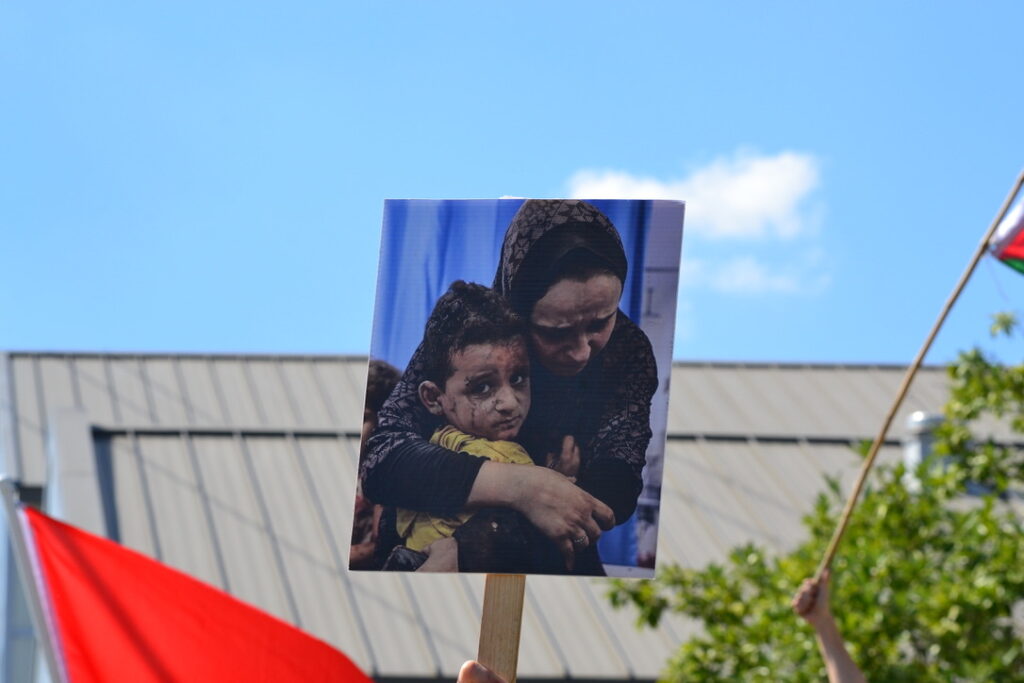
    Journalism as a Target

    By early 2025, Gaza had become one of the deadliest places in modern history for journalists. These deaths aren’t random, and they aren’t “tragic mistakes.” They are part of a deliberate strategy of erasure.

    Cameras and notebooks are treated as threats — because they are. They capture what power wants hidden: starving children, bombed schools, and the slow machinery of occupation grinding down a trapped population.

    The Committee to Protect Journalists calls it “unprecedented.” Israel has killed more reporters in Gaza than were killed worldwide in any recent year. Yet Western governments continue sending weapons and shielding Israel from accountability. The message is chillingly clear: killing journalists is permissible, as long as the story being buried serves the right interests.

    And it’s not just the bombs. When U.S. corporations fire or sue workers over pro-Palestine posts, when politicians scream “fake news” at every uncomfortable headline, when tech platforms shadow-ban Palestinian journalists — it’s all part of the same system. A global campaign to control the narrative. To silence the story before it can even be told.

    From Integrity to “Fake News”
    When I was a kid, journalism was synonymous with truth. Now, the loudest voices call every inconvenient fact “fake news.”

    We live in a world of algorithmic noise — where disinformation spreads faster than facts and propaganda outpaces empathy. I see it every day in how people talk about Gaza. Entire neighborhoods can be flattened, families annihilated, hospitals destroyed — and still, people ask for “proof.” Still, the burden of credibility falls on the victims.

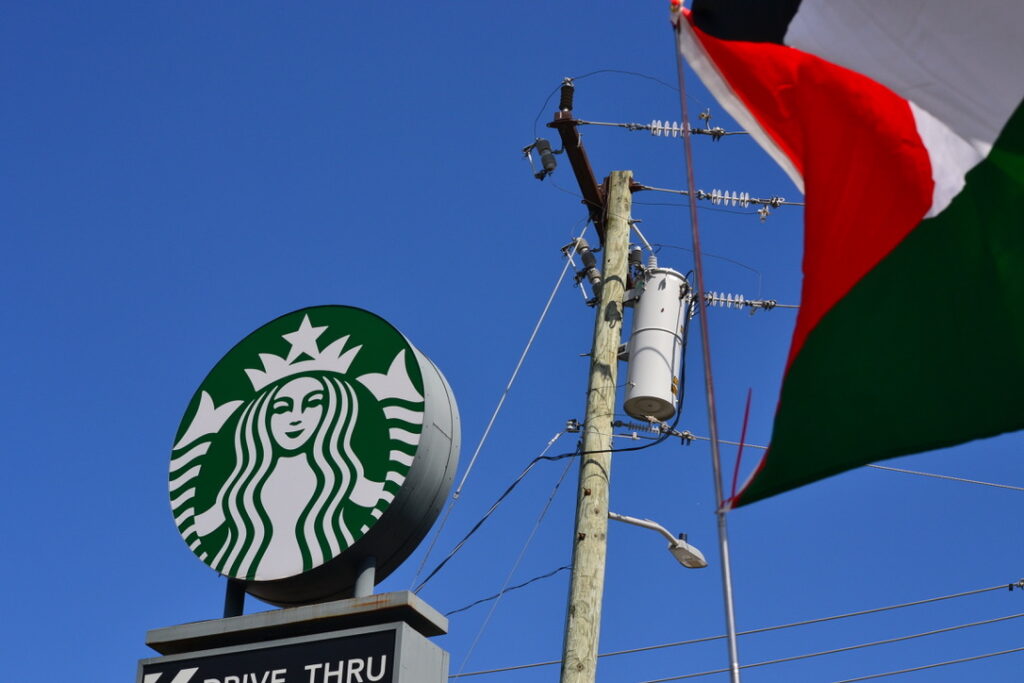
    Even here in the U.S., the rot has spread into every institution that once claimed moral ground. Starbucks, the company I work for, once marketed itself as progressive — posting about racial justice, women’s rights, and LGBTQ+ inclusion. But the minute its workers spoke out for Palestine, Starbucks sued the union for “trademark infringement.” Translation: we don’t own your labor or your conscience, but we’ll try anyway.

    That hypocrisy cuts deep. I clock in wearing the green apron knowing corporate “justice” has boundaries — and Palestinian lives don’t make the cut.

    “Civil War” and the Fiction of Safety

    When A24’s film Civil War came out last year, it hit me harder than I expected. It follows a group of American journalists navigating a country collapsing into chaos. They document atrocities, dodge bullets, and cling to the ideal that their work still matters. The film ends with the haunting reminder that truth-telling can be as heroic as it is fatal.

    But what struck me most wasn’t the danger — it was the luxury of fiction. For the journalists in Civil War, danger is dramatized, stylized, cinematic. For journalists in Gaza, it’s daily life.

    When I watch the movie’s final scenes now — journalists running through crossfire to record history — I can’t help thinking of Anas al-Sharif, or the five killed at Nasser Hospital. The film asked what would happen if American journalists became targets in a conflict zone. Gaza answers: they already are.

    In the film, the story ends with the photograph — the captured moment, the preserved truth. In Gaza, the story ends with crushed cameras, silenced voices, and hashtags replacing headlines. The fiction ends with credits; the real story ends with rubble.

    Why Gaza Matters for Journalism Everywhere
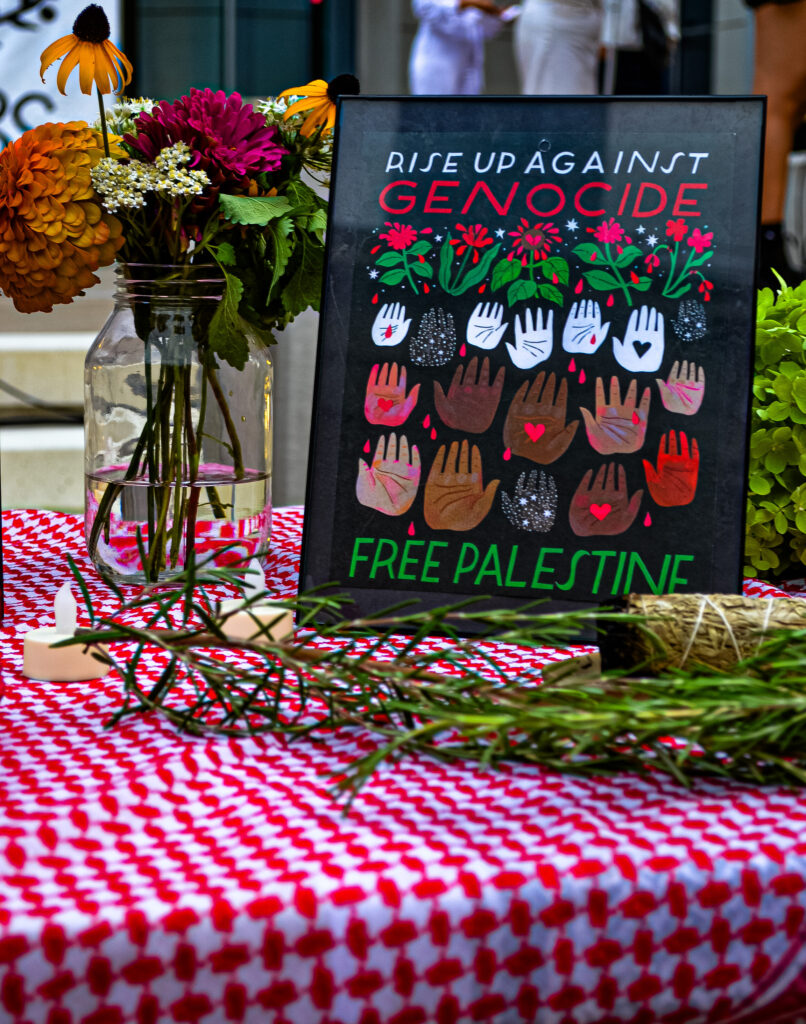
    The targeting of Gaza’s journalists isn’t just a Palestinian tragedy — it’s a global test for the future of journalism itself.

    If reporters can be killed with impunity — if “PRESS” written in bold on a vest becomes a bullseye — what message does that send to every truth-teller in the world? That truth is expendable. That bearing witness is now a crime.

    Every murdered journalist chips away at the fragile promise that information can protect us. And every government that stays silent is complicit in rewriting that promise into a threat.

    Still, amid the horror, Gaza’s journalists keep filming, keep writing, keep documenting. Their defiance is staggering. They’ve redefined what integrity looks like — not as neutrality, but as sacrifice.

    They remind us that journalism was never supposed to be safe. It was supposed to be honest.
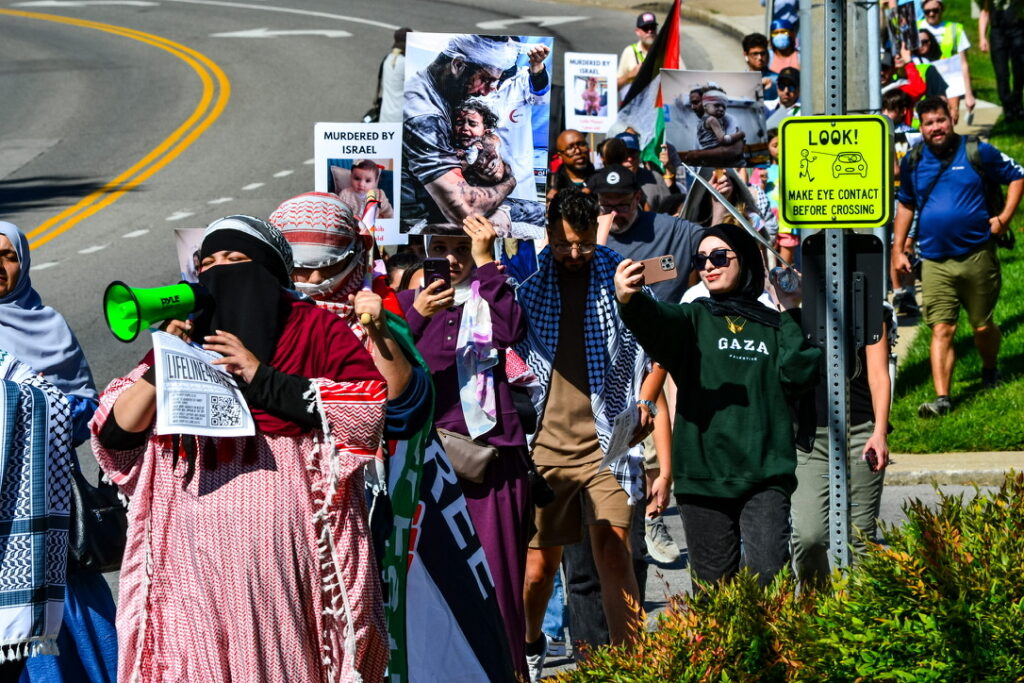
    Two Years In: The Silence of Those Who Should Know Better

    Two years in, I’ve lost count of how many vigils, protests, and memorials I’ve seen — each one holding names that shouldn’t need remembering yet. What haunts me most is the silence from people who once claimed to believe in human rights, press freedom, or moral clarity.

    Universities that once taught me about “ethics in journalism” now ban the word Palestine from campus flyers. Newsrooms that once idolized war correspondents now punish reporters for expressing solidarity. Politicians who post “Free Press” tributes every World Press Freedom Day remain mute while Israel kills hundreds of journalists.

    This silence isn’t neutral. It’s a permission slip.

    The Working-Class South and the Weight of Silence
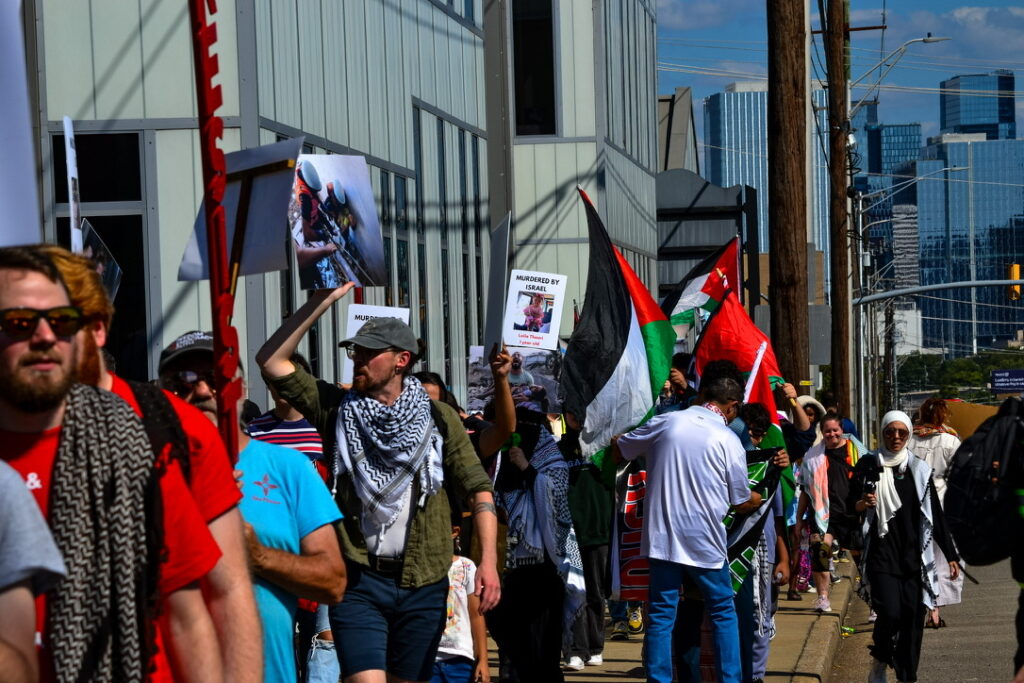
    I’m not a war correspondent. I’m a barista in Nashville trying to make rent. But I grew up in a South where post-9/11 paranoia turned neighbors into informants and “Muslim” became shorthand for “enemy.” I remember how teachers whispered about “terrorists,” how churches held “support the troops” rallies that erased every Iraqi and Afghan life. That was my first lesson in narrative control: what stories are told, and whose deaths are considered worth mourning.

    For years, silence felt safer than solidarity. It still does sometimes. But silence is how erasure thrives.

    Every time I see another journalist killed, I think about the weight of our small silences — the ways we avoid conflict at the cost of truth. For Gazan journalists, truth costs them their lives. For me, it might cost me comfort, or my job, or the approval of people who would rather not think about Palestine at all. But if we can’t risk anything for truth, then we’ve already accepted the lie.
    Journalism, Labor, and Moral Clarity

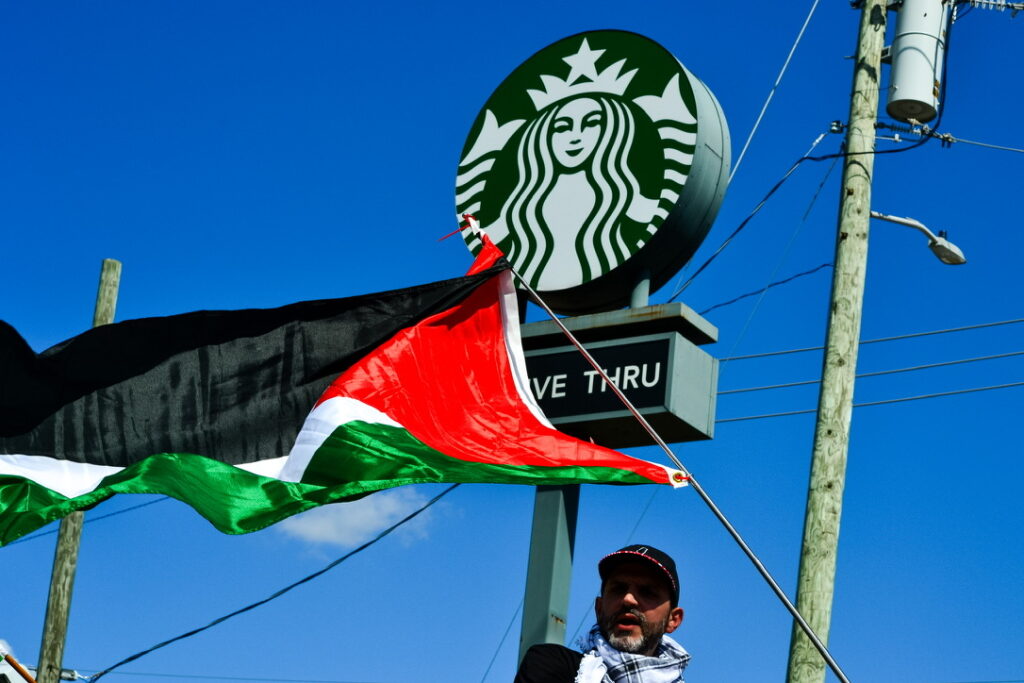
    Working in a corporate chain has shown me how language gets sanitized. Starbucks calls us “partners,” but partners don’t get sued for solidarity. The same corporate PR that wraps itself in progressive branding is often complicit in global silence — suppressing speech, punishing dissent, and watering down every moral stance that can’t be monetized.

    It’s the same logic that erases journalists: control the story, and you control perception. Whether it’s a barista or a war reporter, those who speak against power become liabilities.

    This is why the struggle for Palestinian freedom and the fight for workers’ rights feel connected. Both expose the same machinery — one that demands silence and obedience, one that rewards complicity and punishes courage. Journalism at its best resists that machinery. So does organizing.
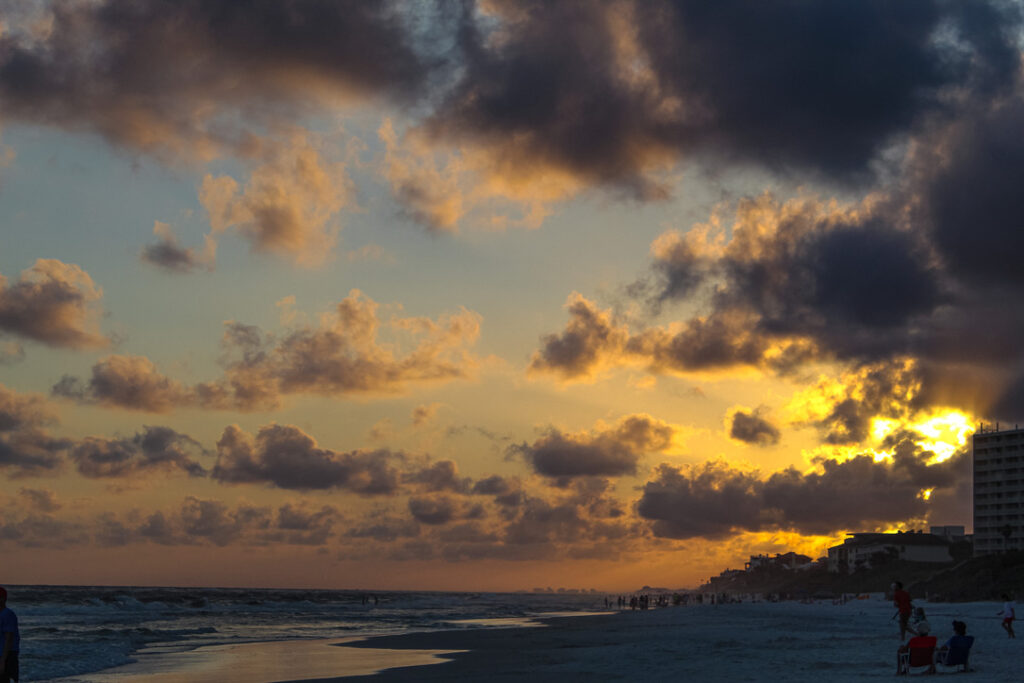
    If They Must Die

    Two years in, I keep returning to Refaat Alareer’s final line: “If I must die, you must live to tell my story.”

    It’s more than poetry. It’s a moral assignment.

    For the journalists who’ve died in Gaza — over 150 and counting — their stories cannot end with the airstrike that killed them. Each of them believed that truth was worth dying for. The least we can do is believe it’s worth living for.

    When I write, or march, or speak, I think about them. About the professors, poets, and reporters who turned truth into a final act of defiance. And I think about what it means to carry that forward from my small corner in Tennessee — where speaking up for Palestine still feels like a risk, but silence feels worse.

    Because if Gaza’s journalists can keep risking everything to show us the truth, then I can risk being uncomfortable. I can risk being loud. I can risk being called radical for refusing to look away.

    If they must die, then we must live — not just to tell their story, but to keep the kite in the sky.
  • The Prison System in Tennessee: A Cycle of Racism and Control

    The Prison System in Tennessee: A Cycle of Racism and Control

    Tennessee likes to call itself “tough on crime.” But what that usually means is locking up kids too young, targeting Black and brown communities, and pouring public money into private prisons while refusing to address the root causes of harm. Growing up in rural Tennessee, I saw punishment take priority over real support at every turn. There was a kid in my high school who came to class daily on downers — probably Xanax, which we all knew he sold. My teacher constantly pulled him into the hallway to talk, trying to keep him awake and connected. I didn’t understand then why she bothered. Later, when he disappeared from class, I learned another teacher had called the school resource officer, and he was sent to alternative school. That teacher had been shielding him. It stuck with me: our system is wired to punish kids instead of addressing why they struggle.

    That same logic stretches across Tennessee’s entire criminal legal system. The state cages Black people and migrants at wildly disproportionate rates, shuffles children into adult prisons, enforces some of the weakest gun laws in the country while claiming to be “tough on crime,” and still executes people with methods that border on torture. Layered on top of this is CoreCivic, the private prison giant headquartered in Nashville, profiting off incarceration while communities are stripped of resources. This isn’t about safety — it’s about power, profit, and control.

    Racism & Incarceration in Tennessee

    The racial imbalance in Tennessee’s prisons is staggering. Black Tennesseans make up about 17% of the population, yet nearly 44% of the state’s prison population. Migrants also face constant harassment, from ICE raids in Nashville neighborhoods to racial profiling on highways. Growing up, I didn’t need stats to notice it — the only Black and brown kids in my school were harassed constantly by local law enforcement, treated like criminals before they ever “messed up.” That early targeting teaches kids of color that the system sees them as disposable.

    This isn’t just about “who commits crimes.” It’s about who the state decides to punish, and who it protects. As the ACLU of Tennessee points out, district attorneys hold enormous power in deciding what charges stick and who gets second chances. But time and again, communities of color bear the brunt of harsher sentencing, limited diversion programs, and cash bail that keeps poor people locked up for being poor.

    And then there’s CoreCivic — the private prison giant headquartered right here in Nashville. CoreCivic has made millions by turning incarceration into a business model, profiting from longer sentences and harsher laws. A recent report showed how Tennessee’s push for harsher prison sentences directly benefits CoreCivic. In rural counties, prisons are pitched as “economic development” — jobs for locals, revenue for governments. But what that really means is that entire communities are now dependent on locking people up for survival.

    I think about how my grandfather, a defense attorney, would talk about his clients — people who had “made terrible choices” but were still human, still had a story behind what they did. As a kid, I believed even Disney villains had backstories. Compare that with the way Tennessee politics talks about crime today: no humanity, no context, just harsher sentences and more profit for companies like CoreCivic.

    The prison system here isn’t designed to make us safer. It’s designed to control, punish, and profit. And the people who pay the highest price are overwhelmingly Black, brown, and working-class.

    Kids in Adult Prisons and The Case of Jordan Norris

    One of the darkest examples of how Tennessee treats young people in the criminal legal system is the story of Jordan Norris, someone I went to high school with in Cheatham County. In 2016, Norris was strapped into a restraint chair at the county jail and tortured with a Taser more than 40 times while he couldn’t move. Video footage captured deputies shocking him again and again, while one even bragged: “I’ll keep doing that until I run out of batteries.” These weren’t moments of restraint or de-escalation. This was cruelty, plain and simple — a young man, locked down, turned into a target.

    The injuries were so severe that Norris was left with burns across his body. The United Nations went so far as to label the abuse “torture” in an official statement. Federal prosecutors eventually charged deputy Mark Bryant, who was sentenced to five years in prison for using excessive force. But even with the conviction, the punishment barely scratched the surface of what was done — not to mention the broader culture in Tennessee that made such abuse possible in the first place.

    In 2018, just two years after the torture, Norris was found dead at his home. Officials called it an overdose, and the Tennessee Bureau of Investigation said it was looking into the case. But no clear answers ever came. For many of us, it feels deeply suspicious that someone who survived that level of state-sanctioned violence died under murky circumstances, with the truth buried as quickly as the headlines faded.

    Jordan Norris should have had a chance to rebuild his life. Instead, he became another young person crushed by a system that sees punishment as the only answer. His story is not an outlier — it’s a warning about what happens when we accept a culture of control over a culture of care.

    Gun Violence Hypocrisy

    Tennessee politicians act like they want to solve violence — but their actions tell a different story. The state boasts some of the weakest gun control laws in the country even as shootings climb. Groups like Giffords report that Tennessee’s loose gun policies help enable a landscape where mass violence becomes more likely. But instead of addressing access to firearms or mental health, the narrative always circles back to punishment and repression.

    I remember where I was when the Covenant School massacre hit. The panic didn’t just focus on guns — it honed in on identity politics. The shooter was trans, and many in the media and political class used that fact to demonize trans people broadly, as though identity is a cause rather than a scapegoat. The narrative became: “Watch out for this marginalized person,” instead of asking why a state with no resources, no support, and rampant hate would produce someone so destabilized. That instinct to scapegoat identity instead of systems is part of the hypocrisy.

    Then there was the Antioch shooter, whose extremist beliefs had links to white supremacist ideology. Preliminary ADL research shows his writings reference other mass killers and extremist views, meaning this moment was not random or “senseless” — it was informed by a worldview that hates Black and brown people and glorifies violence. And yet Tennessee’s response didn’t pause to ask why someone in Nashville would absorb those ideas. It’s as though violent extremism is a “them problem,” not a reflection of structural neglect.

    Here’s what’s rarely asked: Why did these shooters exist in the first place? In Nashville, trans people are denied care, criminalized, discriminated against; Black and brown communities are policed, surveilled, and deprived. Nashville’s public schools are underfunded, mental health resources are scarce, and many growing up in vulnerability are told their only choices are silence or violence. If you feel invisible, dehumanized, and cornered, which path feels open? In both these tragedies, motive cannot be divorced from context.

    So the hypocrisy is twofold:

    1. Denying the roots — refusing to regulate guns or fund prevention, while instead doubling down on cages and punishment.
    2. Misnaming the cause — villains are drawn from identity or extremism, never from the state’s own policies that produce desperation and hatred.

    If Tennessee really cared about safety, it would stop building prisons and start building care systems — mental health, education, housing, and community support — especially where marginalized people are forced to live. Otherwise, we’re just feeding the same cycle of violence we claim to oppose.

    The Death Penalty in Tennessee

    The death penalty is one of the starkest examples of how Tennessee’s prison system isn’t about justice — it’s about punishment and control, even at the cost of basic human dignity. My grandfather worked as an attorney and defended people facing death row. He always said the most important part of his job wasn’t just arguing the law but visiting his clients before their executions. For many, he was the only person who came. That stuck with me: how isolated and abandoned people were in their final days, and how much the state relied on that invisibility to make killing them acceptable.

    This summer, Tennessee made national headlines when it executed Byron Black in the electric chair despite warnings from doctors that his defibrillator (essentially a resuscitator for his heart) would make the execution torturous. Human rights experts have long classified this kind of practice as cruel and unusual punishment, if not outright torture. But Tennessee went ahead anyway, insisting on “law and order” over even the most basic standards of humanity.

    What does it say about a state when it insists on killing a man strapped into a machine designed to keep him alive? It says that death is not about justice here — it’s about sending a message of dominance. The fact that executions continue despite international condemnation, despite concerns about medical torture, shows how deeply Tennessee clings to punishment as the cornerstone of its system.

    And just like with kids in adult prisons or gun violence, there’s a pattern: Black men and poor defendants are disproportionately sentenced to death, while wealthier people with better legal resources avoid it. My grandfather’s stories made this clear — the difference wasn’t always in the crime, but in who had money, who had connections, and who the state wanted to make an example of.

    Tennessee’s commitment to the death penalty reveals what the prison system here is really about: not safety, not healing, but control over the most vulnerable. Until we name executions for what they are — state-sanctioned torture — we can’t build an honest conversation about justice.

    Private Prisons = Profit Over People

    If you want to understand how incarceration in Tennessee really works, follow the money. The state has become a testing ground for CoreCivic, one of the largest private prison corporations in the country. Instead of treating incarceration as a social failure to be reduced, Tennessee lawmakers actively expand sentencing laws and prison contracts — policies that just happen to boost CoreCivic’s profits. As reporting shows, every time sentences get harsher, the company’s stock goes up. That’s not public safety. That’s a business model.

    The CoreCivic prison crisis is not an accident. Politicians who should be asking hard questions instead cash donations from the same company, and in return, CoreCivic gets contracts worth millions to manage overcrowded facilities. The revolving door is so blatant that it’s hard to separate Tennessee’s “tough on crime” policies from corporate lobbying. When prisons become “economic development” for rural counties, incarceration is no longer about justice — it’s about jobs for some at the expense of freedom for others.

    Private prisons also show the hollowness of the state’s rhetoric. Leaders like to talk about “efficiency,” but CoreCivic facilities are plagued with staff shortages, unsafe conditions, and human rights violations. Inmates become cheap labor, making pennies an hour while corporations cash in. Families are charged exorbitant fees for phone calls and commissary items, funneling even more money out of already struggling communities.

    I’ve heard my grandfather talk about how police and prosecutors would intimidate witnesses or rig cases, but the deeper I look, the clearer it gets: the entire system is built this way. It’s not a bug, it’s the feature. When incarceration itself becomes a profit center, every new arrest, every harsh sentence, every “tough on crime” bill is good news for shareholders.

    Tennessee has let the profit motive redefine what justice even means. As long as prisons are run for money, the people inside will be treated as commodities, not humans. And until that changes, politicians and corporations will keep feeding each other while entire communities pay the price.

    What It Really Means: Structural Violence

    At the heart of all this — from caging kids to execution to private prisons — is structural violence. Paul Farmer described it as institutions and systems causing harm by denying life necessities even without an obvious attacker. Tennessee is a living example. Instead of investing in schools, healthcare, or mental health, the state pours money into cages. Instead of tackling poverty or gun violence, Tennessee doubles down on punishment and profits.

    The consequences radiate out: Black and Brown communities are over-policed, incarcerated, and surveilled; migrants are criminalized; entire neighborhoods lose their fabric under the weight of displacement. That last point — housing — is central. Nashville is now ranked among the most intensely gentrified cities in the U.S. with skyrocketing rents and eviction pressures forcing longtime residents out, especially Black communities. The Tennessean recently noted that the “most intense” gentrification in the U.S. is happening here (May 2025) — and that’s not incidental. It’s tied to the same logic that justifies incarceration and dispossession.

    When neighborhoods get transformed for “economic development,” homes are torn down, families pushed out, and new housing built in luxury towers. For those displaced, the prison pipeline often becomes the new land of last resort. You lose your home, your support system, your stability — then the state treats your survival strategies as crimes. That’s moving people from one crisis to another.

    Natural disasters expose this even more clearly. After the 2020 Nashville tornado, speculators swooped in to buy damaged homes from families who had just lost everything, flipping them into profit machines while survivors were still struggling to recover. Bloomberg called it a textbook case of disaster capitalism — when tragedy becomes a market opportunity. The same communities targeted for land grabs after disasters are the ones most vulnerable to over-policing and incarceration. Housing instability, whether caused by gentrification or disaster profiteering, becomes another pipeline to prisons.

    I saw this as I grew up. In my rural Tennessee schooling, many from neighborhoods that were “declining” got pulled into the carceral net, while the city center got hoarded by new investment. Now those same patterns play out in Nashville: Black neighborhoods are bulldozed under the name of “revitalization,” while law enforcement and prisons expand in those very neighborhoods. Structural violence is not just about what you incarcerate — it’s about what you demolish, displace, and deny before you ever need a prison.

    In this system, crime becomes both the symptom and justification. The state creates instability (through disinvestment, displacement, lack of housing, lack of jobs), then uses that chaos to argue for more policing and prisons. That is how structural violence sustains itself.

    Until we reclaim housing, community, stability, and control over our land, the idea of “public safety” will always be a sham. The cages are built on the ruins of what was taken first.

    The Alternative: Building Beyond Cages

    If Tennessee has perfected punishment, then the real challenge is imagining — and fighting for — what could exist instead. This is where Socialist Reconstruction feels urgent. The book makes it clear that prisons don’t exist in isolation. They’re bound up with poverty, housing, healthcare, education, and labor exploitation. To dismantle them, we have to build something bigger in their place.

    For me, that vision feels personal. My grandfather’s work defending people against the death penalty showed me that even those the state condemned as “monsters” still had humanity, still had a story. He’d visit clients on death row who hadn’t had visitors in years. That kind of solidarity — simply refusing to abandon people — is at the heart of imagining an alternative future.

    So what does that future look like? Instead of sinking billions into cages, Tennessee could invest in schools, mental health care, and affordable housing. Nashville’s housing crisis isn’t accidental — it’s part of the same profit-first logic that drives incarceration. Redirecting resources toward public housing, rent control, and tenant protections would break that cycle.

    Healthcare and mental health access are just as central. How many kids funneled into “discipline” systems could have had their lives changed by trauma counseling or addiction services instead of handcuffs? How many school shootings could be prevented by confronting alienation and hate before they explode into violence?

    And labor — the backbone of it all. Tennessee has leaned into private prisons like CoreCivic because incarceration generates cheap labor and profit. Abolishing private prisons and strengthening workers’ rights flips that logic on its head: people should be paid fairly for their labor, not forced into it behind bars.

    I think often about the kids I grew up with — the ones failed by schools, locked up too young, or pushed toward crime by poverty. In a different Tennessee, they’d have had a shot at life. Quite literally, since some of them didn’t survive.

    The alternative isn’t utopian. It’s practical. It’s about directing resources where they actually keep people alive and safe. Prisons pretend to solve problems but really just bury them. The alternative is investing in life over punishment — education, housing, healthcare, mental health, and jobs. That’s the only way to build a Tennessee where public safety isn’t just a slogan, but a reality.

    Breaking the Cycle

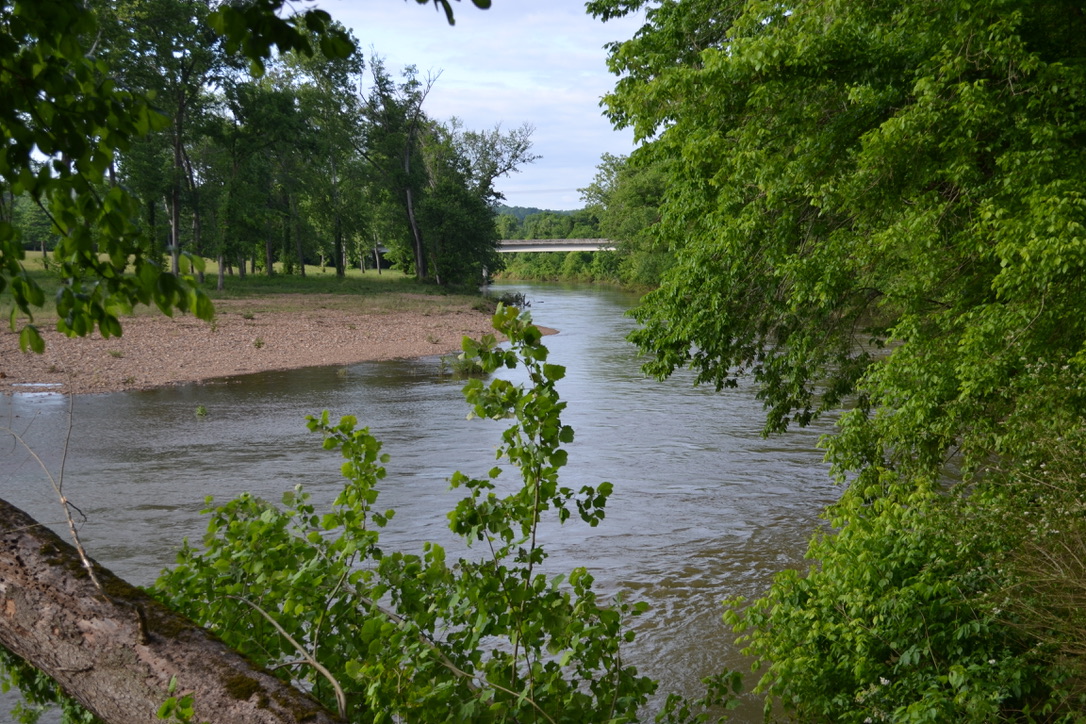
    The Harpeth River

    From kids funneled into adult prisons to people electrocuted on death row with medical devices still strapped to them, Tennessee shows how deep the commitment to punishment really runs. Add in private prisons like CoreCivic turning incarceration into profit, and a state that lets gentrification and gun violence run unchecked, and you see the same pattern everywhere: those in power would rather cage and control than invest in life.

    But none of this is inevitable. Structural violence is a choice — one made daily by lawmakers, corporations, and institutions. And if it’s a choice, then it can be unmade. The alternative is already on the table: invest in schools instead of cops in hallways, healthcare instead of handcuffs, housing instead of displacement, jobs and rights instead of prison labor.

    I grew up in Tennessee watching people be failed over and over — by schools, by courts, by politicians — and I’ve seen firsthand the human cost. Some people never made it out. That’s why this fight matters. Because every dollar poured into prisons could be a dollar spent building a world where kids are safe, where families can stay in their homes, where no one is disposable.

    The question is whether Tennessee will keep clinging to cages, or whether we’ll demand something better — and fight to make it real.

  • Freaky Tales: Oakland’s Counterculture Folklore & Working-Class Solidarity

    Freaky Tales: Oakland’s Counterculture Folklore & Working-Class Solidarity

    This post contains spoilers

    Freaky Tales isn’t just a movie – it’s folklore. It’s a set of working-class myths stitched together from Oakland’s history, music, sports, and rebellion. What looks ridiculous on the surface – supernatural kung-fu basketball revenge, spiked punk weapons glowing green, rap duos battling Too $hort on stage – isn’t about spectacle for spectacle’s sake. It’s how communities remember themselves, how counterculture takes root, and how working-class people tell their own stories when no one else will.

    Counterculture at the Core

    The film opens by showing us what counterculture really is: punk kids and a rap duo thrown together on the same Oakland street. Nazis in a pickup truck spew racist insults, trying to intimidate. Tina and Lucid (the punks) stand tall, while Barbie and Entice (the Danger Zone girls) are also targeted. And immediately, you see it: two different music scenes, both marginalized, both fighting back.

    That moment lays the foundation for the whole movie. Punk and rap are different sounds, but born from the same refusal to obey mainstream rules. When the world tells you to shut up, to water yourself down, to conform or disappear – you make noise anyway. That’s counterculture: survival as resistance, and connection across boundaries you wouldn’t expect.

    1. Punk: Armor, Solidarity, and Green Light

    At the 924 Gilman show, Tina and Lucid are surrounded by their punk family. Nazis attack, tearing up the space. But the punks regroup, strategize, and arm themselves – literally. Lucid gives Tina a spiked bracelet, calling it “Nazi-stabbing armor.” When the punks march back in, that bracelet starts glowing an eerie green as the fight breaks out.

    That glow is more than just cartoon flair, fit’s a symbol of punk’s power. Punk solidarity is messy, violent, imperfect, but it glows in the dark. I’ve felt that in Nashville pits: you fall, someone grabs your hand and pulls you back up instantly. I’ve seen Nazis embarrassed, abusers called out and humiliated, whole rooms turn against someone who tries to violate the space. That’s what the green light is. It’s punk’s invisible electricity – an unspoken force that says, we protect each other here.

    And when they finally send the Nazis running, then belt out Black Flag’s “Rise Above,” you feel the catharsis in your chest. Punk wins because it refuses to stay down.

    2. Rap: Misogyny Reversed, Voices Reclaimed

    Danger Zone’s story is just as raw. Barbie and Entice expect humiliation when they get invited to share a stage with Too $hort. He spits misogynistic lyrics, the crowd cheers him, and for a moment they shrink. It feels too familiar – being a woman, being underestimated, being sexualized or dismissed before you even open your mouth.

    Then the green light hits the mic. Barbie and Entice grab it and flip the whole cypher on its head. They don’t just defend themselves. They own the stage, silencing Too $hort and stunning the crowd.

    That catharsis is real for me. Because most of the time, when I face misogyny in my day-to-day, I can’t flip it. At work, the most I can do is make a dirty face or maybe say something under my breath. Watching Danger Zone reclaim that power felt like living out the wish I don’t usually get. The green light here represents that rare moment when women get to turn the tables, when survival becomes triumph.

    3. Pedro Pascal’s Clint: Refusal and Redemption

    Pedro Pascal’s Clint is a man trapped in a violent world who just wants out. After his pregnant wife is killed, he tries to walk away from crime. But the system won’t let him. His boss demands another job, the cops corner him, and grief eats him alive.

    The green light doesn’t appear literally in this vignette, but it’s there metaphorically. It shows up in his refusal: when the cops push him to snitch, he won’t. When the bosses pull him back, he resists. His glow is quieter, but it’s the same force – the stubborn refusal to give your oppressors what they want. And for once, Pedro Pascal actually lives to tell the tale 😩.

    The catharsis here is survival itself. Sometimes that’s all you can win, and it’s enough.

    4. Sleepy Floyd: The Worker Becomes the Legend

    Then everything collides in Sleepy Floyd’s story. In real life, Floyd dropped 51 points in a playoff game. But in this myth, Nazis murder his girlfriend mid-game, and he channels supernatural martial arts power to wipe them out. He doesn’t just win on the court; he annihilates hate itself.

    The green light here becomes a full blaze. Floyd’s powers glow as he fights back, like the bracelet and the mic before him, but turned cosmic. The punk kids tipped him off, Clint’s story crossed into his, Danger Zone’s defiance echoes in his rage. Each vignette feeds into this one, showing how solidarity isn’t just individual – it’s collective.

    Floyd ends the movie as a myth: calm, meditative, warning Nazis never to come back. The worker becomes the legend, not through NBA fame, but through the stories his community tells about him.

    Angus Cloud: Ghost in the Story

    Angus Cloud’s Travis – the Nazi gang leader – is terrifying, but also bittersweet. Angus has passed, but here he is: raw, snarling, alive. His presence is haunting. Cinema gives him immortality, even in a role of hate. He’s part of Oakland’s folklore now, woven into this messy, pulpy legend of solidarity.

    Oakland as the Hero

    None of these stories would work if they weren’t in Oakland. The city itself is the connective tissue. Punk shows at Gilman, Too $hort’s rise, Warriors games, street crime… all of it. Oakland is both backdrop and protagonist, a city that refuses to be flattened or polished. It’s gritty, joyful, violent, diverse – a mirror of the working class itself.

    The Green Light: Solidarity Made Visible

    The green light isn’t just a visual gag, it’s the film’s soul. It shows up in different forms:

    • In punk, it’s spikes turned into glowing armor.
    • In rap, it’s a mic lighting up with power.
    • In Clint’s arc, it’s a refusal burning quietly.
    • In Floyd’s story, it explodes into full-blown supernatural myth.

    It represents the moment when ordinary people, shoved down by oppression, glow with power. It’s counterculture made visible. It’s solidarity you can see.

    Conclusion: Folklore for the Working Class

    Freaky Tales doesn’t give us polished heroes. It gives us punks, rappers, outlaws, athletes. It gives us counterculture. And it shows how all these strands connect – not in theory, but in practice, in fights, in mics, in pits, in games.

    As someone who’s spent time in mosh pits and knows the sting of misogyny at work, this movie felt like a mirror and a dream rolled into one. It shows the pain, but it also shows the wins – the catharsis of punching back, stealing the stage, walking out alive.

    This isn’t satire. It’s folklore for the people. Messy, pulpy, glowing green with survival and solidarity.

  • Learning to  Trust My Gut Again

    Learning to Trust My Gut Again

    Last night, we voted to expel two people from our group. It was the right decision. They crossed boundaries, made people uncomfortable, and acted in ways that weren’t safe. But even knowing that, I still felt this weird, lingering guilt. Not because I think they deserve protection, but because I’ve been taught – conditioned – to feel bad anytime someone, especially a man, has to face consequences for their behavior. Like somehow I’m the one being “too much” or “too harsh” just for noticing the harm and not brushing it off.

    What I keep circling back to is: I knew something was off from the beginning. I felt it. I couldn’t name it yet, but my body knew. My gut knew. And I didn’t trust it. I’ve had so many experiences where I’ve been gaslit, where my boundaries were ignored, or where I was made to feel like the problem for speaking up – that I’ve learned to question myself before I ever question anyone else.

    Trauma makes you hyper-aware. It sharpens your ability to pick up on energy, on tone, on shifts in body language. You start to develop this radar for danger, for red flags, for subtle shifts that others miss. In that way, trauma can gift you with discernment. But the catch is: trauma also makes you doubt yourself. It makes you second-guess whether you’re overreacting, whether you’re reading too much into something, whether you’re going to “ruin everything” by speaking up. So you live in this weird limbo of being incredibly perceptive and also deeply unsure if you’re allowed to trust that perception.

    I want to break that cycle. I want to stop treating my instincts like liabilities.

    What made this experience different (what honestly shocked me) was that for once, the men around me took it seriously. They didn’t center the feelings of the people who caused harm. They didn’t try to talk me down or tell me it wasn’t a big deal. They didn’t make me be the one to decide what to do, or the one to deliver the accountability. They listened, they believed us, and they acted. And they did it without needing praise or asking us to perform our trauma for them first.

    It was the first time I wasn’t made responsible for someone else’s consequences.

    But before that decision was made, I felt this deep, gut-level panic… like I was going to get in trouble. Not because I did anything wrong, but because I’ve been trained by experience to expect backlash just for naming harm. That horrible feeling hit me hard: what if I’m seen as dramatic? What if I get blamed? What if speaking up ruins everything? Even in a space where people had asked for honesty, I still braced myself for punishment. Because how many times have I seen that exact dynamic play out? Harm happens, someone speaks up, and somehow they become the problem.

    So much of my life has involved trying to explain why something was wrong. Trying to convince people that I was hurt. Trying to “prove” that someone’s behavior crossed a line. But this time, I didn’t have to. They saw it. They believed it. They made the call. And that – as sad as it is to say – was revolutionary for me.

    And here’s what’s even more heartbreaking: I’m 26 years old, and this is the first time I’ve ever been in a group of men who actually handled this shit correctly. That shouldn’t be groundbreaking. That should be the bare minimum. But it floored me. It opened up something inside me I didn’t even realize was clenched shut.

    It made me realize how low my bar has been, how much harm I’ve tolerated or excused because I didn’t trust that anyone else would back me up. But this time, they did. And I can’t unsee that.

    I think a lot about my grandmother lately. She had this sense of discernment that was quiet but unshakable. She didn’t need receipts or consensus. She could feel it in her bones when someone wasn’t right. She trusted that feeling. And I want to learn to trust mine again. Not because I’m broken or paranoid, but because I know what it feels like when something is off. And I deserve to listen to that part of myself without guilt.

    This experience raised my standard. Not just for the people I organize with, but for myself. I don’t want to spend the rest of my life justifying red flags or apologizing for my boundaries. I want to live in a way that honors my gut, protects my peace, and trusts that I don’t need to carry the weight of other people’s actions in order to be “good.”

    And honestly? What we did last night matters beyond just this one situation. We helped set a standard – not just for ourselves, but for every AFAB or feminine person who comes after us. We’re showing that this kind of accountability is possible. That it doesn’t have to be revolutionary for men to take harm seriously. That people should grow up in a world where they expect men to be held accountable, not fear that they’ll be the one punished for speaking up.

    We don’t get to rewrite the past. But we do get to model something better. We get to create the environment we all deserved to grow up in.

    And now that I’ve seen it, I won’t settle for anything less.

  • Filling in the Gaps: Editing the 2010 Tennessee Floods Wikipedia Page

    Filling in the Gaps: Editing the 2010 Tennessee Floods Wikipedia Page

    This week, I edited a Wikipedia article for the first time – and to my surprise, it felt emotional.

    I grew up in Pegram, Tennessee, and in May of 2010, our town was hit hard by a flood. I was stuck at Girl Scout camp when it happened, with no cell service or power for days. I couldn’t contact my family at all, and no one could pick me up because roads were flooded or unsafe. When I finally got out, I had to stay with my aunt and then my grandparents. My neighborhood had been flooded in. I didn’t return home for over a week. When I did, most of the homes on my street were completely destroyed. The entire neighborhood reeked of mold and decay. It was a devastating time for my family and community, and it left an imprint on me that hasn’t faded.

    So when I noticed that Pegram wasn’t even mentioned on the Wikipedia page for the 2010 Tennessee floods, it stung. Like the pain of it had been erased.

    That’s what motivated my edit.

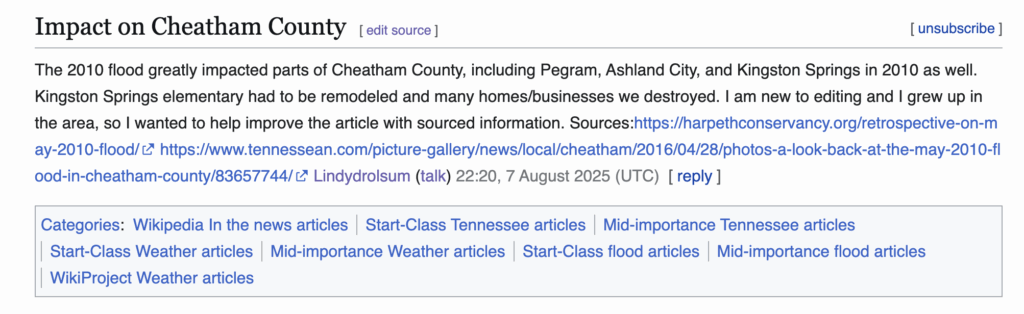
    I created a new section on the Wikipedia page titled “Impact on Cheatham County” and added a few sentences about how the flood affected areas like Pegram, Ashland City, and Kingston Springs. I found two credible sources – one from the Harpeth Conservancy and one from The Tennessean – that documented the damage to Kingston Springs Elementary and other buildings. I also posted in the article’s Talk section explaining that I was new to editing and that I grew up in the area and wanted to help improve the article with sourced information.

    The 2010 flood greatly impacted parts of Cheatham County, including Pegram, Ashland City, and Kingston Springs in 2010 as well. Kingston Springs elementary had to be remodeled and many homes/businesses we destroyed. I am new to editing and I grew up in the area, so I wanted to help improve the article with sourced information. Sources:https://harpethconservancy.org/retrospective-on-may-2010-flood/ https://www.tennessean.com/picture-gallery/news/local/cheatham/2016/04/28/photos-a-look-back-at-the-may-2010-flood-in-cheatham-county/83657744/ Lindydrolsum (talk) 22:20, 7 August 2025 (UTC)

    (Here’s a screenshot of my edit in progress – you can also view it live on the Wikipedia page here.)

    Editing the article made me realize just how many stories are missing from our shared memory. Wikipedia feels neutral on the surface, but what gets left out tells a story too. It felt powerful to bring even a small part of my community’s truth into that space. My neighbors mattered. Our losses mattered. And now, they’re not invisible on one of the most-read websites in the world.

    I also learned how much work goes into maintaining Wikipedia’s standards for citations and neutrality. Even though I was adding something I personally experienced, I couldn’t rely on memory alone. I had to track down news articles and nonprofit archives to back up what I remembered. It reminded me how important it is to blend lived experience with verifiable sources – and how often community knowledge is left out simply because it hasn’t been formally documented. This experience made me want to contribute more, not just as a reader but as someone who cares about whose stories get remembered.

    Wikipedia is far from perfect, but it’s built by people like us. That means we can shape what it says. I’m proud of the small change I made, and I hope it inspires someone else from a forgotten corner to do the same.

  • Who Really Owns the Modern Public Square? (Because It’s Not Us)

    Who Really Owns the Modern Public Square? (Because It’s Not Us)

    Social media platforms love to market themselves as digital “town squares,” but let’s be real: if the town square is run by billionaires, are we actually free to speak? After reading about how platforms like Facebook and Instagram are axing fact-checkers and sneakily adding political figures to people’s follows without consent, it’s hard not to feel like the rug is being pulled out from under us. This isn’t democracy, it’s a privatized simulation of one.

    The BBC reported that Meta laid off dozens of fact-checkers just months after Trump’s accounts were reinstated. The New York Times even highlighted how some users were suddenly following him without ever clicking “Follow.” If that doesn’t scream manipulation, I don’t know what does. These changes make it clear that power isn’t in the hands of users. It’s centralized at the top, owned and controlled by the same wealthy few who benefit from keeping us divided and misinformed.

    The Supreme Court once ruled that social media is part of the “modern public square” in Packingham v. North Carolina, but that idea becomes laughable when you realize that the square has velvet ropes, corporate bouncers, and constantly shifting rules. When platforms act as arbiters of truth (or choose not to), and when they selectively enforce rules based on profit or politics, what kind of “square” are we actually standing in?

    The Free Speech Project’s section on “The New Public Square” explains how deeply flawed this setup is. Our most important conversations – about politics, justice, identity – are happening in spaces that can silence us without notice or recourse. It’s not just about censorship; it’s about ownership. Who owns the platforms where we connect? Who controls the code, the reach, the algorithm?

    Monahan (2025) argues for platform portability, which I think is actually a solid start. If we had the ability to move our communities (comments, posts, mutuals) to new spaces that weren’t run by tech monopolies, we’d be less trapped. Right now, trying to leave Instagram or Twitter feels like social exile. Even “decentralized” platforms like Mastodon or Bluesky have their own flaws and learning curves, but they’re a step toward community-owned models.

    For me, this stuff hits hard because I use these platforms to organize, learn, and build relationships. But I also know how fragile it all is. Posts get shadowbanned, accounts get deleted, and algorithms decide who sees your work. I’m more intentional now about saving my writing elsewhere (like on my personal blog), seeking out alternative platforms, and talking to people about media literacy in real life. I’m also constantly asking: is this platform working for us – or are we working for it?

    Another angle that’s important to me is how content creators are being affected. A lot of people I know (myself included) rely on these platforms for creative expression or freelance work, and yet we barely exist in policy or protections. As one Washington Post article points out, creators are part of a $250 billion industry, but are treated like disposable gig workers. That’s why when people talk about free speech online, we also have to talk about labor and exploitation. If the digital public square is built on our content and our attention, then we deserve more control over how it operates.We deserve a digital public square that’s actually public – not owned by the highest bidder. Until then, we have to keep naming the problem and building new spaces where our voices aren’t just allowed, but truly heard.

  • Unionizing in Real Life vs. Unionizing with ChatGPT: The Heart is Where the Barista is

    Unionizing in Real Life vs. Unionizing with ChatGPT: The Heart is Where the Barista is

    My most recent blog assignment had me do something I didn’t expect. We were asked to test how well ChatGPT could write about something I actually know intimately. Just yesterday, I signed my union authorization card with Starbucks Workers United, so I chose to have the AI write a blog post about the process of unionizing a Starbucks from a barista’s perspective. I wanted to see if a machine could capture the reality — the emotions, the risk, the conversations, the strategy — of what it actually feels like to organize in a corporate environment like this one.

    The original post wasn’t terrible. Structurally, it made sense. It hit most of the steps: talking to coworkers, reaching out to SBWU, filing with the NLRB, and facing union-busting tactics. But that’s about where it stopped. The tone was a little too polite, too clean, and too detached from what it feels like being overworked, disrespected, and retaliated against just for demanding a voice. It didn’t mention how some of us get pulled into 1-on-1 anti-union meetings or how management bribes and manipulates people. It didn’t get the rage or the hope, the false promises.

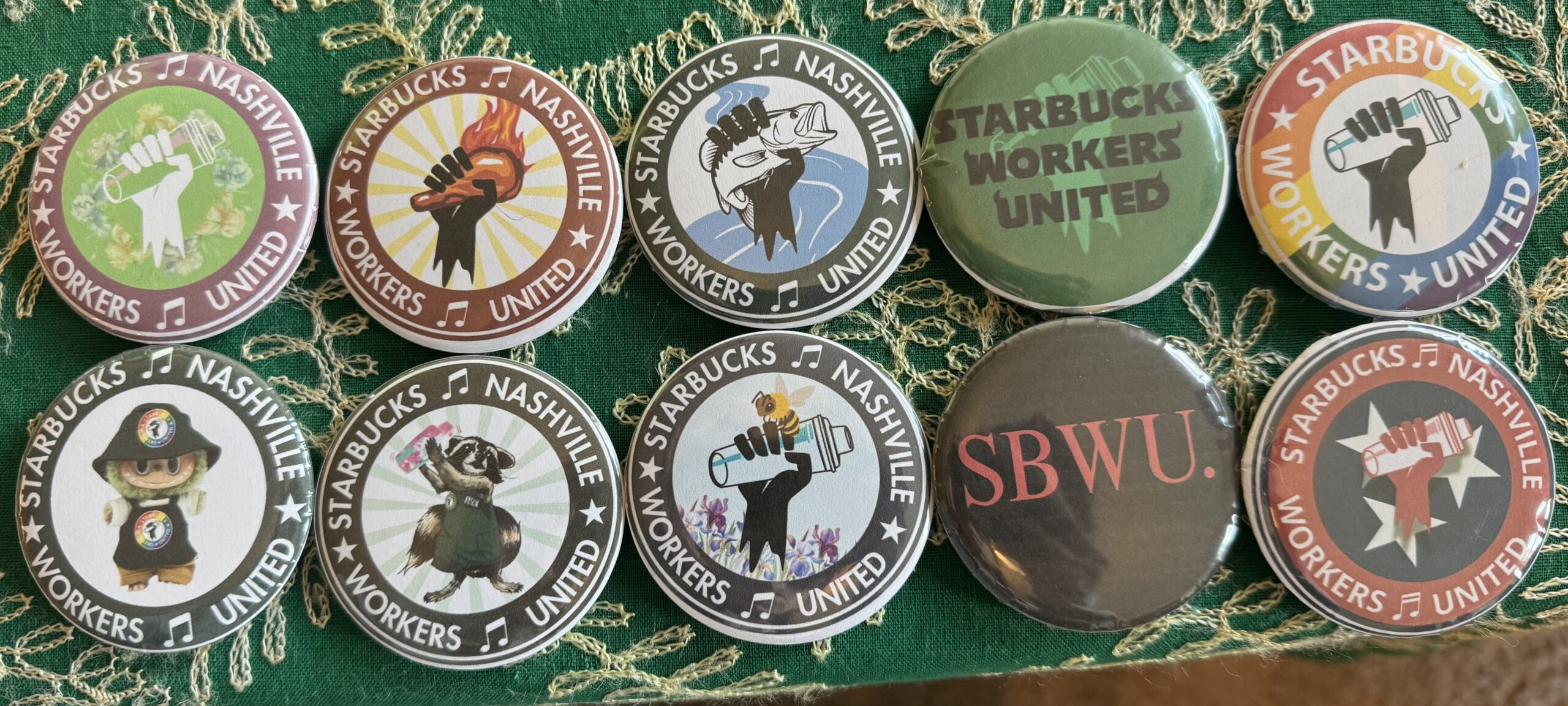
    So I revised it in Suggesting mode on Google Docs. I added hyperlinks to credible sources, rewrote whole sections in my own words, and even added a photo I took of our union pins made by baristas in Nashville. I fact-checked every major claim. Some parts were right, others needed heavy edits. What I learned is this: ChatGPT is a useful jumping-off point, but not a reliable storyteller (especially when the story is about real people taking real risks). There was no possible way for AI to describe what the process looked like for our store and what we felt like. 

    The scary thing is, this is exactly how misinformation (such as union-busting) can easily be spread. AI provided a generalized and depersonalized version of something that quite literally changed my life for the better. Without my experience, the whole story felt phony. The future of misinformation is uncertain when we take into account the impact AI will have. Despite this, one thing is clear to me: AI has the ability to exponentially increase the spread of misinformation in American media.

    Here’s the final version of my Google Doc: https://docs.google.com/document/d/1fho1zpuRcRf4Q0DO9ySNC4b4Z9h-HSd-IMQBgcvUSf0/edit?usp=sharing 

    And here’s a link to ChatGPT, the tool I used to generate the original text.

  • Introducing Our Podcast: Neurologically Impaired

    Introducing Our Podcast: Neurologically Impaired

    This week, I wanted to use the video assignment to introduce a project that means a lot to me: our podcast. It’s still in its early stages, but it already feels like one of the most honest things I’ve done creatively. The idea came out of a conversation with one of my best friends, where we realized we’ve both been shaped by growing up working-class in the South, living through trauma, and finding our way through it with humor, grief, rage, and a little bit of neurological impairment.

    The podcast isn’t just us ranting (although there’s some of that). It’s about building a space where people who’ve been overlooked – queer folks, poor folks, neurodivergent people, people who’ve been through it – can see themselves reflected. We talk about everything from growing up around addiction and austerity to navigating college as nontraditional students, and how we stay grounded in organizing and community care. It’s political, but also personal. We want it to be messy, real, and maybe even healing.

    I used this video assignment as a chance to reflect on why this podcast matters, and what we hope to build through it. If you’ve ever felt like the world wasn’t made for people like you, but you’re still here (still loud, still dreaming) you’ll probably get it.

  • Eat the Rich, but Make It Absurd: What Triangle of Sadness Gets Right About Capitalism. And Why It Hits Harder Now Than Ever

    Eat the Rich, but Make It Absurd: What Triangle of Sadness Gets Right About Capitalism. And Why It Hits Harder Now Than Ever

    This post contains spoilers

    There’s this moment in Triangle of Sadness where a wealthy woman insists the yacht crew take a break and go for a swim, even though they clearly don’t want to. She frames it as an act of kindness, a morale boost. But it’s not about the crew’s well-being. It’s about her own comfort in feeling like a good person.

    That scene stuck with me because it mirrors so much of what capitalism trains us to do: to perform care, to pretend power doesn’t exist, to wrap exploitation in a smile and a compliment.

    Ruben Östlund’s 2022 film is more than just a satire of the 1%. It’s a slow-burn autopsy of how capitalism scripts our relationships: between workers and bosses, between partners, between humans and our own worth.

    I’m not exaggerating when I say it made me laugh, wince, and want to unionize a yacht crew all in one sitting.

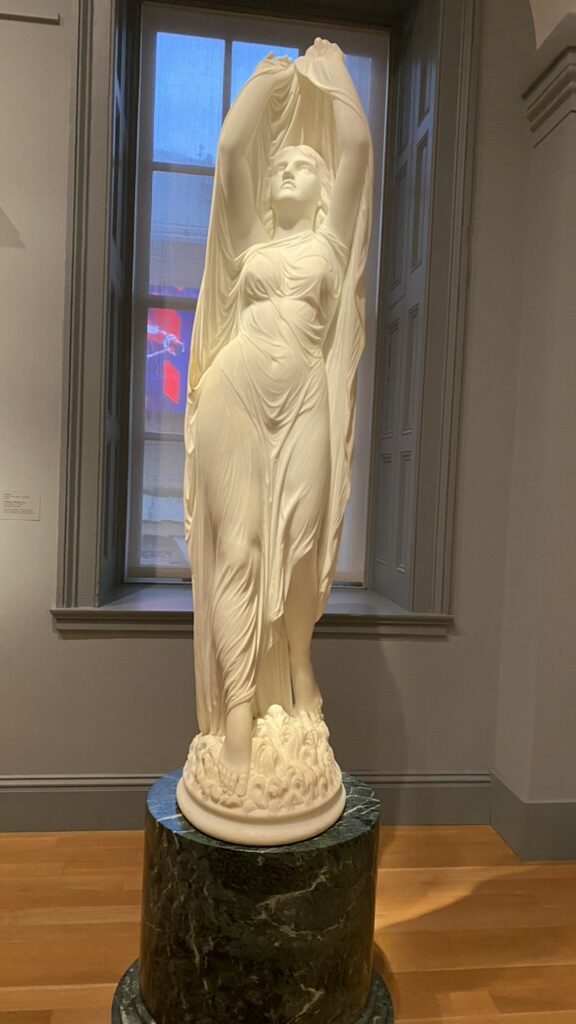
    statue of lady

    At the start of the film, beauty is the main currency. Carl, a male model, is underpaid and insecure, constantly reminded that his value comes from looking good but not taking up space. Yaya, his influencer girlfriend, profits from the same system but understands how to play the game better. Their relationship is transactional from the jump, and Östlund doesn’t let us forget it.

    Later, we meet a parade of cartoonishly wealthy passengers: a British couple who made their fortune in land mines, a tech bro who calls himself the “King of Shit” because he sells fertilizer, and a woman obsessed with luxury who demands the ship’s sails be cleaned (despite it being a motor yacht). These aren’t exaggerations. They’re mirrors – grotesque reflections of real power, real exploitation, and real delusion.

    But then we get to the infamous dinner scene on the boat – and everything unravels.

    It’s grotesque, graphic, and honestly kind of glorious. A storm rocks the yacht while passengers, stuffed with oysters and caviar, start vomiting uncontrollably. Toilets back up. Shit and seawater flood the hallways. People in $10,000 dresses are slipping in their own filth. It’s chaos… and it’s cathartic. Watching the rich suffer through a very literal reckoning with their own excess felt like a twisted kind of justice. For once, they couldn’t buy their way out of it.

    And while bodies hit the floor, Woody Harrelson’s character, Captain Thomas Smith, locks himself in his quarters and launches into a drunken intercom quote war with Dimitry, a Russian fertilizer tycoon.

    “From each according to his ability, to each according to his needs.”

    – Captain Smith (quoting Marx)

    “The world will know that free enterprise has found a safe haven on this ship!”

    – Dimitry, King of Shit

    They’re shouting capitalism vs. socialism while passengers literally drown in sewage. It’s laugh-out-loud absurd and painfully accurate. The captain later admits, “I’m a bad socialist, and a worse capitalist.” Honestly? Same. So many of us are stuck trying to survive systems we hate, trying to hold on to ethics in structures that chew through them. His cynicism is disarming, but also real.

    He’s not pretending to be a hero. He’s just naming the rot before it sinks.

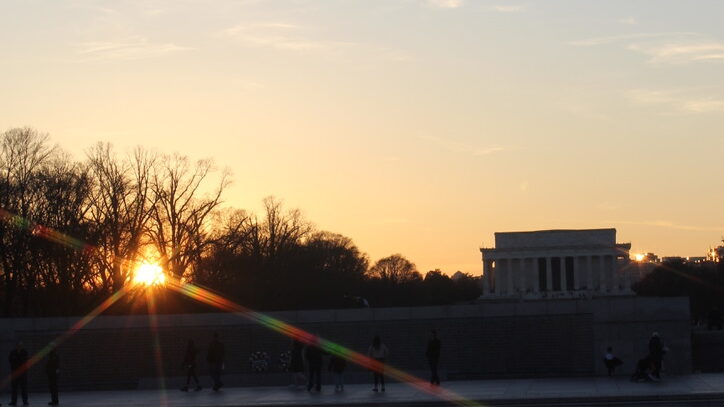
    lincoln memorial sun rays

    One of the most powerful (and least laughable) moments in Triangle of Sadness comes during the storm, when Captain Thomas Smith (played by Woody Harrelson), drunk and barricaded in his quarters, starts naming names. Between slurred Marx quotes and sarcasm, he drops something raw:

    “They killed Martin Luther King.

    They killed Malcolm X.

    They killed the Kennedys…”

    It lands like a record scratch in the middle of chaos. And here’s the thing: he’s not wrong.

    The U.S. government didn’t just fail to protect these figures. In each case, it was either complicit, infiltrating, or actively working against them:

    • Martin Luther King Jr. was relentlessly harassed by the FBI under COINTELPRO. They wiretapped his phones, sent him blackmail letters, and pushed him toward suicide. In 1999, a civil trial jury found government agencies liable for his assassination – confirming it wasn’t just James Earl Ray acting alone.
    • Malcolm X was heavily surveilled by the FBI and NYPD. The government stoked division within the Nation of Islam, infiltrated his inner circles, and withheld evidence during the trial of his killers. Two men were exonerated in 2021 after spending decades in prison, and his family has since filed a lawsuit accusing government agencies of orchestrating a cover-up.
    • John F. Kennedy was assassinated after clashing with the CIA over Cuba and Vietnam. Over 15,000 records related to his death remain partially classified, fueling suspicions about CIA involvement – especially after JFK expressed his desire to “splinter the CIA into a thousand pieces.”
    • Robert F. Kennedy was shot in 1968 shortly after winning the California primary and new evidence has cast doubt on whether Sirhan Sirhan acted alone.

    So when the captain starts naming these names, he’s not spouting conspiracy; he’s unmasking the empire.

    And then he shifts outward. He starts listing countries: Vietnam, Chile, Iraq, Libya, Grenada, Nicaragua. Countries where the U.S. installed puppet regimes, trained death squads, orchestrated coups, and dropped bombs – all in the name of “freedom.” He’s calling it what it is: American imperialism.

    But the brilliance of the scene is in the setting. He’s speaking this truth while his ship sinks. While the rich vomit. While Dimitry, the Russian oligarch, yells about free enterprise. The empire is crumbling, and that’s when the confession comes. Not in the halls of power, but behind a locked door, half-drunk, over an intercom.

    It’s Östlund’s way of telling us: even the truth, when it comes too late, can’t save us.

    Naming the rot isn’t enough if the structure is still standing.

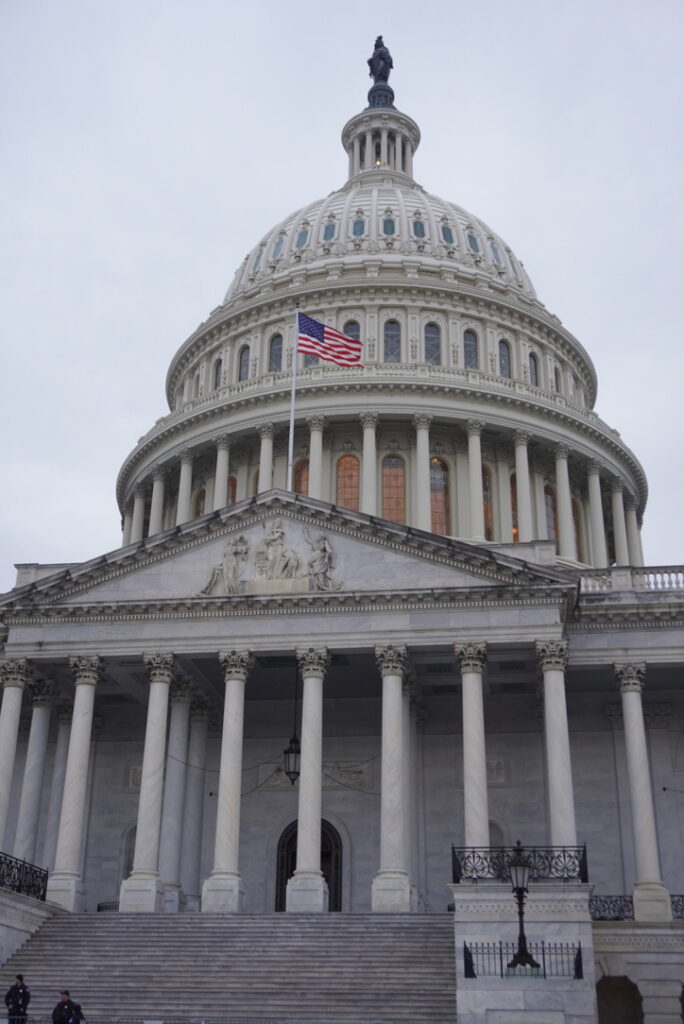
    capitol building, washington DC

    After the shipwreck, the survivors find themselves stranded on a deserted island. Suddenly, everything flips. The billionaires are helpless. Their money is meaningless. They can’t fish. They can’t make fire. They can’t even open a bag of chips without assistance. The only person with real survival skills is Abigail, a cleaning woman from below deck.

    She becomes the leader. And quickly, she begins to replicate the power structures she once served under. She hoards food. She demands loyalty. She trades resources for sex. She is no longer invisible. She’s in charge. And yet… it’s not liberation. It’s a cycle repeating itself with different faces. Östlund doesn’t hand us a feel-good reversal.

    He warns us – the problem isn’t just who holds power. It’s how power is structured. How it commodifies care, exploits labor, and isolates people from their own humanity.

    waves with sunset

    What makes Triangle of Sadness hit harder now is how close it feels to reality.

    We’re living in a moment where billionaires fund wars, hoard vaccines, buy up entire neighborhoods, and then post sad-boy tweets about how lonely they are. Jeff Bezos builds dick rockets while Amazon workers pass out from heat. Elon Musk claims “free speech” while suppressing Palestinian voices and platforming racist conspiracies. Bill Gates preaches about sustainability while quietly owning private jets, farmland, and entire food systems.

    They’re not just hypocrites. They’re the real-world Dimitrys. Shoveling shit and calling it fertilizer.

    And right here in Tennessee, it’s playing out in real time. In Memphis, Elon Musk’s company xAI is building a massive, gas-powered data center that will pollute the air and overburden local utilities – all without community input. Despite overwhelming local opposition, Musk’s team is steamrolling ahead, threatening to burn fossil fuels in a city already bearing the brunt of environmental racism. It’s the same pattern: billionaires exploit land, poison poor communities, and dare us to call it innovation.

    In Nashville, billionaires like John Ingram and Bill Haslam bankroll charter schools, privatize public space, and sell gentrification as “revitalization.” They show up to ribbon cuttings while the people they priced out sleep in tents under overpasses. We’re told this is progress. We’re told to be grateful.

    Meanwhile, most of us are living paycheck to paycheck, dodging medical bills, watching our communities get hollowed out and our time get stolen. We’re surviving systems that are built to fail us and pretending it’s normal. The absurdity in Triangle of Sadness isn’t exaggerated. It’s just stylized.

    The vomit is real. We’re living in it.

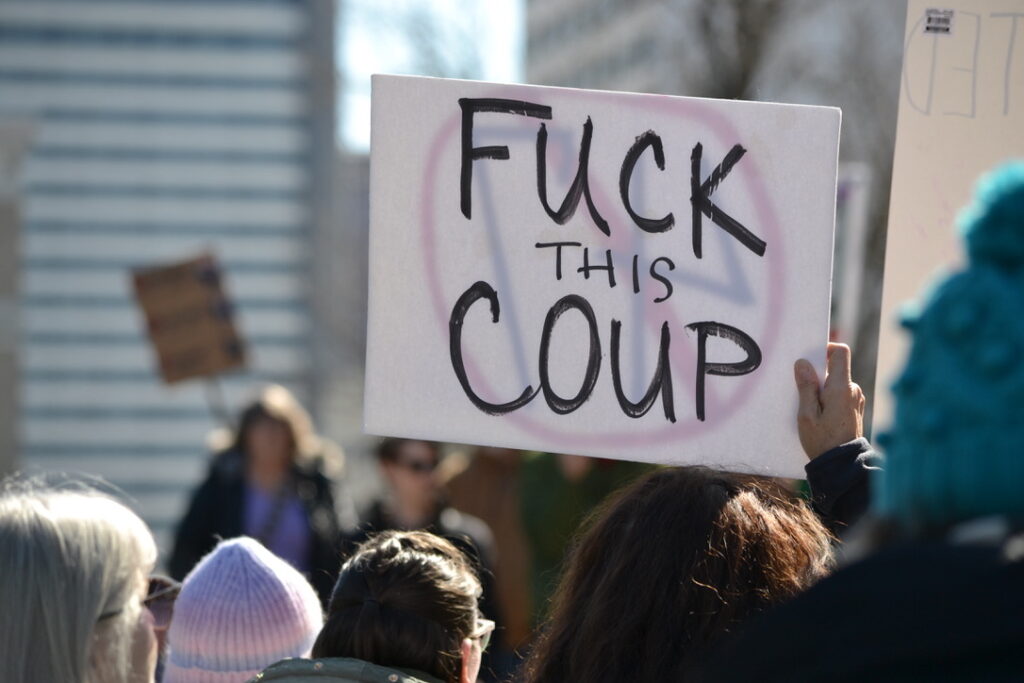
    fuck this coup

    The third act of Triangle of Sadness shifts the film from satire to something closer to survivalist parable. It strips capitalism down to its bones and asks: What’s left when the system collapses? Who holds power when money means nothing? The island becomes Östlund’s sandbox for testing how far social hierarchies are willing to bend, or how quickly they rebuild themselves.

    One of the most revealing moments comes when Abigail, the former cleaning woman turned de facto leader, says to Carl:

    “I’m the captain now.”

    It’s a quiet assertion of power, but it lands hard because we’ve seen who Carl is willing to betray just to stay in her favor. Yaya, his girlfriend, is losing him. Not because of love, but because Abigail controls the food. That’s what Östlund gets so right: under capitalism, everything becomes transactional. Even relationships. Even desire.

    There’s another haunting moment when Yaya suggests hiking inland to look for help. Abigail hesitates. We can feel her fear – not of the unknown, but of losing the power she never had before. What happens to people who’ve been invisible when they suddenly have leverage? The film doesn’t offer judgment – it just lets the discomfort hang there.

    And when Yaya tells Abigail, “You’d make a great assistant,” it’s not just a slip-up. It’s a reminder that even in crisis, rich people still expect to be served.

    These aren’t just scenes, they’re warnings. Warnings about what happens when systems collapse without transformation. Warnings about how quickly people (any of us) can replicate the same violence when given the same tools. The island isn’t an escape from capitalism. It’s just a stripped-down version of it.

    You can only laugh at absurdity for so long before it becomes unbearable.

    Triangle of Sadness is hilarious, but it’s also horrifying – because it holds up a mirror and says: You already know this world. You’ve worked in it. You’ve suffered under it. You’ve played nice in it to survive.

    And that mirror is especially sharp for working-class people: folks like me, like my friends, like most of Nashville. We know what it’s like to clean up someone else’s mess, to smile while being humiliated, to be called “essential” and treated as disposable. Watching the rich flail, suffer, and panic is cathartic; not because we’re cruel, but because we’re starved of justice.

    In real life, we watch billionaires do harm and face zero consequences. Musk gets away with silencing journalists. Bezos thanks workers “for paying for this” after launching himself into space. And then there’s J.K. Rowling: a once-beloved author who now uses her platform to spread anti-trans rhetoric while claiming she’s the one being silenced.

    Rowling built her career on stories about resistance and outsider power… but when actual trans and nonbinary people ask for basic safety, she mocks us online and aligns herself with far-right hate campaigns. Her 2020 novel even features a villain who cross-dresses to commit violence. It’s not just a betrayal. It’s a warning: wealth doesn’t just corrupt – it insulates and radicalizes.

    That’s why satire like Triangle of Sadness matters. It doesn’t just mock power. It shatters the illusion that power is natural, deserved, or permanent. And once that illusion breaks, something else becomes possible – something built from the bottom up, not handed down from the captain’s deck.

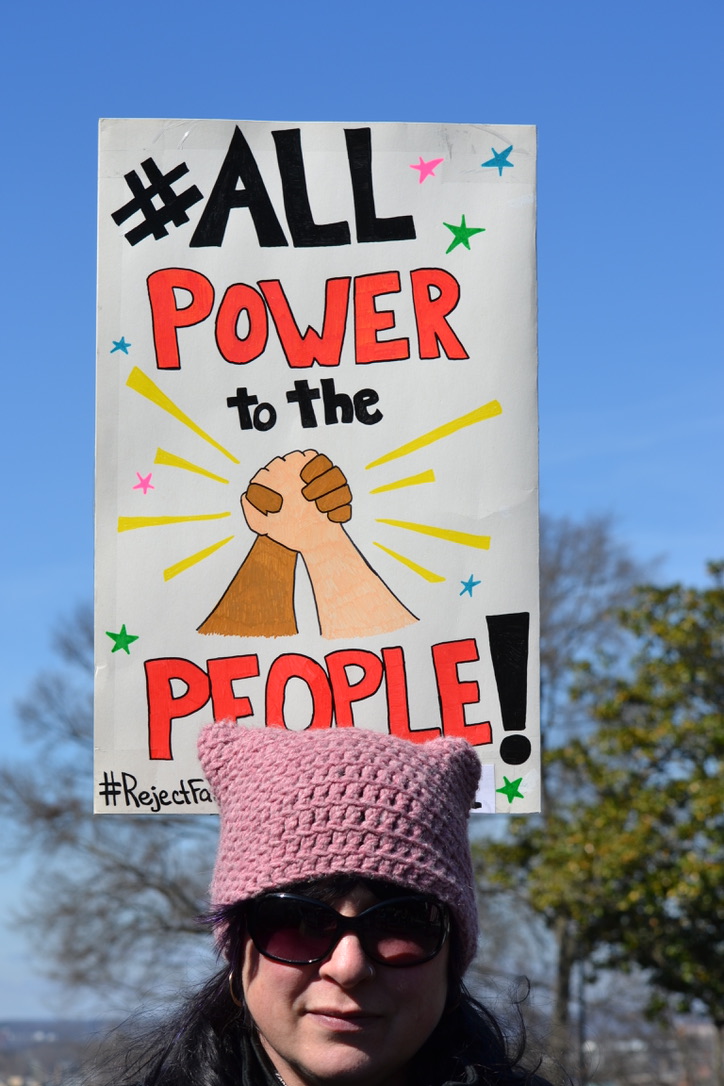
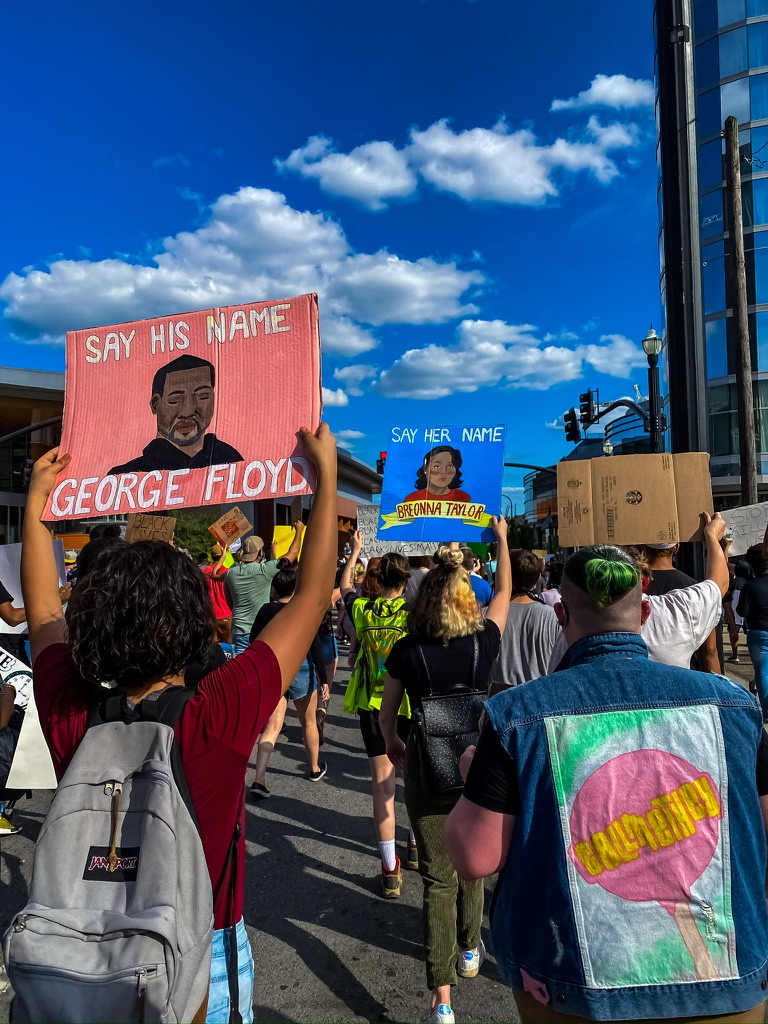
    protesters line a the streets with blue sky in background, nashville
  • It Looks Real… But It Ain’t: Skating the Edge of the Uncanny Valley

    Lately I’ve been thinking about the weird gut reaction we have to AI-generated images, especially the ones that almost look real. It’s called the “uncanny valley,” and it’s that off-putting feeling you get when something is trying to pass as human but misses the mark. You can’t always explain it, but your brain knows. The shadows don’t land right. The skin’s too smooth. The eyes are glossy or blank. Something’s just… off.

    And maybe it’s not just a tech issue. Maybe it’s emotional.

    original photo by me – taken in Nashville, May 2023.

    This photo I shot last summer (on May 30, 2023, in Nashville) isn’t perfect. The lighting is harsh, the pose is caught mid-flail, and you can feel the sweat and speed. But it’s real. You can sense the movement, the sun, the feeling of a skater practicing tricks on a quiet road surrounded by open fields. There’s something about capturing a moment like that that AI still can’t touch.

    Stock photo from Unsplash – licensed under Creative Commons CC0

    Out of curiosity, I found a similar image on Pexels. The pose is smoother. The background is cleaner. But it feels more like a stock photo than a captured memory. Then I asked DALL·E to generate a version of that scene – a skater mid-air in a photorealistic landscape. What came back was wild. It actually terrified me. The picture of an AI figure who looked eerily similar to my skateboarding cousin still felt off. While it was creepily accurate, the smoothness and perfection of the “photo” is clearly fake compared to the one I took.

    AI-generated image using DALL·E 3 – based on my original photo

    And here’s the thing I’ve been talking about with people my age: we can always tell. Maybe it’s because we grew up in the age of deepfakes, face filters, and Instagram illusions, but Gen Z has a pretty sharp BS meter when it comes to visuals. It’s not even just about technical flaws. You can feel when an image or a video isn’t grounded in reality.

    But our parents and grandparents? Totally different story. My friend’s grandma will watch an obviously AI-generated TikTok of a fake Biden and be like, “Wow, I can’t believe he said that.” And it’s not her fault, she just didn’t grow up developing that visual literacy. For her, if it looks like video, it must be real.

    That generational gap matters. Because as AI gets better at simulating authenticity, those most at risk of being manipulated are often the least equipped to spot the cues.

    The uncanny valley isn’t just visual. It’s emotional. It’s cultural. And right now, it’s a reminder that real, human-made media still hits different. We know when something has soul, and when something is mimicking it.

    Image Credits:

    • Original photo: “Skater in motion, Nashville 2023,” by Lindy (taken 5/30/2023).
    • Stock photo: “Man in Blue and White Plaid Dress Shirt Riding Skateboard” by cottonbro studio, via Pexels.
    • AI image: Generated using DALL·E with the prompt: “a boy doing an olly on a skateboard on a blacktop parking lot in front of a backdrop of a blue sky with clouds and a meadow with a tree line”