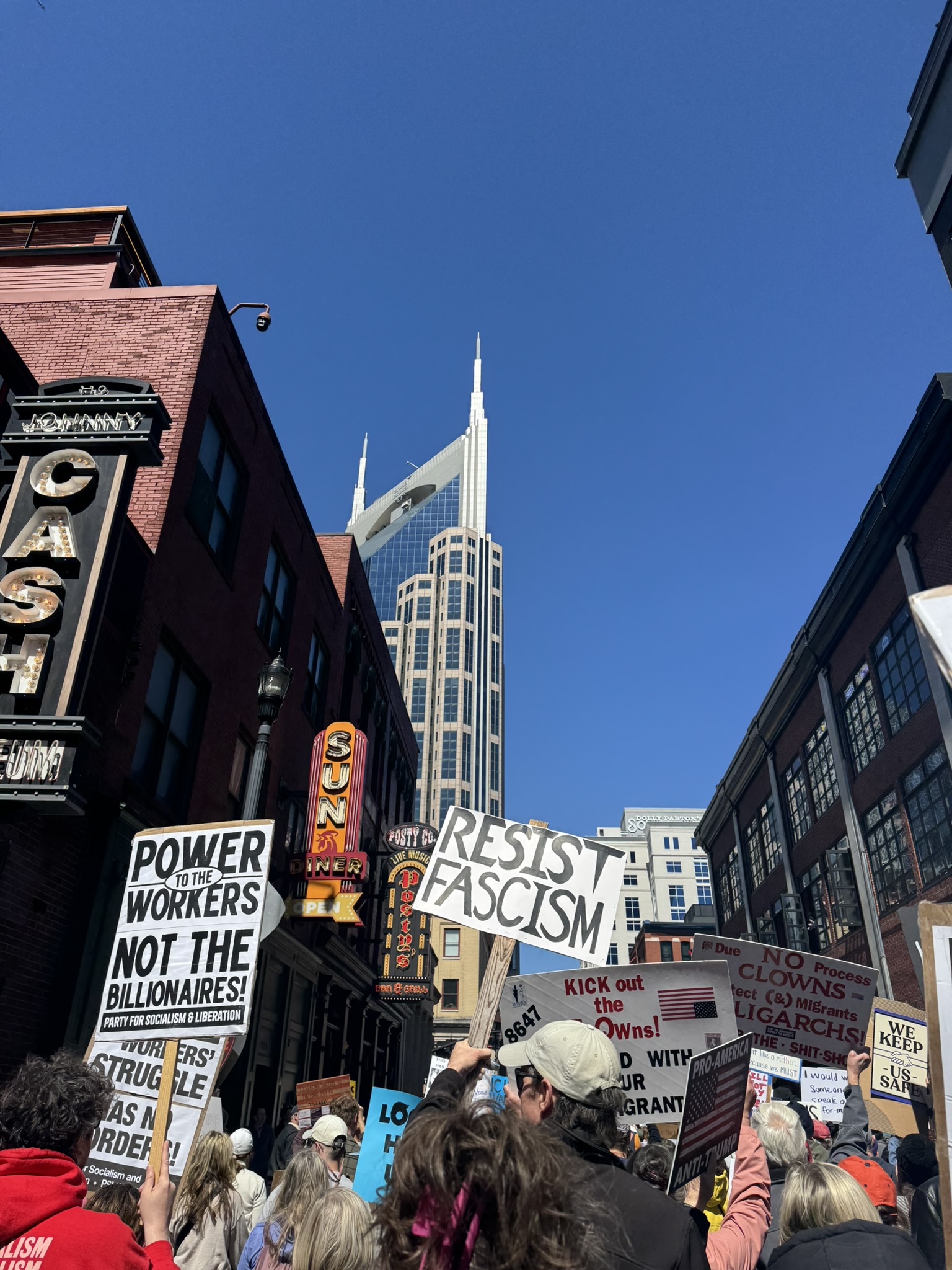
Media Diary
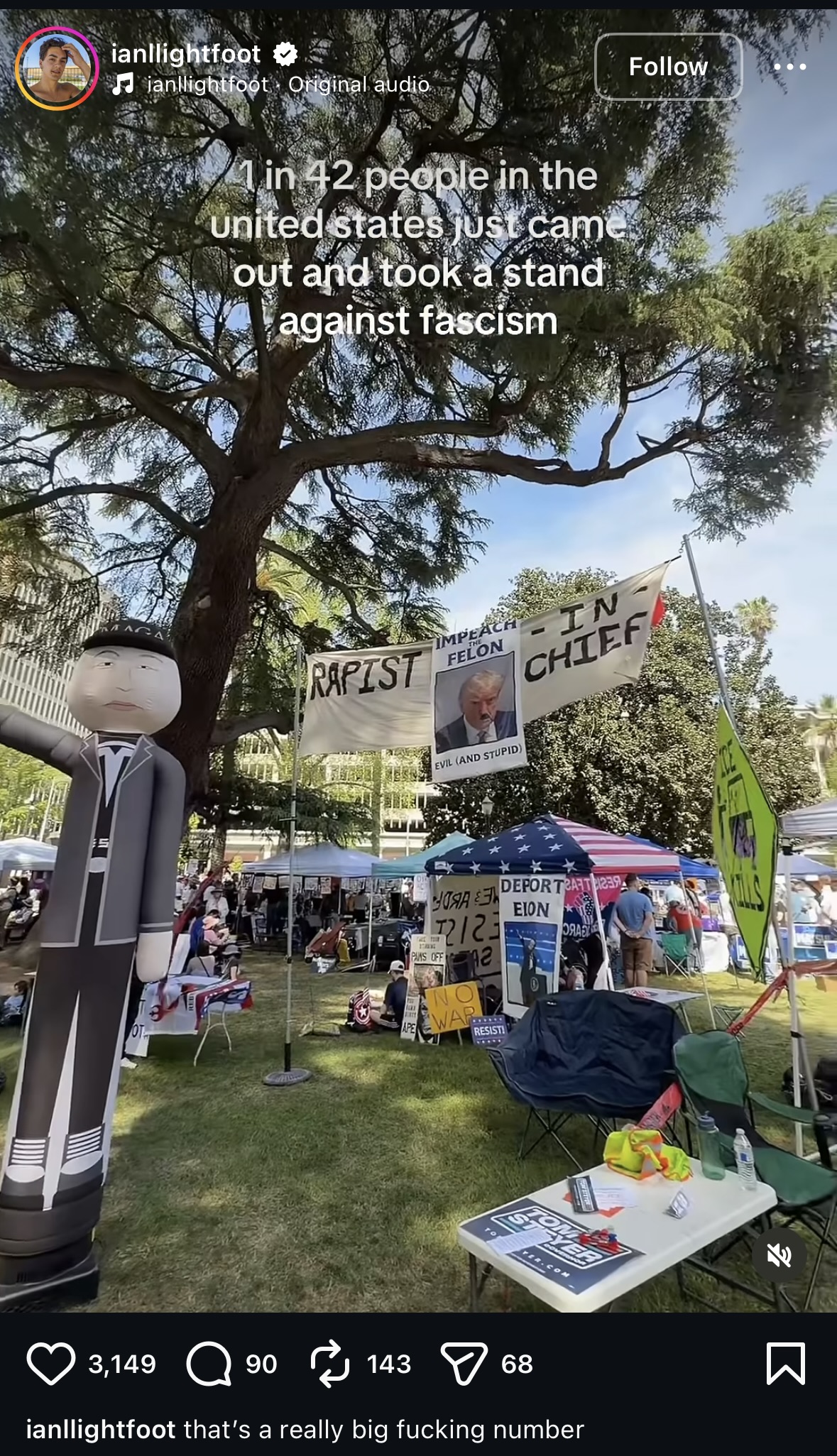
3:30 a.m. – Wake up to my alarm before work and immediately check my phone (bad habit). Scroll Instagram and see a post claiming “1 in 42 people showed up to the No Kings protest.” No source listed, just a reel. I mentally flag it but keep scrolling.
6:15 a.m. – Check Apple News and see a newsletter from CBS about nationwide protests. They claim millions showed up and over 3,300 cities took part in the action. Also check the weather app.
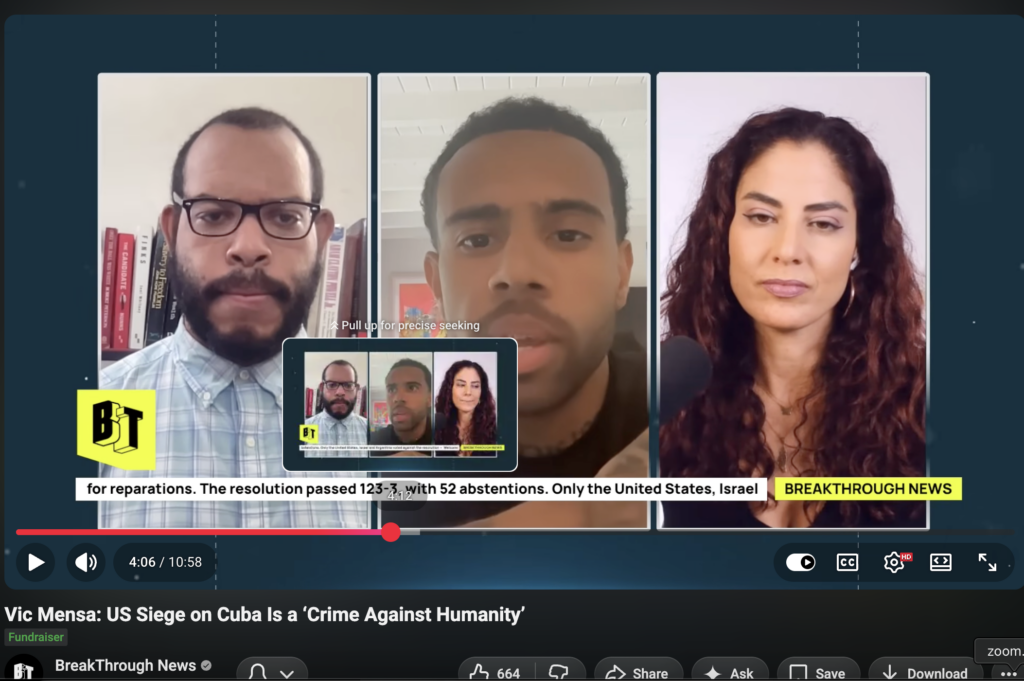
8:30 a.m. – Watched a BT News segment about the United State’s blockade against Cuba during my lunch break at work.
10:30 a.m. – Check NPR and see another story about No Kings, this time describing that there were over 3,000 actions nationwide.
1:00 p.m. – Watch a YouTube video about running tips for beginners. Mostly helpful, but it was prefaced with a sponsored ad pushing electrolyte products with vague claims about performance.
3:30 p.m. – Text thread with friends. Someone mentions the “1 in 42” statistic. No source attached.
5:00 p.m. – Watch TV (local news). Coverage of a recent protest, but no mention of the “1 in 42” claim I saw earlier.
7:00 p.m. – Back on Instagram. See more No Kings content in my feed—a healthy mix of local and national coverage.
8:00 p.m. – Scroll again before bed. Realize I’ve seen the same questionable claims repeated across multiple platforms all day.
Questionable Content + Analysis
The most obvious example of questionable content I saw was the claim that “1 in 42 people showed up to the No Kings protest.” It stood out because it sounded huge and specific, but there was no source attached. When I looked it up, I couldn’t find any credible reporting from outlets like Reuters or the Associated Press confirming that number. Most legitimate coverage talked about turnout in more general terms, which made me think the statistic was either exaggerated or taken out of context.
This connects directly to what we read about how misinformation spreads—especially the idea that people are more likely to share something if it sounds true or impressive. That “interesting if true” concept really applies here. A number like “1 in 42” feels precise, which makes it seem credible, even if it isn’t verified.
Another example was the supplement content I saw on Youtube. Videos promoting things like electrolyte powders with catchy names or flashy packaging made strong claims about energy and performance, but didn’t cite any actual studies. When I checked more reliable sources, like the NIH Office of Dietary Supplements, I found that while these supplements can have benefits, they’re much more limited than what influencers were claiming. The YouTube ads were clearly simplifying or exaggerating to sell a product.
I also noticed how often repetition plays a role. Different protest statistics showed up multiple times across different platforms. Even without verification, seeing some claims repeatedly made them feel more believable at first. That aligns with what we learned about how distraction and repetition can increase the likelihood of sharing misinformation without thinking critically.
Fact-Checking Process
To verify the protest claim, I:
- Searched the exact phrase in Google
- Checked major news outlets (Reuters, AP, NYT)
- Looked for original data sources
I couldn’t find any credible source backing the “1 in 42” number, which suggests it’s either misleading or completely unsupported.
For the supplement claims, I:
- Compared TikTok claims with NIH and health websites
- Looked for actual research-based explanations
The difference was pretty clear—real sources were way more cautious and specific, while social media content was vague and exaggerated.
Reflection
Honestly, I saw way more questionable content than I expected. What stood out wasn’t just the amount, but how normal it felt. None of it looked obviously fake—it was mostly things that seemed believable at a glance.
I also noticed that a lot of this content came from:
- social media (especially YouTube and Instagram)
- reposted graphics or stats without sources
- influencers or accounts trying to sell something
One pattern I kept seeing was that emotional or impressive claims spread the fastest. Whether it was a huge protest statistic or a supplement promising quick results, the content was designed to grab attention first and be accurate second.
I also realized I’m more likely to question certain types of content than others. For example, I immediately doubted the protest statistic, but I almost accepted the electrolyte powder claims without thinking as much. That’s definitely something I need to be more aware of.
Overall, this made me realize how easy it is to passively consume misinformation without even noticing. Even when I didn’t believe something, I didn’t always take the time to verify it. Moving forward, I think I’ll be more intentional about checking sources—especially when something sounds a little too perfect or too dramatic to be true.
Leave a Reply