We used to say “pics or it didn’t happen.”
That logic doesn’t really hold up anymore.
AI image editing tools (especially ones built directly into our phones) have changed what a photo actually means. Tools like Google’s Magic Eraser make it possible to remove people, objects, and entire parts of a scene in seconds, with almost no trace that anything was changed.
This post is for people like me – people who are online all the time, scrolling Instagram, TikTok, or X, seeing hundreds of images a day and not thinking twice about most of them. I’m not writing this for tech experts. I’m writing for people who know the internet can be fake, but still instinctively treat images like evidence.
For a lot of folks, our ability to detect misinformation is not what we think it is.
What Magic Eraser Actually Does
Magic Eraser is designed to “clean up” photos. You highlight something in the background such as a person, a trash can, a sign – and the tool removes it and fills in the space using AI.
It sounds harmless. And most of the time, it is.
But the important part isn’t why people use it. It’s what it allows.
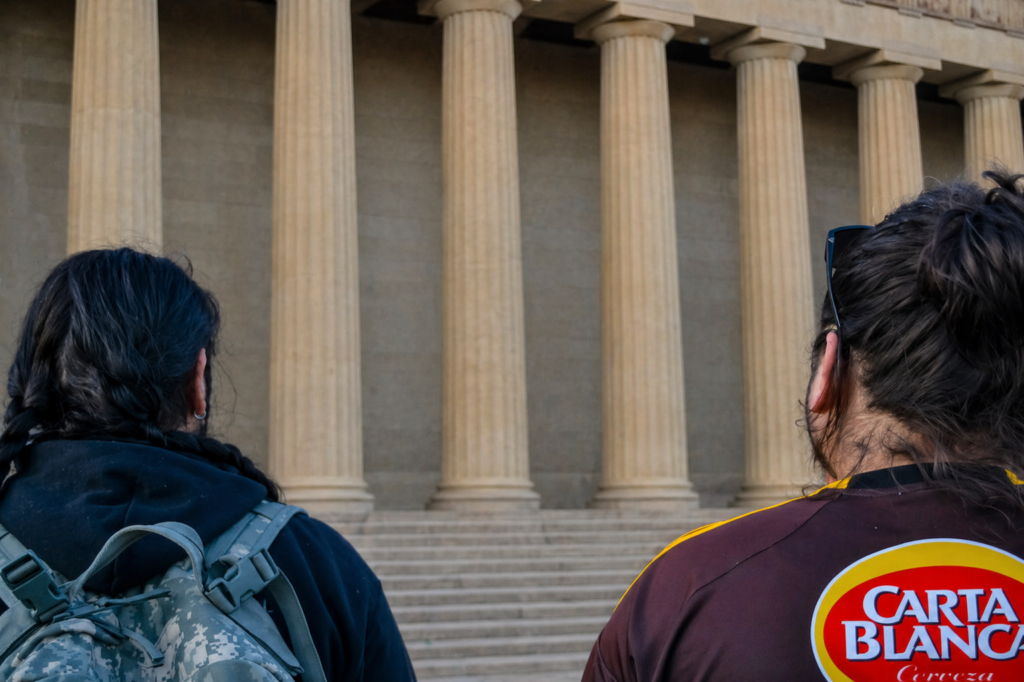
Figure 1: Subjects removed from the background using AI editing. The image still looks natural, but the reality of the moment has changed.
Once something is removed, the image still looks real. There’s no obvious glitch, no warning label, no sign that anything was altered. Since I created the original photo, it’s honestly disturbing how quickly the meaning behind an image can be changed.
This Isn’t Just “Editing” Anymore
We’ve always edited photos. Filters, cropping, lighting – none of that is new.
What’s different now is that editing can change the meaning of an image, not just how it looks.
Imagine a photo from a protest:
- Remove police → it looks peaceful
- Remove counterprotesters → it looks unified
- Remove damage → it looks calm and controlled
The image still comes from a real moment. But the story it tells is different.
That’s what makes this kind of misinformation harder to catch. It’s not always fake in an obvious way. It’s incomplete.
And incomplete information spreads just as easily as false information. In fact sometimes it spreads even more easily, because it feels believable.
Why This Matters (Even If You’re Not “Into Misinformation”)
Most people aren’t trying to mislead anyone. They’re editing vacation photos, deleting photobombers, cleaning up backgrounds.
But once a tool exists, it doesn’t stay in one context. Pandora’s box has been opened.
We already know that false information spreads fast online. Research from the Massachusetts Institute of Technology found that false news spreads faster and farther than true news on platforms like Twitter. That’s not because people are gullible or “dumb.” It’s because the content is often more emotionally engaging.
Now add visuals to that and images feel more trustworthy than text. If a misleading claim comes with a photo, people are more likely to believe it, share it, and move on without questioning it.
The more normal AI editing becomes, the less people question what they’re seeing. For instance, when I scroll through my instagram feed there is a section of AI content that comes up as an advertisement to use meta’s new AI content creation app. You can even see which of the people you follow use it. (shame them, boo!)
How This Gets Normalized
Part of the reason this shift matters is because of how these tools are being introduced. When companies like Google promote features like Magic Eraser, they frame them as fun, casual, everyday tools. Their 2023 Super Bowl ad literally showed people erasing awkward or unwanted moments from photos and moving on.
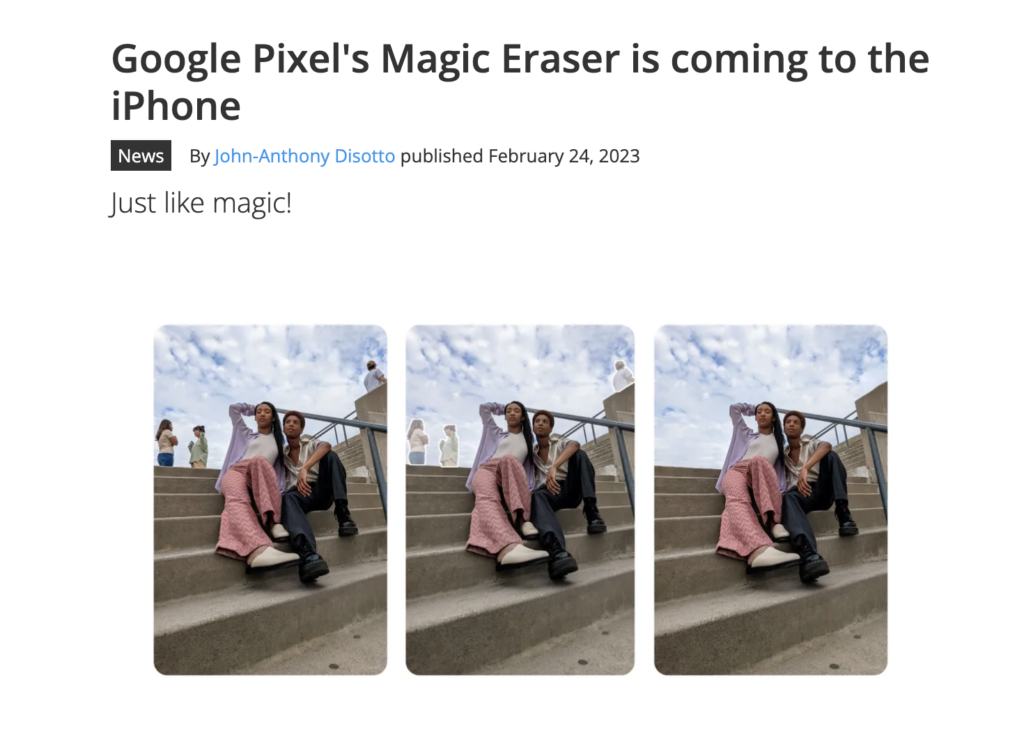
Figure 2: AI editing tools are marketed as normal, everyday features instead of something that could reshape how we interpret reality.
We Got This: How to Not Get Played by Edited Images
This isn’t about panicking or assuming everything is fake. That just creates more confusion.
The goal is about using dialectical thinking to find an in-between: skeptical calmness.
You don’t need to fact-check everything. But you do need to slow down.
Here’s a simple way to do that:
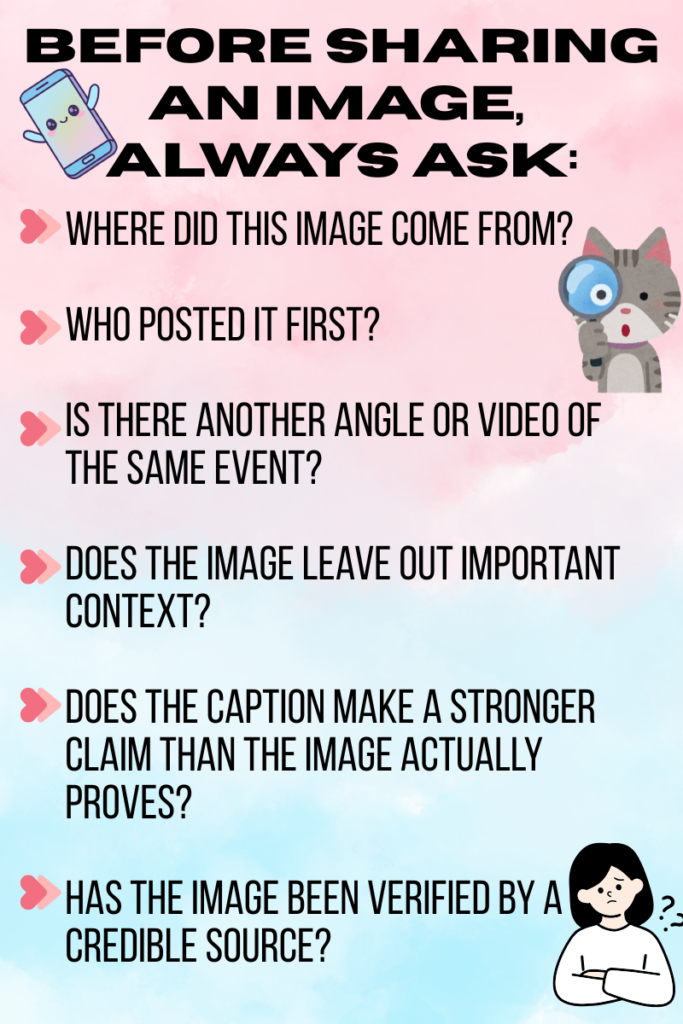
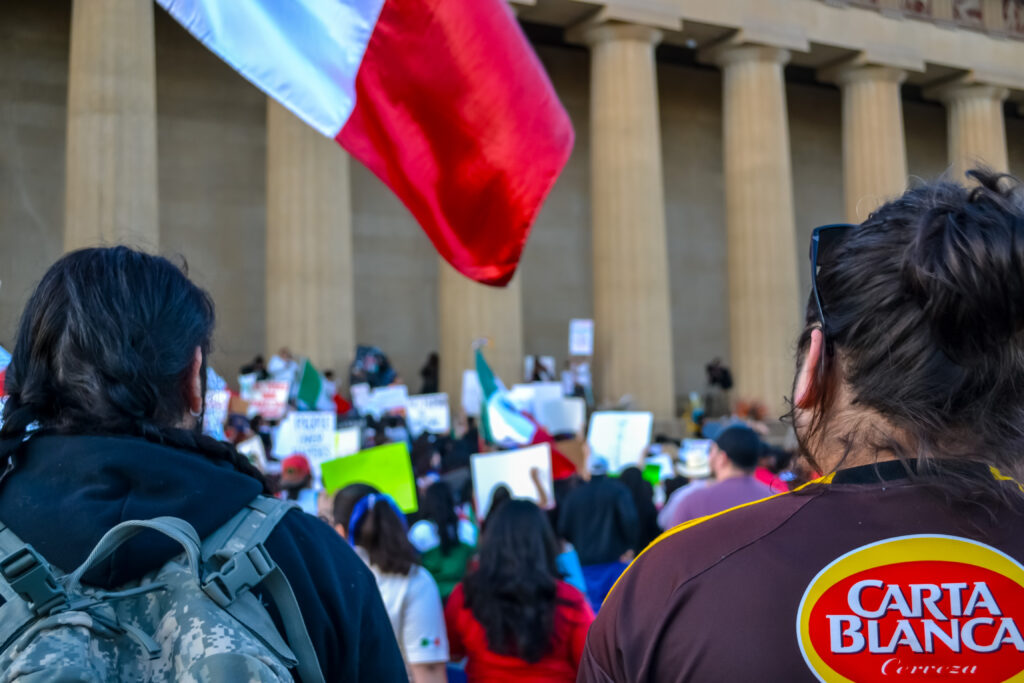
Figure 3: Cropping or removing context can completely change how an image is interpreted.
These questions don’t take long. But they interrupt the automatic reaction most platforms are designed to trigger.
The Bigger Picture: Tech Is Changing Faster Than Our Habits
There are efforts to make images more transparent. Organizations like the Content Authenticity Initiative are working on systems that show how an image was created or edited.
That helps. But it’s not a full solution.
Not every image will have credentials. Not every platform will display them clearly. And not every user will check.
Which means the responsibility doesn’t just sit with tech companies that don’t have an incentive to stop misinformation. It’s also on the people using the platforms.
So What Do We Do With That?
Images aren’t useless now. They still matter. They still document real things.
But they’re no longer automatic proof.
That’s the shift.
You don’t need to stop trusting everything. But you do need to stop trusting instantly.
When you see an image that confirms exactly what you already believe, pause.
When something feels shocking or perfectly framed, pause.
When a post makes you want to react immediately, pause.
Because in a media environment where reality can be edited in seconds, your attention is the thing being targeted.
Slowing down is how you take that back.
Leave a Reply