Social media platforms love to market themselves as digital “town squares,” but let’s be real: if the town square is run by billionaires, are we actually free to speak? After reading about how platforms like Facebook and Instagram are axing fact-checkers and sneakily adding political figures to people’s follows without consent, it’s hard not to feel like the rug is being pulled out from under us. This isn’t democracy, it’s a privatized simulation of one.
The BBC reported that Meta laid off dozens of fact-checkers just months after Trump’s accounts were reinstated. The New York Times even highlighted how some users were suddenly following him without ever clicking “Follow.” If that doesn’t scream manipulation, I don’t know what does. These changes make it clear that power isn’t in the hands of users. It’s centralized at the top, owned and controlled by the same wealthy few who benefit from keeping us divided and misinformed.
The Supreme Court once ruled that social media is part of the “modern public square” in Packingham v. North Carolina, but that idea becomes laughable when you realize that the square has velvet ropes, corporate bouncers, and constantly shifting rules. When platforms act as arbiters of truth (or choose not to), and when they selectively enforce rules based on profit or politics, what kind of “square” are we actually standing in?
The Free Speech Project’s section on “The New Public Square” explains how deeply flawed this setup is. Our most important conversations – about politics, justice, identity – are happening in spaces that can silence us without notice or recourse. It’s not just about censorship; it’s about ownership. Who owns the platforms where we connect? Who controls the code, the reach, the algorithm?
Monahan (2025) argues for platform portability, which I think is actually a solid start. If we had the ability to move our communities (comments, posts, mutuals) to new spaces that weren’t run by tech monopolies, we’d be less trapped. Right now, trying to leave Instagram or Twitter feels like social exile. Even “decentralized” platforms like Mastodon or Bluesky have their own flaws and learning curves, but they’re a step toward community-owned models.
For me, this stuff hits hard because I use these platforms to organize, learn, and build relationships. But I also know how fragile it all is. Posts get shadowbanned, accounts get deleted, and algorithms decide who sees your work. I’m more intentional now about saving my writing elsewhere (like on my personal blog), seeking out alternative platforms, and talking to people about media literacy in real life. I’m also constantly asking: is this platform working for us – or are we working for it?
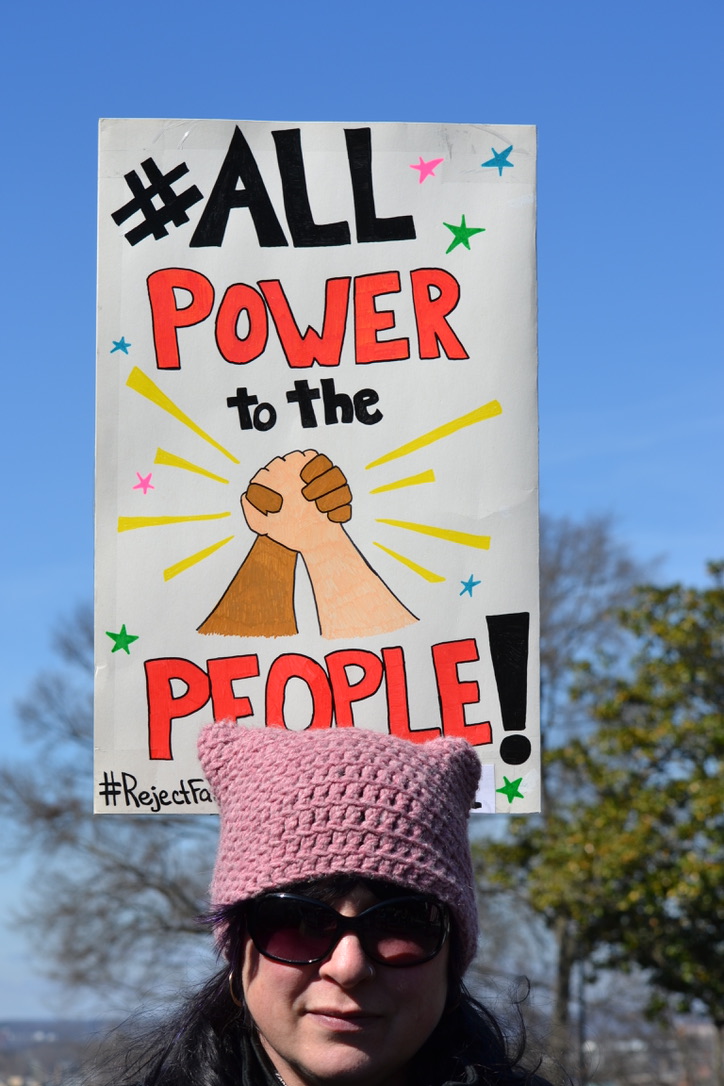
Another angle that’s important to me is how content creators are being affected. A lot of people I know (myself included) rely on these platforms for creative expression or freelance work, and yet we barely exist in policy or protections. As one Washington Post article points out, creators are part of a $250 billion industry, but are treated like disposable gig workers. That’s why when people talk about free speech online, we also have to talk about labor and exploitation. If the digital public square is built on our content and our attention, then we deserve more control over how it operates.We deserve a digital public square that’s actually public – not owned by the highest bidder. Until then, we have to keep naming the problem and building new spaces where our voices aren’t just allowed, but truly heard.
Leave a Reply