Disclaimer:
This post isn’t about Taylor Swift. I actually hate giving her, or any celebrity, more attention than they already have. What I’m writing about is power — how companies like Starbucks use sound, culture, and celebrity to control the atmosphere of our workplaces. Taylor Swift just happens to be the loudest example right now.
1. The Noise You Didn’t Choose
If you’ve ever worked a long shift at Starbucks, you know the soundscape before you even clock in. It’s not just the hiss of the espresso machine or the clatter of ice in the blender — it’s the playlist. The one that loops back to the same handful of “brand-approved” songs every hour, on repeat, like a caffeinated carousel.
When I first started working for Starbucks in 2019, I didn’t think much about it. Then I noticed that no matter how many playlists supposedly “rotated,” the same few artists always came back. It’s like the algorithm couldn’t resist hitting the same button over and over again.
After years of this, I’ve come to hate hearing Taylor Swift in particular — not even because of her personally, but because of what her presence represents in this environment. Her songs have become a kind of sonic wallpaper for control: upbeat enough to pacify customers, repetitive enough to keep us numb.
“Every time a playlist resets to the same few songs, it’s another subtle reminder that this isn’t our space — it’s theirs.”
Starbucks has created an audio environment that feels less like a workplace and more like a living commercial. It’s not designed for the workers behind the counter. It’s designed for the brand.
2. Starbucks, Spotify, and the Curated Soundscape
In 2015, Starbucks proudly announced its partnership with Spotify. The deal promised that baristas could “influence the in-store music experience.” On paper, it sounded empowering — a chance to shape the vibe of the store, maybe even share our own cultural tastes. But in practice, it’s just another illusion of choice.
The company curates playlists through a centralized system, selecting “brand-appropriate” songs that are pre-approved and pre-loaded into store devices. Workers can choose between playlists, but we can’t make or modify them. In other words, it’s the same old top-down control disguised as collaboration.
Starbucks even boasts on its official site that it “handpicks the artists and songs that are played around the world.” That one sentence says everything. This isn’t about taste or diversity — it’s about branding consistency. Every note, lyric, and tempo is curated to evoke the right mood: corporate calm.
So when corporate executives or PR teams claim that “partners can change the music anytime,” what they really mean is you can choose between preselected vibes. There’s no autonomy in that. It’s the same logic that governs every aspect of our labor — control the atmosphere, control the worker.
3. When “Taylor Time” Takes Over
If you’ve ever worked a shift during one of Starbucks’ celebrity tie-ins, you know exactly what Taylor Time feels like.
During the 2021 rollout of the Red (Taylor’s Version) campaign, Starbucks not only renamed drinks after Taylor Swift but flooded stores nationwide with her music. Later, the company debuted the now-infamous “Starbucks Lovers” playlist — 122 songs, all Swift, looping for hours on end. Some stores reported that it would automatically restart after finishing, trapping both workers and customers in an endless cycle of her voice.
Nobody asked us if we wanted that. And nobody seemed to care that listening to one artist for an entire shift can drive you to the edge.
What’s worse is that this repetition isn’t just annoying — it’s strategic. These playlists double as marketing tools, quietly boosting Spotify streams, sales, and social engagement. The baristas forced to hear them are part of that machine, unpaid and unheard. Our workplace becomes an extension of the platform economy, where every play and every customer encounter feeds data into someone else’s profit margin.
“It’s not just a playlist. It’s a marketing campaign you can’t turn off.”
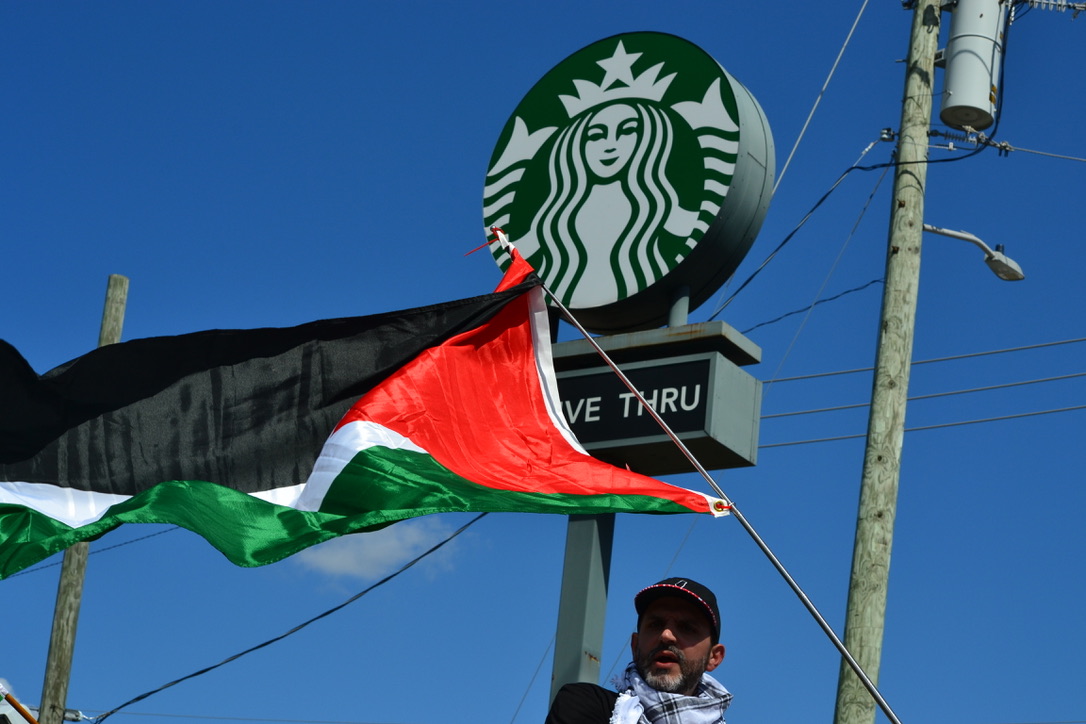
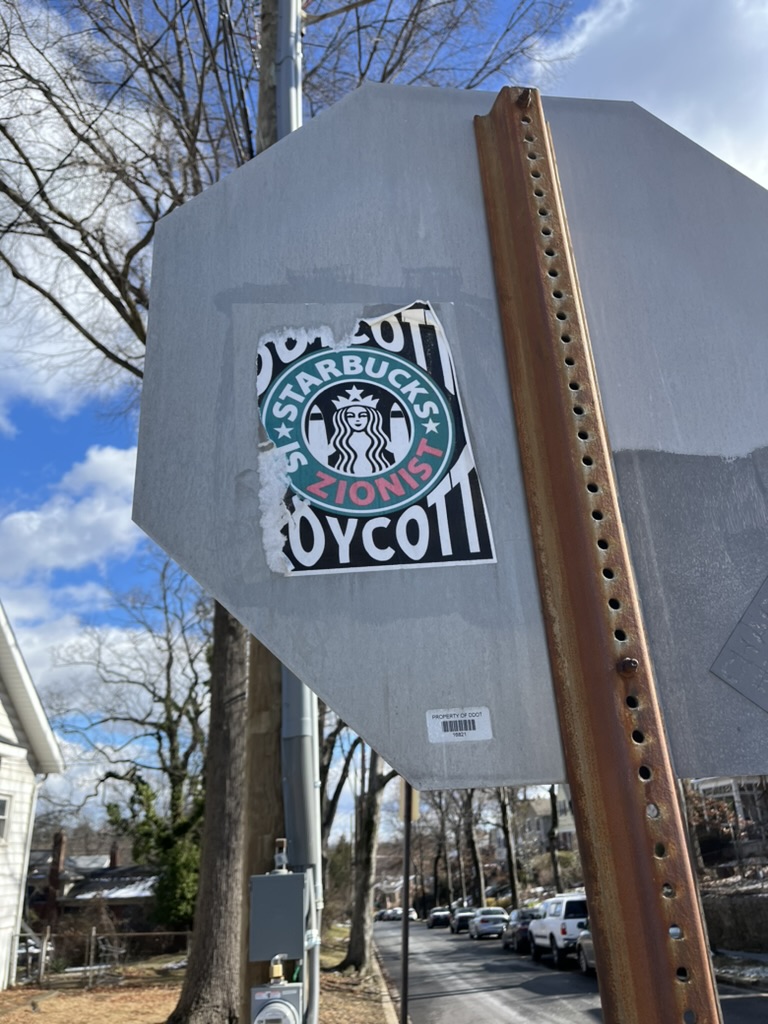
And when the company chooses to center one of the most powerful and politically silent celebrities in the world — someone who refuses to speak out about ongoing genocide — it doesn’t just feel tone-deaf. It feels cruel. To work in a store that sues its union over Palestine solidarity, while that same company blasts Taylor Swift’s music every hour, is to be surrounded by a carefully engineered silence — one that sounds a lot like oppression.
4. What It Does to the Body, Mind, and Spirit
Eight hours in a repetitive sound environment does something to you. You start to lose your sense of time. The songs blend together into a numbing hum. This is called auditory fatigue — the brain’s way of shutting down from overexposure to repetitive audio stimuli. It’s a psychological defense mechanism, but it comes at a cost: irritability, disorientation, and emotional dullness.
Service work already demands enormous emotional labor: the constant effort to appear cheerful, patient, and calm no matter what. When you add an imposed soundtrack that loops the same lyrics about heartbreak or empowerment ad nauseam, it creates a strange kind of emotional dissonance. You’re performing joy over music you can’t stand.
As The New Yorker put it in “When Music Is Violence,” sound can be a form of domination. It’s not always about volume — sometimes it’s about repetition, confinement, and the removal of choice. Starbucks’ playlists are perfectly polite weapons: they don’t hurt your ears, but they wear down your spirit.
And it’s not lost on us that the soundscape we’re trapped in is almost entirely white and sanitized. Starbucks rarely promotes Black or brown artists the way it promotes white pop icons. The musical diversity of the workforce — jazz, R&B, reggaeton, punk, hip-hop — gets replaced with the corporate comfort of predictability. The sound of culture gets replaced with the sound of control.
5. Workers as Amplifiers of Brand Power
Starbucks is a company obsessed with “brand consistency.” Everything from the way we label cups to the volume of the milk steamer is standardized. So of course, the music is too.
The store playlist is another layer of branding — a sonic uniform. Just like our green aprons, the music tells customers what kind of experience they’re supposed to have. But here’s the thing: uniforms are supposed to be worn by people, not played through them.
By forcing workers to exist within a corporate soundtrack, Starbucks effectively turns us into brand amplifiers. We become the human extension of a playlist designed to manipulate emotion and behavior. It’s advertising disguised as ambiance.
“We’re not just making lattes. We’re participating in a 5-hour marketing loop.”
There’s also a racial and cultural dimension to this. The artists who get corporate promotion are overwhelmingly white and safe. There’s no “Bad Bunny Blend” or “Beyoncé’s Brew” — no rotating playlist highlighting the cultures of the people actually working behind the counter. Starbucks markets itself as “inclusive,” but its soundscape tells a different story: one where whiteness and consumer comfort are the default.
When a company controls every inch of your environment — your body, your uniform, your voice, your ears — it’s not just a workplace. It’s an occupation.
6. What Change Might Look Like
What if the music wasn’t just another form of control? What if it actually reflected the people who make the store run?
Imagine if baristas had the ability to skip or ban songs. Imagine if playlists were built collaboratively by stores, featuring local or independent artists. Imagine if the company disclosed when a playlist was part of a promotional deal, and gave workers the option to opt out.
These ideas might sound small, but for people who spend eight hours a day in these spaces, they’re huge. Worker-led music governance could improve mental health, morale, and connection. It could even remind customers that the café atmosphere they enjoy is built on real human labor, not automated vibes.
Starbucks could easily make this happen — but that would mean ceding a tiny bit of control. And for corporations like this one, even silence feels dangerous if it isn’t scripted.
7. Reclaiming Silence, Reclaiming Sound
I started by saying I hate hearing Taylor Swift’s music. But what I really hate is the structure that forces me to.
Every hour, every shift, we’re surrounded by noise that isn’t ours — noise that keeps us compliant, cheerful, and distracted. The playlist is part of the architecture of control. It keeps workers quiet without ever saying a word.
But it doesn’t have to stay that way. We could reclaim sound in our workplaces. We could demand a say in what fills the air around us — or the right to silence altogether. We could make space for songs that actually reflect who we are, what we feel, and what we believe.
Because the truth is, the music playing in a Starbucks isn’t neutral. It’s chosen. It’s curated. It’s designed to keep a certain kind of world running.
And maybe the first step toward changing that world is simple:
to finally take the aux cord back.



Leave a Reply